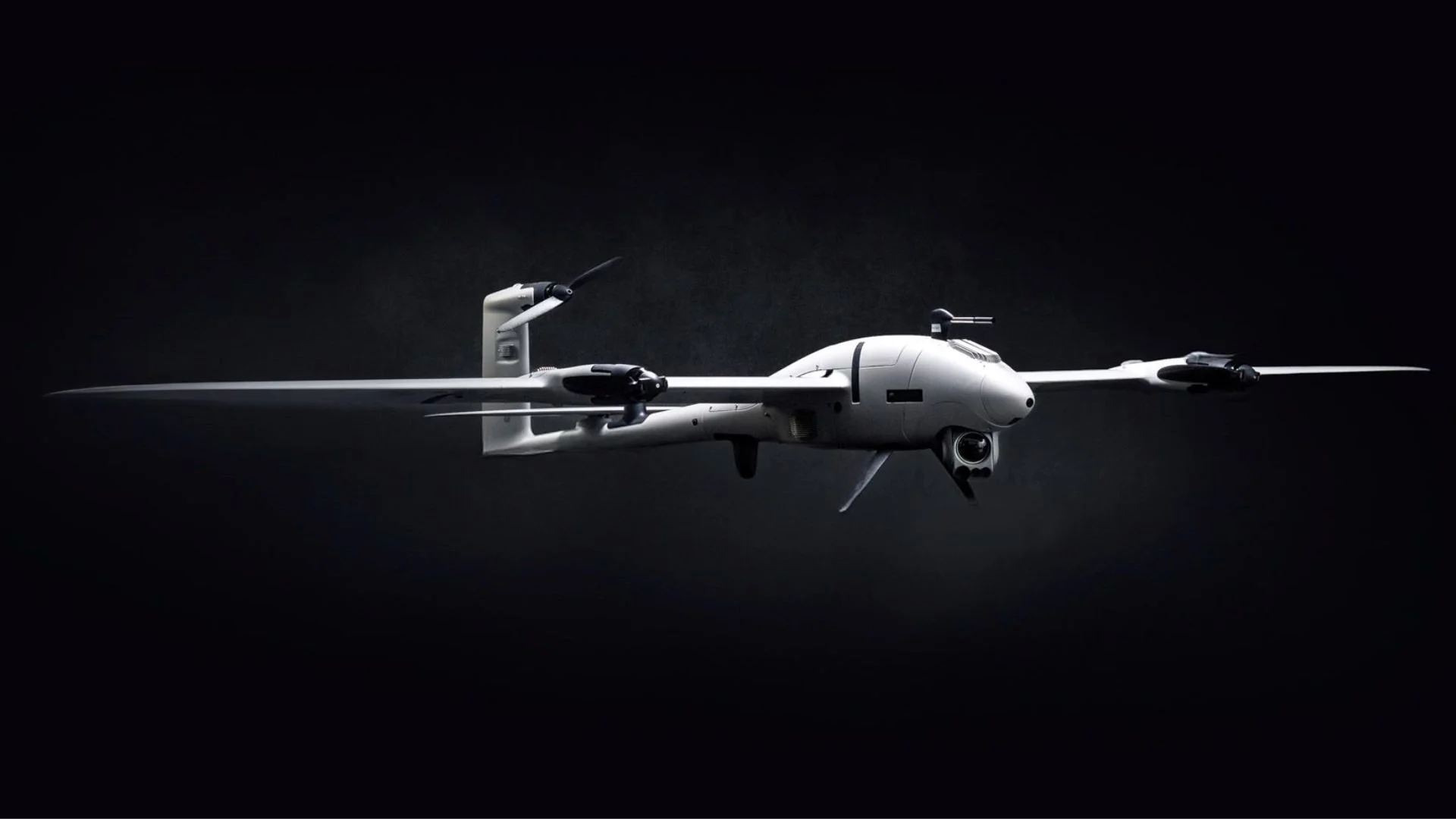
The US Army has selected the Vector AI drone developed by Quantum Systems to strengthen the brigade-level intelligence, surveillance, and reconnaissance (ISR) capabilities.
The move shows a clear effort to equip frontline units with faster, smarter, and more adaptable aerial systems.
The contract, valued at $15.3 million, falls under the company-level small unmanned aerial system (sUAS) Directed Requirement 2 initiative. This program focuses on rapidly fielding commercial drone solutions while also shaping the Army’s future Medium Range Reconnaissance plans.
The approach points to a shift toward proven commercial technologies rather than depending solely on traditional, long-cycle military development.
READ ALSO: SpaceX’s Secret Sky Plan Can Change Nights Forever; Scientists Alarmed
The Vector AI drone was selected following a competitive evaluation. Officials assessed multiple factors, including flight performance, payload flexibility, and the system’s integration with the Army’s evolving software networks.
The final selection signals a strengthening emphasis on drones capable of operating reliably in complex and contested environments.
Recent battlefield experiences have played a major role in shaping these requirements. Modern conflicts have shown that agile, networked drones are essential for real-time reconnaissance and precise targeting.
The Army is now prioritizing systems that are not only effective but also easy to deploy, difficult to disrupt, and capable of adjusting rapidly to changing conditions.
WATCH ALSO: US conducts powerful and deadly strike against ISIS terrorists in Northwest Nigeria
Quantum Systems CEO Dave Sharpin pointed out the drone’s operational background. He said the Vector platform has already logged more than 20,000 flight hours in Ukraine, where continuous use has improved its autonomy and mission flexibility.
He added that the system meets the Army’s demand for adaptable and resilient unmanned solutions designed for real-world military scenarios.
The Vector AI itself is a fixed-wing drone with electric vertical takeoff and landing (eVTOL) capability. This design allows it to operate without a runway, making it appropriate for frontline deployment in varied terrain. Despite its compact size, the drone offers strong endurance and range.
With a maximum takeoff weight of 9.5 kilograms (around 20 pounds), the system can stay airborne for up to 180 minutes. It also provides a command-and-control range of more than 60 kilometers, enabling extended surveillance missions without frequent repositioning.
READ ALSO: Liftoff to the Moon: Artemis II Launch Marks First Human Lunar Flyby in 50 Years
One of its key strengths rests in its onboard artificial intelligence. The drone can process data in real time, lessening the burden on operators and allowing faster decision-making.
It is also designed to work effectively in GPS-denied or electronically contested environments, which are increasingly common in modern warfare.
The platform’s modular architecture permits rapid integration of different payloads. This flexibility guarantees that units can adapt the drone for various missions, from surveillance to target tracking.
It also supports interoperability with systems like the Tactical Assault Kit, helping soldiers detect, monitor, and respond to threats while maintaining situational awareness.
Overall, the selection of Vector AI demonstrates a broader transformation in how the Army approaches battlefield technology. The focus is shifting toward systems that are fast to deploy, easy to upgrade, and proven under real operating conditions.