Scientists are testing a new way to keep astronaut clothing and living spaces clean during future missions to the Moon and Mars.
The method uses plasma jets instead of water to kill harmful microbes on fabrics and other soft materials. Early laboratory results show that the technology can effectively remove bacteria while using very few resources, making it a promising option for long-duration space exploration.
Space Laundry Alternative
Laundry is a routine task on Earth, but it becomes much more difficult in space. Water is one of the most valuable resources on spacecraft and planetary habitats. Traditional washing machines require large amounts of water, making them impractical for missions to the Moon or Mars.
Currently, astronauts aboard the International Space Station do not wash their clothes. They wear garments repeatedly until they become too dirty and then dispose of them. The discarded items eventually burn up in Earth’s atmosphere when cargo vehicles reenter the planet.
However, dirty fabrics are not just a comfort issue. Clothing, bedding, furniture, and other soft materials can collect microbes that humans naturally shed every day. Over time, these microbes can spread throughout a spacecraft, creating hygiene concerns.
READ ALSO: Independent Inquiry Takes Aim at Australia’s $368 Billion Aukus Submarine Deal
Why Microbes Matter in Space
Studies have shown that microbial communities exist throughout the International Space Station. Scientists have found bacteria on surfaces such as handrails, vents, and workstations, even when those areas appear clean. Some microbes have also demonstrated an ability to survive and adapt to the unusual conditions of space.
Most of these microorganisms are harmless and are part of the normal human environment. However, some bacteria can increase health risks if they spread unchecked in closed habitats. Certain microbes can also damage equipment by contributing to corrosion on metal surfaces.
Future missions to the Moon and Mars will face additional challenges. Unlike the ISS, these missions will not have regular supply deliveries from Earth. Astronauts will need sustainable systems that allow them to reuse resources and maintain healthy living conditions for months or even years.
Researchers say soft furnishings will become increasingly important during long missions. Future habitats may include beds, chairs, couches, and other items designed to improve comfort. These materials can also become places where microbes accumulate if not cleaned properly.
Common Earth disinfectants are not always suitable for spacecraft. Chemical sprays can release fumes that can become trapped in enclosed habitats. Airborne particles from cleaning products may also affect crew health in confined environments.
READ ALSO: Air Force and DARPA Partner to Speed Up Cyber Defense Innovation
How the Plasma Cleaning System Works
The new study was led by researchers from the University of Alabama and NASA. The team investigated whether plasma could provide a safer and more efficient way to disinfect fabrics in space. Plasma is often described as an energized gas and is sometimes compared to a controlled form of lightning.
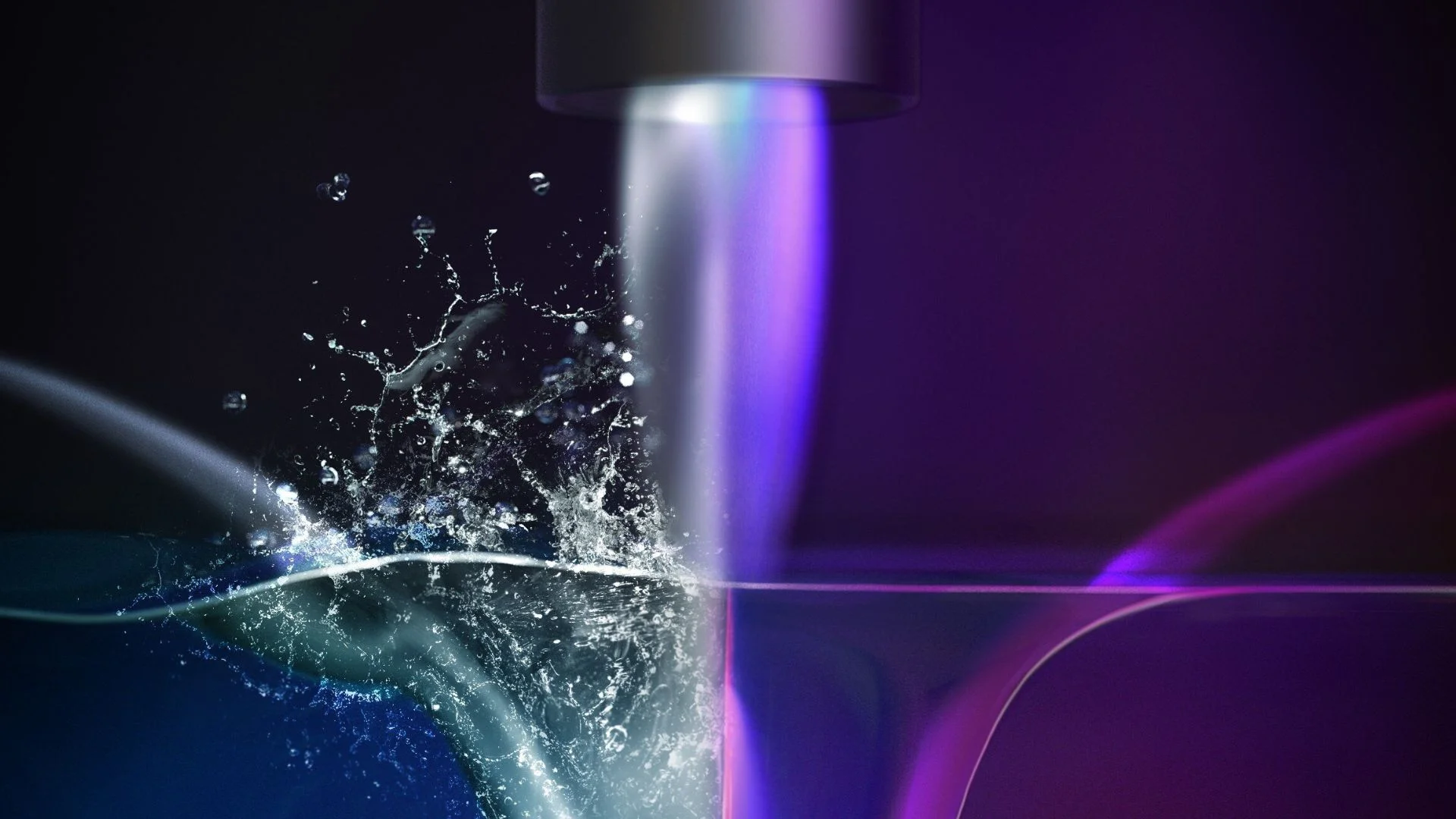
To test the idea, researchers cut pieces from a standard cotton T-shirt. They then introduced Staphylococcus caprae, a bacterium commonly found on human skin and previously detected aboard the International Space Station. The fabric samples were exposed to a narrow purple plasma jet generated by a small device roughly the size of a smartphone.
The results were encouraging. The plasma treatment eliminated bacteria more effectively than some cleaning methods currently used aboard the ISS, including dry vacuuming and chemical wipes. The process focused on destroying harmful microbes rather than removing visible stains.
Scientists explained that the plasma creates highly reactive oxygen and nitrogen particles. These particles penetrate fabric fibers and damage bacterial cell membranes. The process kills microbes through oxidative stress, preventing them from surviving on the material.
Researchers tested exposure times ranging from 30 seconds to five minutes. During those trials, they observed no significant damage to the cotton fabric. The team believes the treatment causes no more wear than normal everyday use.
WATCH ALSO: US Air Force’s Sentinel missile brings improved range, accuracy, resiliency and flexibility
One of the biggest advantages is efficiency. The system requires electricity and a working gas but does not need large amounts of water. This makes it especially attractive for space missions where resources must be carefully managed.
The research team plans to expand testing to other microorganisms commonly found in human habitats and spacecraft environments. Scientists want to better understand how the technology performs against a wider range of bacteria and other microbes. Additional studies will also help determine how the system could operate in real space conditions.
Researchers ultimately hope to develop a portable handheld device for astronauts. Such a tool could become part of routine housekeeping aboard spacecraft, lunar bases, and future Martian habitats.