Researchers have unveiled a new method to generate electricity from ordinary soil by harnessing the natural activity of microbes living in it. The approach can provide a steady, battery-free power source for small devices such as environmental sensors.
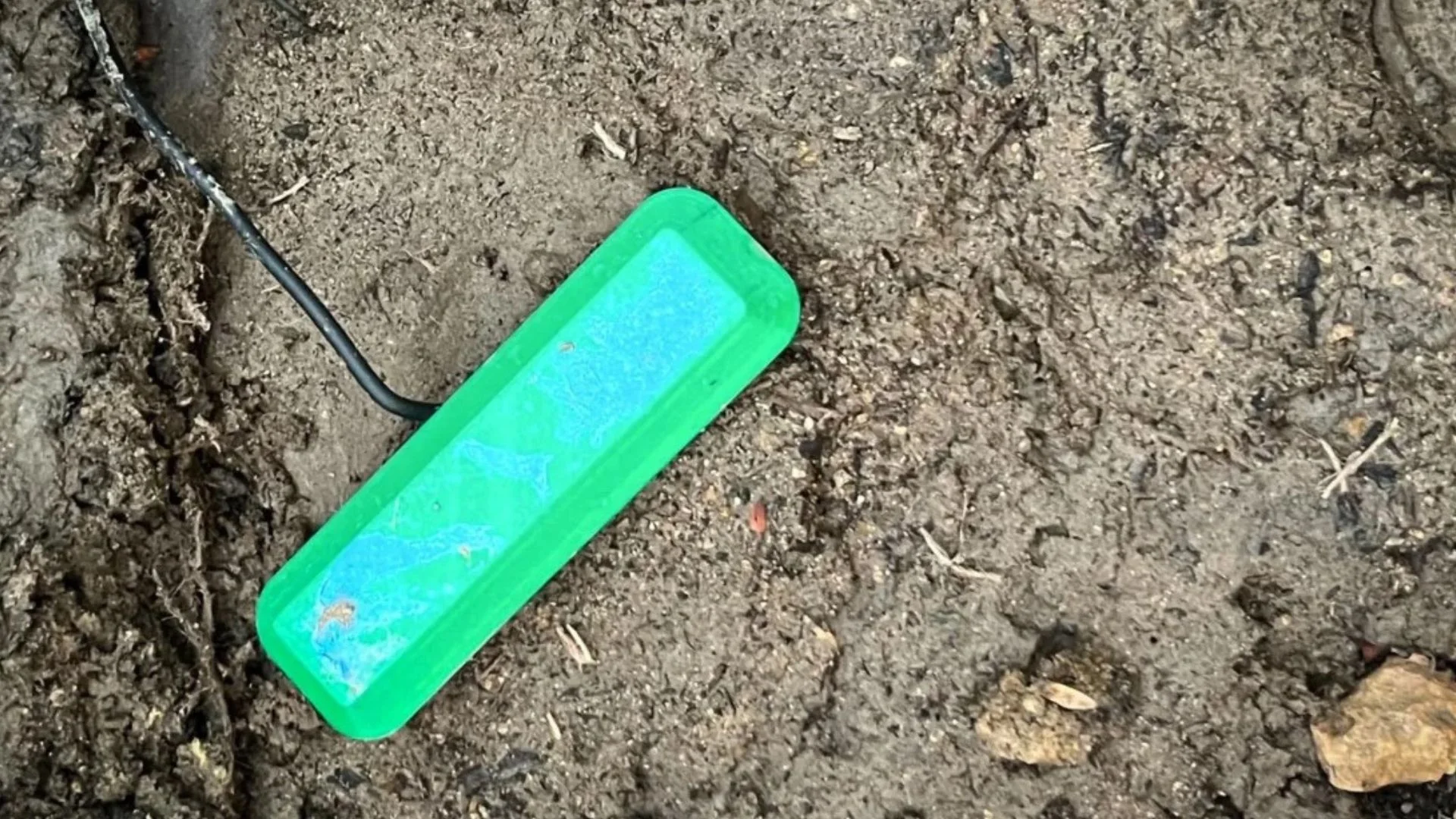
The work was led by scientists at Northwestern University. Their device, about the size of a paperback book, captures energy released when microbes break down organic material in soil. This process creates a small but continuous flow of electricity.
Instead of depending on traditional batteries or solar panels, the system draws energy directly from the ground. This makes it especially useful for sensors buried underground or placed in remote areas.
Researchers say the technology could help support the growing network of connected devices known as the Internet of Things. These devices are used in farming, environmental monitoring, and many other fields. But powering them has always been a challenge.
READ ALSO: Scientists Find Magnet-Free Way to Control Electrons Through Atomic Twists
“The number of devices in the Internet of Things is constantly growing,” said Bill Yen, who led the study. “If we imagine a future with trillions of these devices, we cannot build every one of them using lithium and toxic materials. We need cleaner alternatives.”
Yen explained that soil microbial fuel cells offer one such solution. These systems use bacteria that naturally release electrons as they break down organic matter. When captured, those electrons can create an electric current.
The research was published in the journal Proceedings of the Association for Computing Machinery on Interactive, Mobile, Wearable and Ubiquitous Technologies, part of the Association for Computing Machinery. The team also shared their designs and tools publicly so others can build on their work.
To test the device, the researchers used it to power sensors that measure soil moisture. They also demonstrated a touch sensor that can detect movement. This feature could help track animals as they walk through fields or natural habitats.
WATCH ALSO: United Launch Alliance launches launches third batch of Amazon’s Project Kuiper satellites
The system includes a small antenna that sends data wirelessly. Instead of generating its own signal, it reflects existing radio frequency signals. This method keeps energy use extremely low, allowing the device to operate with minimal power.
One of the most impressive features of the system is its reliability. It worked in both dry and wet conditions, including flooded environments. In tests, it produced steady power and lasted about 120 percent longer than similar systems.
George Wells, a senior author of the study, highlighted the simplicity of the approach. “These microbes already live in soil everywhere,” he said. “We can use simple engineered systems to capture their electricity and power useful devices.”
However, the team is clear about the technology’s limits. It is not meant to replace large power sources or run cities. Instead, it focuses on small, low-energy applications where traditional power options are impractical.
Precision agriculture is one area where this system could make a big difference. Farmers rely on networks of sensors to monitor soil conditions, including moisture, nutrients, and contaminants. These sensors help improve crop yields and reduce waste.
But powering those sensors is not easy. Batteries run out and need replacement, which is difficult across large farms. Solar panels also have drawbacks, especially in dirty or shaded environments.
READ ALSO: IIT Gandhinagar Simplifies Flexible Robot Control with Low Computation
“If you place a sensor in a farm or wetland, you are usually limited to batteries or solar power,” Yen said.“Solar panels get dirty and stop working when there’s no sunlight. Batteries run out, and replacing them across large areas is not practical.”
The new soil-powered system avoids these problems by turning the environment itself into an energy source. As long as there is organic material in the soil, the microbes can keep producing electricity.
Microbial fuel cells are not a new idea. Scientists have studied them since 1911. But earlier versions struggled to deliver stable and reliable power, especially in dry conditions.
One major challenge is balancing moisture and oxygen. Microbes need moisture to survive, while the system also requires oxygen to function. Maintaining both conditions underground has proven difficult.
To solve this, the Northwestern team redesigned the fuel cell’s structure. Instead of placing its components side by side, they arranged them in a vertical and horizontal layout.
The anode, made from carbon felt, is placed horizontally beneath the soil. This material captures electrons released by the microbes. The cathode, made of conductive metal, extends vertically toward the surface.
This design allows the device’s top part to access oxygen from the air. At the same time, the lower section stays in moist soil, supporting microbial activity. A protective cap keeps debris out while allowing airflow.
WATCH ALSO: An unmanned boat has completed a long 1,100-nautical-mile voyage
The new structure also improves performance during flooding. A waterproof coating protects the cathode, while the vertical design helps it dry slowly after water levels drop. This ensures the system continues working even in changing conditions.
The researchers spent two years refining the design. They tested four different versions and collected data over nine months before choosing the final prototype. Outdoor tests confirmed its durability and efficiency.
The results were strong. The device worked in soil with moderate moisture levels and in fully submerged conditions. On average, it produced 68 times more power than needed to run its sensors.
These findings suggest the technology is ready for real-world use. It could be deployed on farms, in forests, in wetlands, and in other environments where traditional power sources are difficult to maintain.
The project received support from several organizations, including the National Science Foundation and the USDA National Institute of Food and Agriculture. Additional funding came from the Alfred P. Sloan Foundation, VMware Research, and 3M.
Looking ahead, the team is working to make the system even more sustainable. They are exploring biodegradable materials to further reduce environmental impact. The goal is to create devices that can safely break down after use.
Josiah Hester, a co-author of the study, emphasized the importance of local materials. “We want to build devices using simple and accessible resources,” he said. “This approach can make technology more affordable and widely available.”
READ ALSO: White House Drives Pentagon Toward 2031 Space Nuclear Power Demo
The COVID-19 pandemic showed how fragile global supply chains can be. By using common materials, the researchers hope to avoid these challenges and make the technology more resilient.
While the power output remains small, its potential impact is significant. Millions of low-energy devices could run without batteries, reducing electronic waste and environmental harm.
In a world increasingly filled with smart technology, even tiny sources of energy can make a big difference. And in this case, that energy comes from something as ordinary as the soil beneath our feet.