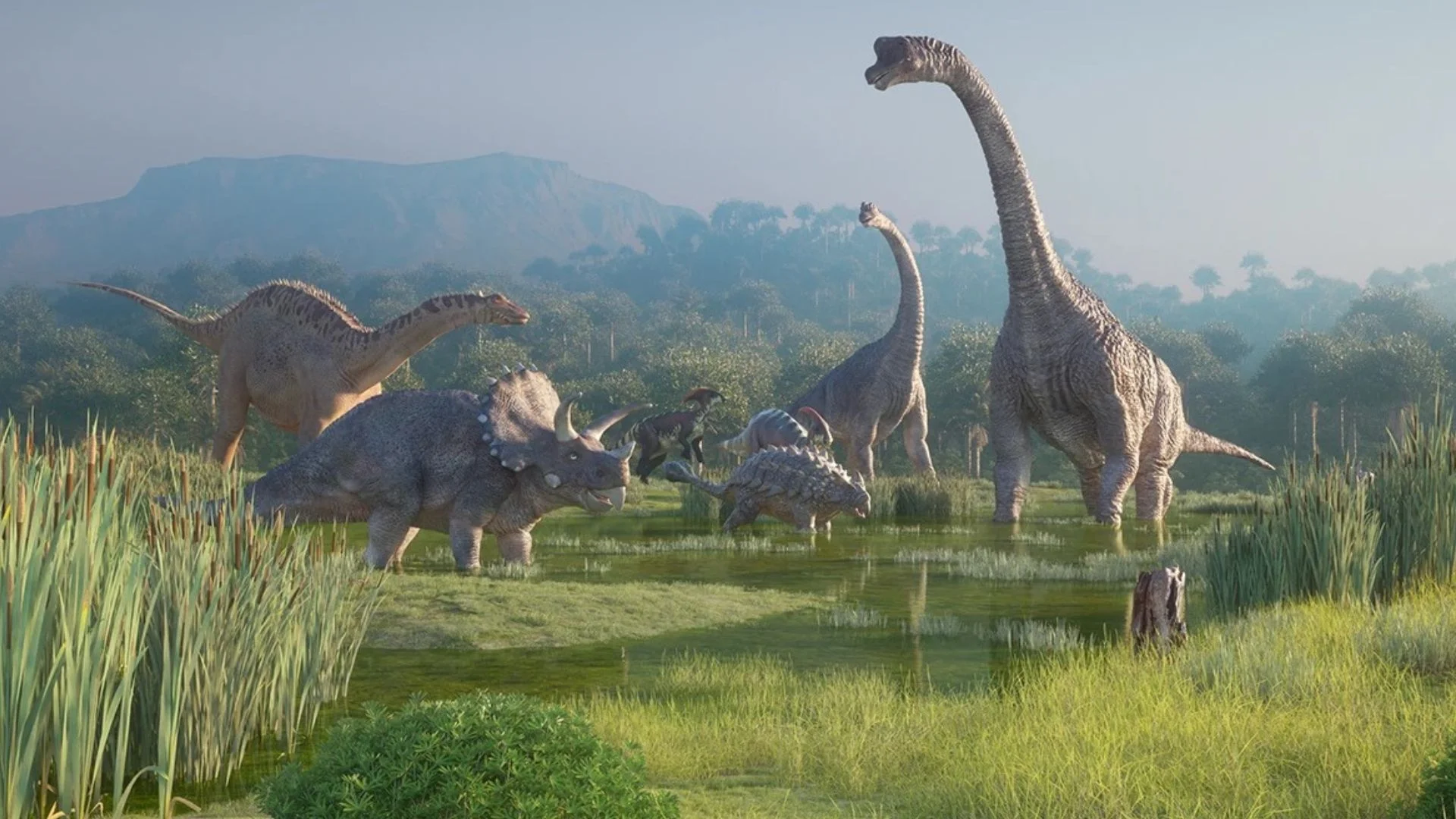
A new study suggests that young Maiasaura dinosaurs were fed softer, nutrient-rich food by their parents, much as modern birds do.
Researchers found clear differences in the dental wear patterns of juvenile and adult dinosaurs, suggesting separate diets during early growth stages.
The findings add fresh evidence that complex parental care behaviors may have existed among dinosaurs millions of years before birds evolved.
It comes from research on Maiasaura peeblesorum, a plant-eating dinosaur that lived around 75 to 80 million years ago during the Late Cretaceous period.
Maiasaura fossils were first discovered in Montana, US. The species is known for its large nesting grounds and herd-based lifestyle. Paleontologists have long considered Maiasaura among the strongest examples of social behavior among dinosaurs.
READ ALSO: US Strikes Iran Near Hormuz After Navy Attack on Warships Despite Active Ceasefire
The new research focused on microscopic wear patterns found on fossilized teeth. Scientists compared the teeth of juvenile dinosaurs with those of adults. They found that younger dinosaurs had more crushing wear, while adults showed more shearing wear linked to tougher plant material.
Researchers say these wear patterns point to major differences in diet. Juvenile Maiasaura likely ate softer foods that were easier to digest and richer in nutrients. Adult dinosaurs, in contrast, appeared to consume tougher and more fibrous plants.
Maiasaura Dinosaur Teeth Reveal Feeding Patterns
The study was led by John Hunter, an associate professor of evolution, ecology, and organismal biology at Ohio State University.
According to Hunter, the findings closely match feeding behaviors seen in modern birds. Many bird species bring softer or partially digested food to chicks that remain in nests after hatching.
Scientists believe the young dinosaurs may have eaten fruits, tender leaves, or other low-fiber plant material. These foods contain more nutrients and are easier for growing animals to process. Adults likely consumed harder vegetation that required more chewing and grinding.
Researchers compared dental wear patterns with those of modern mammals to better understand diets. Grazing animals such as cows, horses, and antelopes show shearing wear from eating fibrous plants. Animals that eat softer vegetation, such as tapirs, display wear patterns more similar to those of the juvenile dinosaurs.
The findings also support earlier evidence that Maiasaura hatchlings depended heavily on adults after birth. Previous fossil discoveries showed nests filled with baby dinosaurs that were too small to leave immediately. Their weak limbs suggested they remained in nests while parents cared for them.
This new evidence strengthens the idea that some dinosaurs developed complex family structures. Scientists say such behaviors may have played an important role in survival and growth. Young dinosaurs receiving nutrient-rich food may have grown faster during their early months of life.
WATCH ALSO: American company’s next-generation ejection seat offers a 92% survivability rate
Ancient Parenting Behaviors May Pre-Date Birds
Researchers noted that the behavior may not have involved direct feeding of separate foods alone. Adult dinosaurs may have partially regurgitated food before feeding their young. This behavior is also common among many modern bird species today.
Another possible explanation is that juvenile dinosaurs searched for softer foods on their own. Some modern reptiles, including herbivorous lizards, display similar feeding habits. However, scientists believe this explanation is less likely because Maiasaura hatchlings were probably too dependent on adults during their earliest stages.
The study offers fresh insight into the evolution of parenting behavior in animals. Birds are direct descendants of certain dinosaur groups, and many scientists believe that some social behaviors evolved long before birds. The research suggests that caregiving instincts may have ancient origins deep within dinosaur history.
Maiasaura itself has long been important to paleontology research. Its name means good mother lizard, reflecting earlier discoveries linked to nesting and family care. Fossil evidence from nesting colonies showed that adults repeatedly returned to nesting sites and raised offspring in groups.
Why the Discovery Matters
The study was recently published in the journal Paleogeography, Paleoclimatology, Palaeoecology.
Researchers say the findings help scientists better understand how dinosaurs lived, grew, and interacted socially. Studying feeding behavior also helps explain how some species survived changing prehistoric environments.
Understanding dinosaur growth patterns can also improve research into animal evolution. Fast early growth may have helped young dinosaurs avoid predators and adapt more quickly to their surroundings. Scientists believe nutrition likely played a major role in that process.
The fossil record from the Late Cretaceous period remains incomplete in many areas. Researchers often combine fossil evidence with observations from modern animals to build better explanations of ancient life. Comparisons with birds and reptiles help fill gaps left by millions of years of lost history.
READ ALSO: Pentagon UFO Files Released: Hovering Objects, Flashing Lights, and Unanswered Questions
Scientists now hope to examine fossils from even younger dinosaurs, including hatchlings and embryos. Dental microwear studies may reveal whether similar feeding patterns existed in other dinosaur species. Future discoveries may further reshape understanding of how complex dinosaur societies truly were.
The latest findings add another layer to the growing evidence that dinosaurs were not simply giant reptiles with basic survival instincts. Some species may have formed strong family bonds and invested heavily in raising their young.
As more fossils are studied, researchers expect to uncover even deeper connections between dinosaurs and the animals living on Earth today.