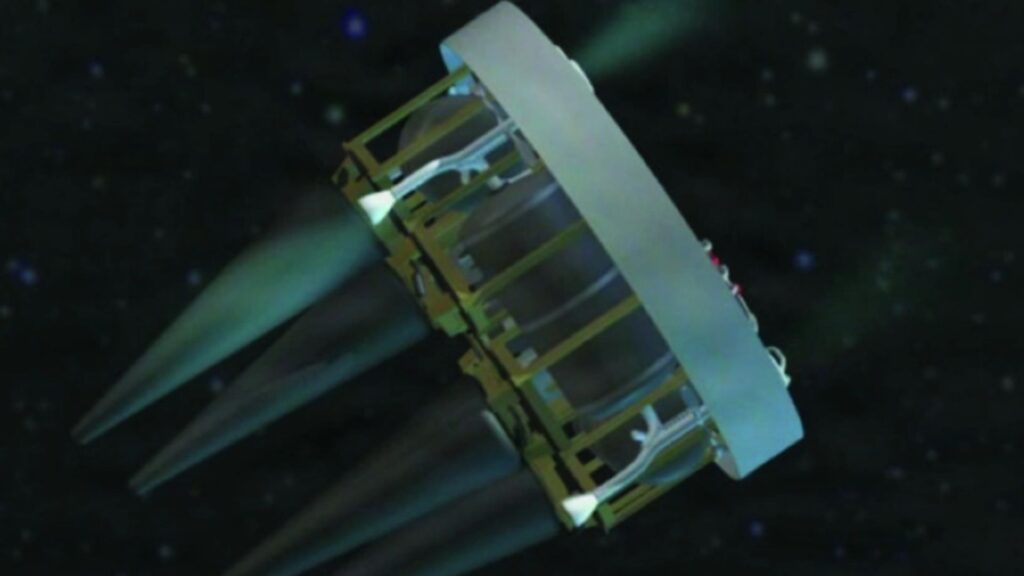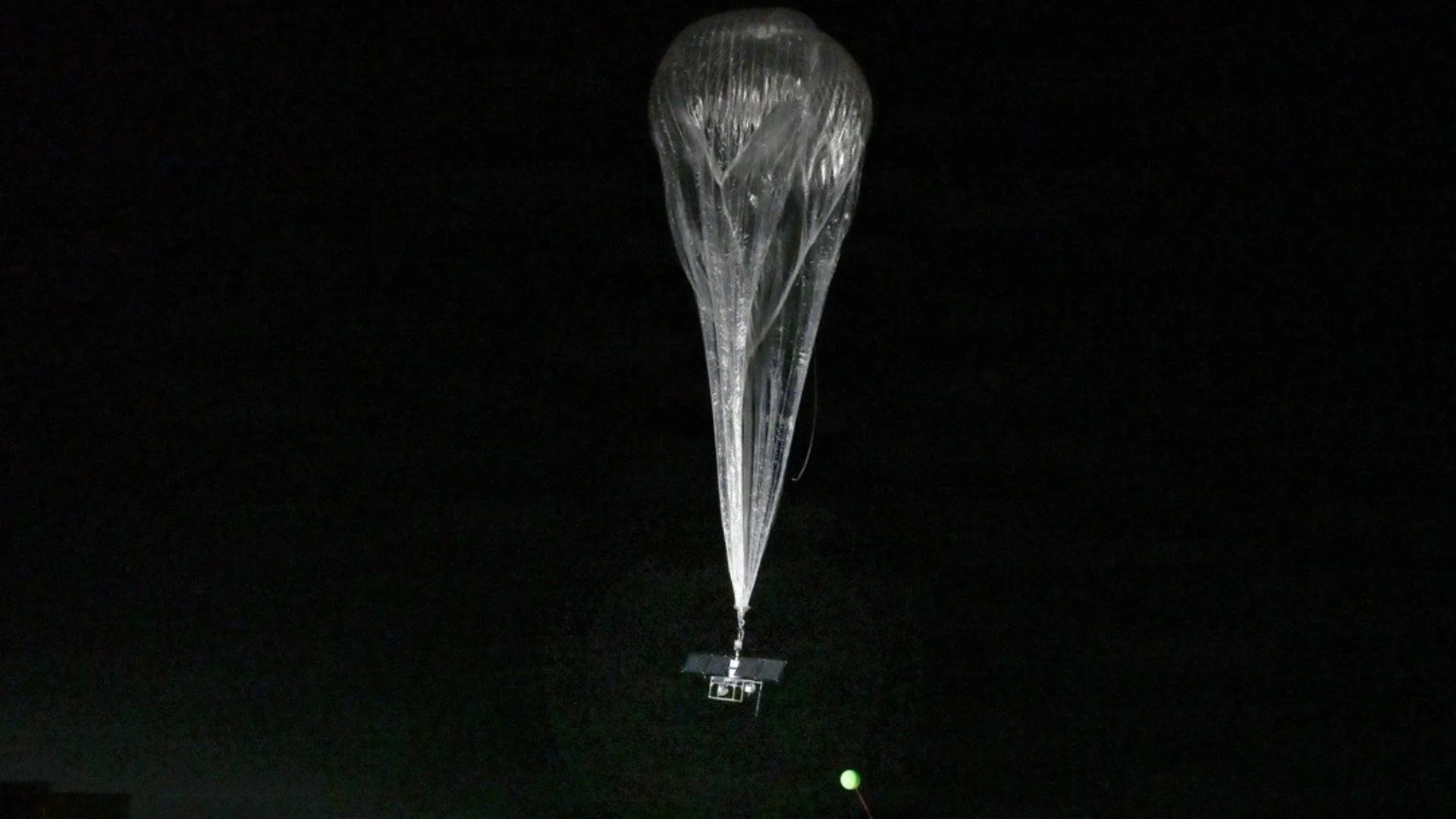
The US Army will soon launch a high-altitude surveillance balloons over Northern Europe as part of a new military test in the Baltic region.
The mission is designed to study how affordable airborne systems can support reconnaissance and regional security operations. Army officials say the operation will involve close coordination with NATO allies on Europe’s eastern flank.
The balloon will be launched from Sweden by soldiers from Multi-Domain Command-Europe, which is based in Wiesbaden, Germany. The flight is expected to last about 30 hours before ending in Latvia. Army officials said the balloon will operate at altitudes between 60,000 and 70,000 feet, far above commercial air traffic.
NATO Expands Eastern Flank Monitoring
The Army said the mission supports its Eastern Flank Deterrence Initiative, a broader effort to strengthen NATO defenses near Russia and Belarus. Military planners are studying different surveillance methods that can provide long-duration monitoring at lower costs than satellites or advanced aircraft.
READ ALSO: Maiasaura Dinosaur Teeth Reveal 75-Million-Year-Old Parenting Habits Similar to Modern Birds
High-altitude balloons can remain aloft for long periods while carrying cameras, sensors, and communication equipment.
Col. Jeffrey Pickler, who leads Multi-Domain Command-Europe, said the exercise will help soldiers understand how these systems may support future operations. He added that testing emerging technologies with NATO partners improves coordination and regional readiness. Army officials did not announce the exact launch date but confirmed the operation would take place in early May.
Why High-Altitude Balloons Matter
Interest in military balloons increased after a Chinese surveillance balloon crossed the US in 2023 before being shot down by a US Air Force fighter jet near South Carolina.
That incident triggered diplomatic tensions between Washington and Beijing and raised global concerns about airborne spying systems. Security experts noted that balloons can collect intelligence for extended periods while operating at very high altitudes.
In the Baltic region, officials have also reported repeated balloon-related incidents linked to neighboring Belarus. Lithuanian authorities said balloons drifting into their airspace have carried contraband and disrupted airport operations.
Officials described the activity as part of gray-zone tactics, which are actions intended to create pressure and instability without direct military conflict.
Affordable Surveillance Gains Military Attention
The Army’s latest test reflects growing interest in low-cost surveillance platforms that can support modern military operations.
WATCH ALSO: World’s first motorbike backflip between two moving trucks successfully completed
Compared with satellites or advanced drones, high-altitude balloons are cheaper to deploy and easier to maintain for extended missions. Defense planners are increasingly exploring how such systems can improve intelligence gathering across large border areas.
The Baltic mission also highlights NATO’s continued focus on strengthening security cooperation in Eastern Europe.
As tensions remain high near Russia’s borders, allied militaries are testing new technologies that improve situational awareness and rapid response capabilities. Results from the balloon trial may influence future surveillance programs across the NATO alliance.