The US carried out military strikes on Iranian targets near the Strait of Hormuz on May 7 after American naval forces faced missile and drone attacks in the region.
US officials described the action as a defensive response aimed at protecting American troops and commercial shipping routes. Despite the latest exchange, Washington said it still wanted to keep the month-old ceasefire with Iran in place.
The US Central Command(CENTCOM) said American forces targeted Iranian military facilities linked to attacks on US personnel and assets.
According to the military, the strikes focused on missile launch positions, drone sites, command centers, and surveillance systems. CENTCOM stated that the operation was designed to remove immediate threats without triggering a wider conflict.
President Donald Trump downplayed fears of a broader war while speaking after the strikes. He told ABC News that the ceasefire remained active despite the military exchange. Trump also warned Iran that future attacks could lead to stronger American retaliation if Tehran refused to sign a new agreement with Washington.
READ ALSO: NASA Mars Helicopter Rotor Blades Cross Mach 1 in Groundbreaking JPL Flight Tests
Strait of Hormuz Attack Raises Tensions
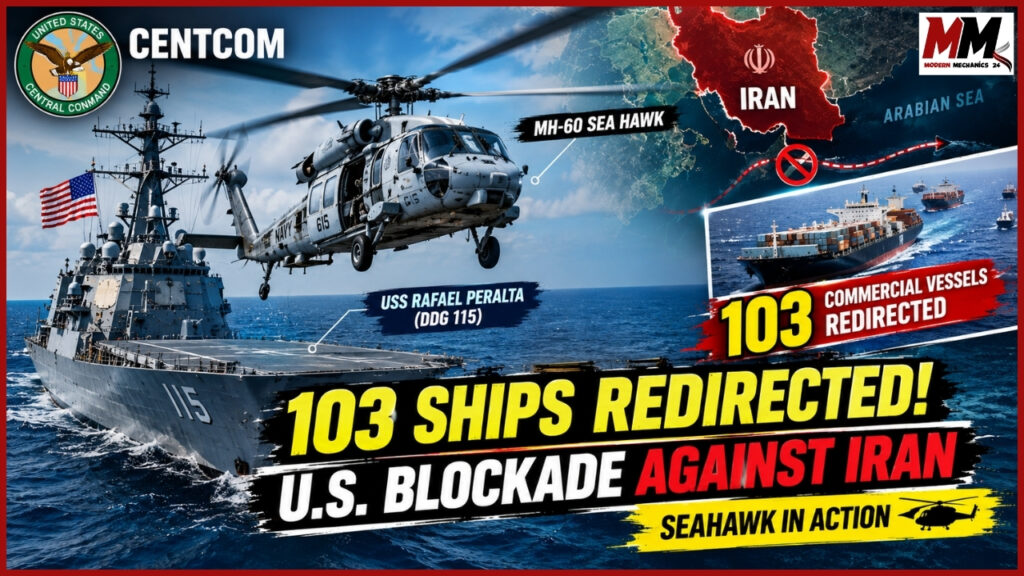
The latest confrontation began when three US Navy guided-missile destroyers entered the Strait of Hormuz toward the Gulf of Oman. CENTCOM said the vessels came under attack from Iranian missiles, drones, and fast-moving boats linked to Iran’s Islamic Revolutionary Guard Corps Navy. The American ships involved were the USS Truxtun, USS Rafael Peralta, and USS Mason.
Iran’s Revolutionary Guard claimed responsibility for the attack and said its forces targeted the American destroyers with ballistic missiles, cruise missiles, and drones. Iranian state media later claimed the operation damaged US warships in the area. However, CENTCOM rejected those claims and stated that no American military assets were harmed during the confrontation.
Trump later said US forces intercepted the incoming missiles and destroyed Iranian attack boats involved in the incident. American officials described the attack as unprovoked and justified the strikes on Iran as an act of self-defense. Iran, meanwhile, accused Washington of violating the ceasefire agreement through its military response.
Fox News reported that US forces struck targets on Qeshm Island, Bandar Abbas, and an Iranian naval facility in Minab. Iranian state media also confirmed explosions in some of those areas after the strikes. A senior US official said the operation focused on Iranian drone launch sites, coastal radar systems, and anti-ship missile facilities.
Project Freedom and Regional Pressure
The military escalation comes during a broader American operation called ‘Project Freedom,’ launched to secure shipping routes through the Strait of Hormuz. The narrow waterway is one of the world’s most important oil transit routes, with a large share of global energy exports passing through it every day. Any disruption in the region can quickly affect oil prices, shipping costs, and international trade.
WATCH ALSO: Elon Musk’s Neuralink Robot Makes Brain-Computer Connection Possible
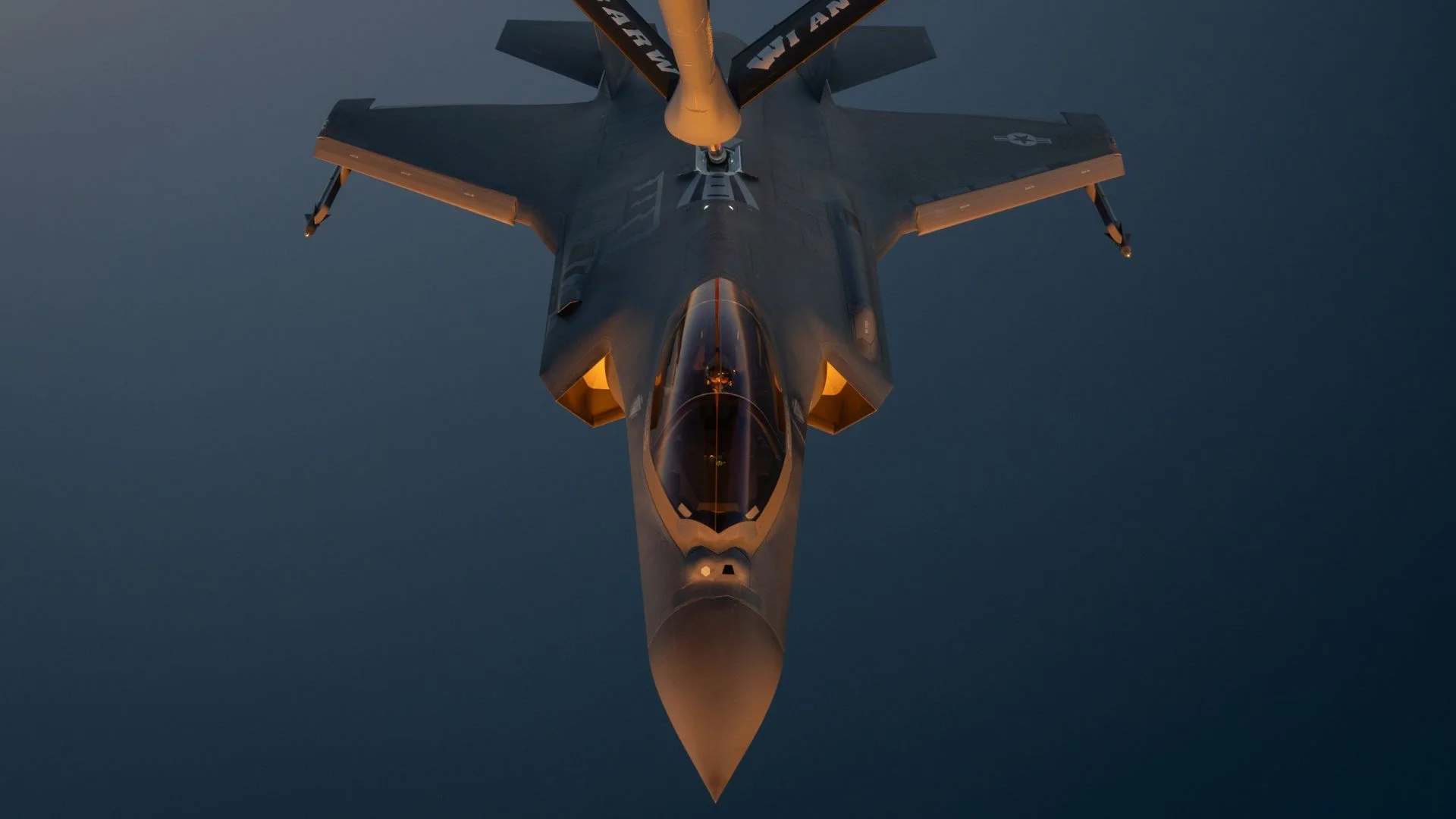
US officials said the operation includes more than 100 aircraft along with naval forces deployed across the Gulf region. American assets involved include fighter jets, drones, surveillance aircraft, refueling tankers, and electronic warfare planes. Defense Secretary Pete Hegseth said US destroyers and aircraft were providing continuous protection for commercial vessels transiting the area.
The conflict also exposed tensions between Washington and some Gulf allies. Saudi Arabia and Kuwait temporarily suspended US military access to their bases and airspace during the latest escalation. Those restrictions affected operations involving aircraft such as the Boeing P-8 Poseidon, Boeing E-3 Sentry, and EA-37B Compass Call.
The restrictions were later lifted on May 7, the same day the US launched strikes on Iranian positions. American military planners rely heavily on Gulf airspace and regional bases for surveillance, logistics, and naval protection missions. Without that access, US operations in the Middle East become more difficult and slower to sustain.
Naval Blockade Expands in Gulf Region
The US has also continued enforcing a naval blockade aimed at restricting Iranian shipping activity in the Gulf. One recent incident involved a US Navy Boeing F/A-18E/F Super Hornet launched from the aircraft carrier USS Abraham Lincoln (CVN-72). According to reports, the fighter jet fired warning shots at an Iranian oil tanker attempting to bypass the blockade and reach an Iranian-controlled port.
READ ALSO: Baggage Bots: Japan Airports Deploy Chinese Humanoid Robots Amid Labour Shortages
Military analysts say the latest clashes highlight how fragile the ceasefire between Washington and Tehran remains.
The Strait of Hormuz remains one of the most sensitive flashpoints in global security because even minor confrontations can affect energy markets and international shipping. With both sides still exchanging warnings, the risk of another military escalation in the Gulf remains high in the coming weeks.