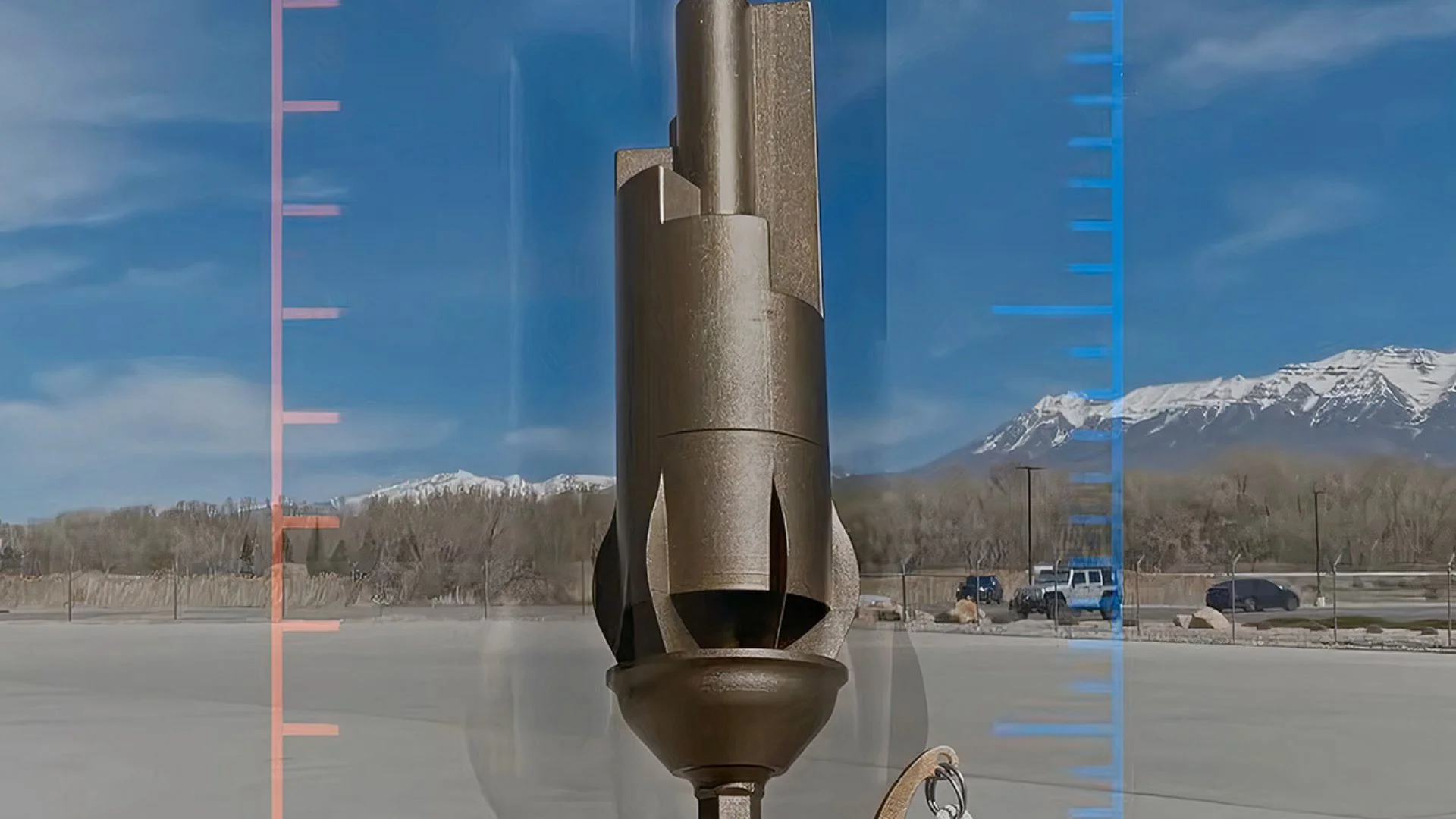
A maker known as AeroKoi has recreated the iconic sound of steam locomotive whistles using desktop 3D printing technology.
After months of testing and redesigning parts, the project successfully produced detailed multi-chime train whistles that closely match the tones of historic steam engines.
The work is now attracting attention from train enthusiasts, makers, and hobby engineers interested in combining modern fabrication tools with classic railway history.
AeroKoi’s 3D-Printed Train Whistles Recreate Historic Steam Sounds
AeroKoi began the project with a simple goal. He wanted to know whether a home 3D printer could reproduce the rich sound of traditional steam locomotive whistles. Those whistles once echoed across towns and farmland long before trains came into view.
Steam locomotives used multi-note whistles instead of the simpler horns found on most modern diesel trains. Different railroads developed their own whistle tones and chime combinations over time. Many railway fans still recognize these sounds as part of railroad history and industrial culture.
READ ALSO: B-52 Successor? US Air Force Begins Planning for a Future Heavy Bomber Program
The first versions of the whistles were basic experimental models. AeroKoi combined printed plastic sections with PVC pipe while forcing air through the setup using a nozzle. The early attempts produced weak and uneven tones that lacked the deep resonance of real steam whistles.
The main problem involved airflow control inside the whistle. Real train whistles allow compressed air to collect in a rounded chamber before it is sent through a narrow slit. That focused airflow then strikes the bell edge to create the whistle’s signature tone.
Once AeroKoi adjusted the internal chamber design, the sound quality improved significantly. He carefully changed the slit width and the spacing between the chamber and bell edge during each test. These small adjustments helped produce clearer notes and more stable harmonics.
How 3D Printing Process Improved Whistles
The whistles were designed in sections to fit standard desktop 3D printers. Large four-inch-wide parts were split vertically into smaller printable pieces. This approach allowed the components to be assembled later without requiring industrial-scale equipment.
Most prototypes used standard PLA plastic because it is widely available and easy to print. Some sections also used carbon-fiber-reinforced material for additional stiffness under pressure. The stronger material helped prevent vibration and distortion during operation.
AeroKoi kept the layer height at 0.2 millimeters throughout testing. Each section included six outer walls and 25 percent internal infill for added strength. These settings helped the whistles survive repeated blasts of compressed air without cracking or collapsing.
WATCH ALSO: Humanoid robot plays table tennis like human beings
As the designs improved, the airflow system changed as well. Early models used small quarter-inch fittings that restricted air movement too much. Larger whistles needed more airflow to produce the proper deep notes associated with steam locomotives.
The inlet system gradually expanded from quarter-inch fittings to half-inch connectors and finally full-inch NPT ball valves. The larger fittings allowed smoother airflow and more accurate control of the sound. This adjustment also reduced the harsh rattling heard in earlier prototypes.
AeroKoi added adjustable spacers between key sections of the whistle. These spacers allowed fine-tuning of the distance between the bowl and lip without reprinting the entire assembly. The modification saved printing time and allowed faster testing of different sound profiles.
Final Steam Whistle Designs Released for Public Download
The project eventually produced two final whistle models designed for public use. One replicates a classic Santa Fe Railroad six-chime whistle. The other recreates a Northern Pacific five-chime locomotive whistle.
Both models are designed for home printing and assembly using standard fittings. Users connect the whistles to an air compressor operating at around 120 pounds per square inch. When powered, the whistles produce layered tones similar to those of steam locomotives.
The Santa Fe six-chime version became the most refined design in the project. According to AeroKoi, the tones blend smoothly together without the shrill noises found in earlier attempts. The finished whistle delivers a cleaner and more balanced sound closer to historic railroad recordings.
The project highlights how modern maker tools are helping preserve older mechanical designs. Desktop 3D printers now allow hobbyists to recreate objects that once required industrial manufacturing methods. Similar projects are appearing across aviation, automotive restoration, and historical engineering communities.
READ ALSO: J-10CE in Combat: China Confirms It Backed Pakistan’s Air Force During India Conflict
The growing popularity of accessible fabrication tools has expanded interest in preservation-based engineering projects. Enthusiasts can now study and rebuild historical technology using digital files and affordable materials. This shift is creating new opportunities for education, experimentation, and historical recreation.
AeroKoi’s work also shows how sound engineering can be recreated with modern prototyping methods. By combining careful airflow tuning with detailed digital modeling, the project reproduced complex whistle tones once powered by steam locomotives. The success of the design may encourage more makers to recreate historical industrial sounds and machines using consumer-level technology.