Rheinmetall and MBDA Germany are establishing a dedicated joint venture to deliver operational high-energy laser weapon systems to the German Navy, building on a proven naval demonstrator that successfully completed over 100 firing tests at sea. This strategic move aims to provide a cutting-edge, “made in Germany” defence solution against drone swarms and agile threats.
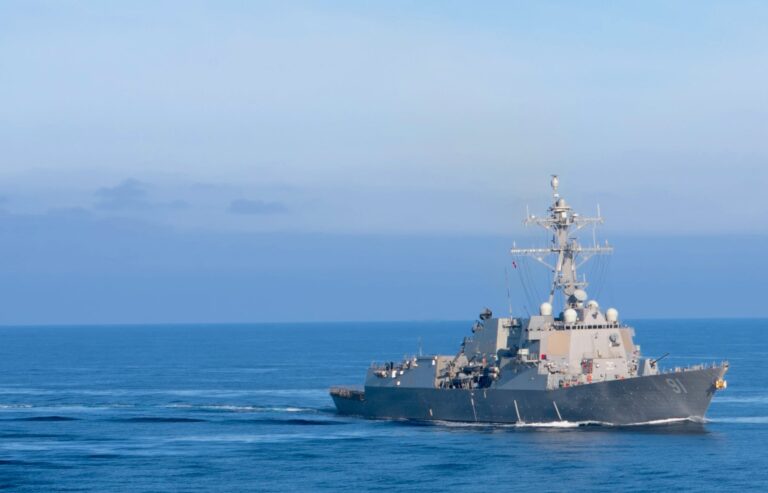
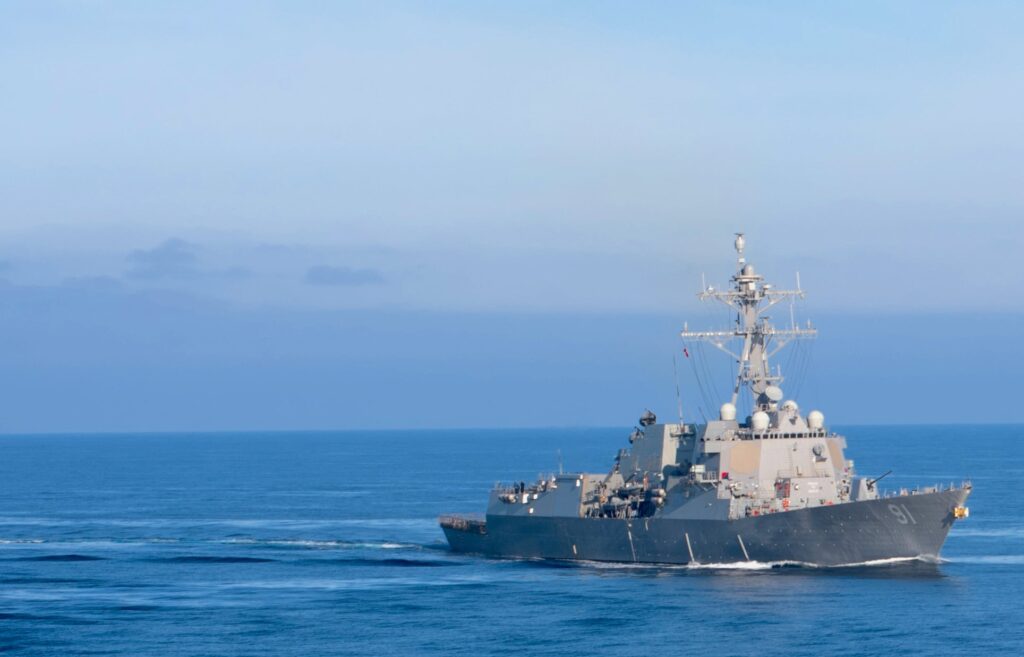
In a significant step for European defence technology, two industrial powerhouses are joining forces to weaponize light. Rheinmetall, the German defence titan, and missile systems expert MBDA Germany have announced plans to create a new company focused solely on developing and providing high-performance laser weapon systems, starting with naval applications. This isn’t a speculative project; it’s the commercialization of a working prototype that has already spent a year integrated on a German naval vessel, performing under real-world conditions.
The driving need is clear. Modern asymmetric threats, like low-cost drone swarms, can overwhelm traditional gun systems and are prohibitively expensive to counter with million-euro missiles. A laser weapon offers a game-changing alternative: a potentially limitless magazine, precision engagement, and a low cost-per-shot. The German Navy now stands to receive this operational capability to complement its existing arsenal, specifically for striking drones and other highly agile targets at short ranges.
READ ALSO: https://modernmechanics24.com/post/worlds-largest-ice-snow-theme-park-china/
What makes this venture particularly promising is its foundation in demonstrable success. The partner companies have already developed and tested a laser demonstrator that has proven its mettle. During a rigorous one-year trial at sea, the system conducted over 100 firing and tracking tests against various targets. Even in the most challenging “Blue Sky” scenarios—where the beam isn’t guided by the landscape—it demonstrated exceptional stability and precision. The system can track a target the size of a One-Euro coin at great distance and concentrate the laser’s energy precisely on that tiny point, minimizing the risk of overshoot and collateral damage.
This level of performance has galvanized the partners to formalize their collaboration. Roman Köhne, Head of Rheinmetall’s Weapons and Munitions division, stated that this step “demonstrates the potential of determined industrial and technological cooperation in Germany in order to produce cutting-edge technology.” He emphasized that nationalizing this critical technology was a primary objective from the outset, aimed at ensuring “national sovereignty and security of supply in times of crisis,” as well as creating and maintaining high-tech jobs in Germany.
WATCH ALSO: https://modernmechanics24.com/post/us-giant-robot-fights-wildfires/
The sentiment is echoed by leadership at MBDA Germany. Thomas Gottschild, CEO of MBDA Germany, explained that the new GmbH sets “new standards in the development and production of state-of-the-art military laser weapon systems, designed and made in Germany.” He highlighted that this move accentuates the benefits of years of collaboration and underscores a shared dedication to bringing the “tried-and-tested maritime product to the market swiftly.” By merging their complementary expertise, Gottschild says they can offer the German Navy a system that is not just advanced, but already “qualified and operational.”
Following its successful sea trials, the original demonstrator wasn’t retired. It was transferred to the Laser Competence Centre of the Military Technical Service for Weapons and Ammunition (WTD 91) in Meppen for further evaluation. It has been reactivated and is now also being used for land-based testing against drone threats, proving the dual-use potential of the technology and providing invaluable data for the joint venture’s future development.
READ ALSO: https://modernmechanics24.com/post/ai-copilot-reduces-sea-collisions/
This joint venture represents more than just a new product line; it’s a strategic German and European bid for autonomy in next-generation weaponry. In an era where drone warfare is rewriting the rules of engagement, Rheinmetall and MBDA are betting that the future of point-defence is not just faster metal, but focused light.