A new study reveals that tiny plastic particles in soil are harming plant growth and entering plant tissues, raising serious concerns about food safety and human exposure.
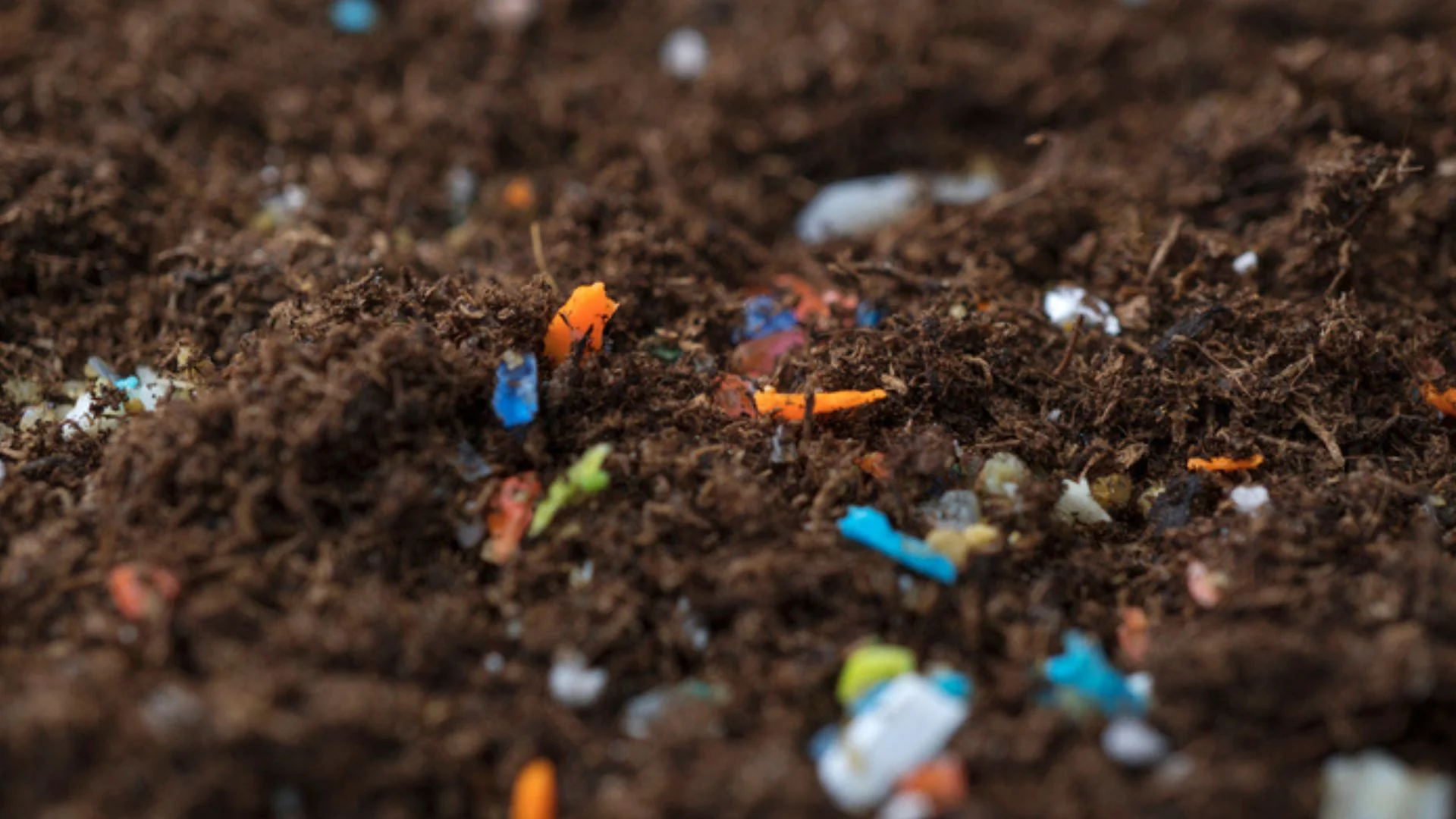
The research was led by scientists at Griffith University and published in the journal Environmental Science and Pollution Research. The team focused on microplastics (MPs) and nanoplastics (NPs), which are extremely small plastic particles commonly found in the environment.
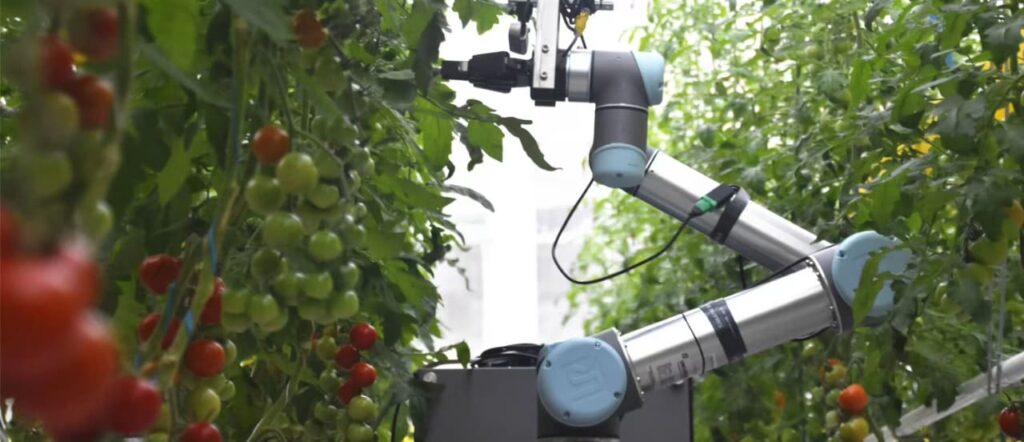
To understand their impact, researchers studied wheat and tomato plants grown in soil containing these particles. Unlike earlier experiments, this study used real-world conditions. The plastics tested were aged, varied in size and type, and were present in amounts typically found in agricultural land.
The study showed that microplastics reduced plant growth and lowered chlorophyll levels, which are essential for photosynthesis. Among different types, fiber-shaped plastics had the strongest negative effect. These fibers often come from synthetic textiles and are commonly found in soil through wastewater and biosolids.
READ ALSO: Unitree Robotics H1 vs Usain Bolt: 10 m/s Sprint Puts Humans on Edge
Dr. Shima Ziajahromi, who led the research, explained the results clearly. She said plants can trap larger plastic particles in the soil around their roots. While this reduces the movement of plastics in the environment, it also leads to a buildup near the roots, which may harm plant health.
The study found that these much smaller particles were absorbed by plants. They moved from the roots into the stems and even reached the leaves, especially in tomato plants. This shows that plastics are not just staying in the soil; they are entering the food chain.
Dr. Ziajahromi said, “Our findings show that soil is not just storing plastics. It is acting as a pathway that allows these particles to move into crops and eventually into food.”
WATCH ALSO: Engineers from Australia have introduced a spray that enhances the fire-resistance of clothing
Another key discovery was that a mix of microplastics and nanoplastics caused more damage than individual types alone. This suggests that combined exposure may have stronger and more harmful effects on plants.
The results highlight a growing environmental issue. Plastics are already known to pollute oceans and waterways. Now, this study shows they are also affecting farmland and food production.
Researchers believe this could have long-term impacts on agriculture and human health. Reduced plant growth can affect crop yields. At the same time, the presence of plastics inside edible plant parts raises concerns about what people are consuming.
Dr. Ziajahromi emphasized the need for action. She said better environmental management and stricter regulations are necessary to reduce plastic pollution in agricultural systems.
READ ALSO: China Fires Back-to-Back Rockets in 24 Hours, Scaling Space Internet Power Play
The study calls for practical solutions based on real-world conditions. This includes controlling the use of plastic-containing materials in farming and improving waste treatment processes.
As plastic pollution continues to spread, its hidden effects are becoming harder to ignore. This research makes one thing clear: the problem is no longer just visible waste; it is now part of the food we grow.