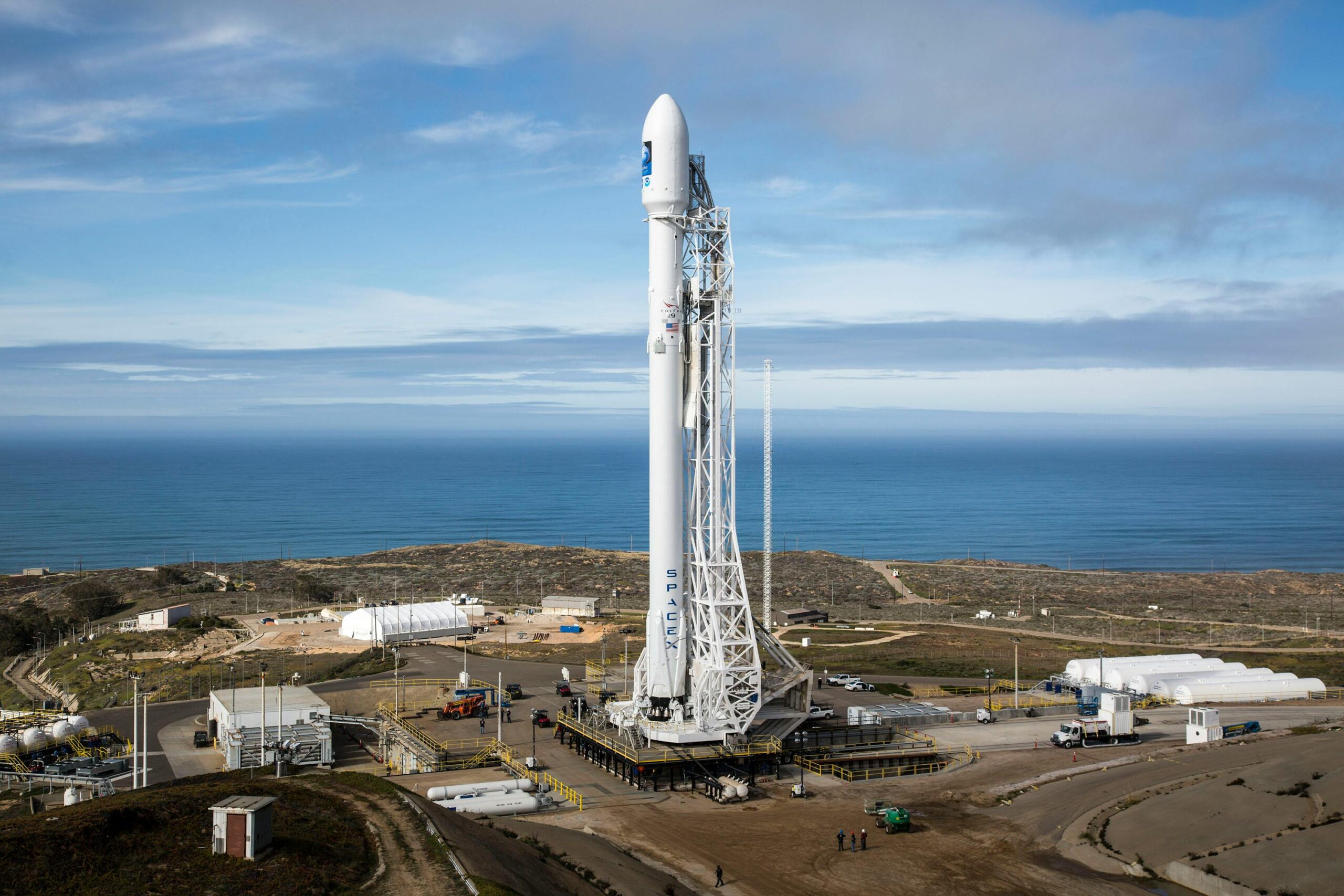
SpaceX will begin a massive reconfiguration of its Starlink satellite constellation, lowering the orbit of more than 4,400 spacecraft following diplomatic critiques from China. The move, coordinated with US regulators and Space Command, aims to enhance space safety by reducing collision risks and speeding up deorbiting times.
The vast orbital highways around Earth are getting a new traffic plan. In a significant strategic shift, SpaceX has announced it will undertake a massive, years-long operation to move a huge portion of its Starlink internet satellites to a lower, less crowded orbit. The decision comes shortly after Chinese representatives voiced strong concerns about the safety risks posed by the sprawling mega-constellation, highlighting the growing geopolitical tensions in the new space race.
“Starlink is beginning a significant reconfiguration of its satellite constellation focused on increasing space safety,” announced Michael Nicolls, vice-president of engineering at Starlink, in a social media post reported by the South China Morning Post (SCMP). The plan is to gradually lower the altitude of satellites currently orbiting at about 550 km (342 miles) down to approximately 480 km over the course of 2026.
READ ALSO: https://modernmechanics24.com/post/scientists-new-energy-potential-iron-based-materials/
This isn’t just a minor tweak; it’s a complex logistical feat involving more than 4,400 satellites. Why go through all this trouble? Nicolls explained the core safety benefits. “The number of debris objects and planned satellite constellations is significantly lower below 500km, reducing the aggregate likelihood of collision,” he stated. In essence, they’re moving out of the busiest orbital neighborhood. Furthermore, the lower altitude means any failed satellite will fall back to Earth much faster. During the expected solar minimum around 2030, the ballistic decay time—how long it takes for an object to naturally deorbit—will be reduced by more than 80 percent.
The backdrop to this technical decision is a diplomatic one. The announcement followed criticism from an unnamed Beijing representative during an informal UN Security Council meeting last month. As reported by SCMP, the representative argued that “such constellations crowd frequency-orbit resources… and significantly increase the risk of collisions,” directly citing Starlink. They pointed to specific incidents, including two in 2021 where Starlink satellites made “dangerous close approaches” to China’s Tiangong space station, forcing it to perform evasive maneuvers.
WATCH ALSO: https://modernmechanics24.com/post/us-supersonic-jet-cuts-flight-time-silences-sonic-boom/
SpaceX’s proactive move can be seen as an effort to address these international concerns head-on while advancing its own safety protocols. Nicolls emphasized that the reconfiguration would be “tightly coordinated” with regulators, other satellite operators, and the US Space Command. This coordination is critical, as the lower orbit brings the constellation closer to other major assets, including the International Space Station (at ~400 km) and China’s Tiangong station (orbiting between 340-450 km).
The scale of the challenge is immense. Starlink already has over 9,000 operational satellites in orbit and aims for a complete network of more than 42,000. Each performs constant automated collision avoidance; the fleet executed a staggering 145,000 such maneuvers in just the first half of 2025. By condensing its satellites into a safer, lower orbital shell, SpaceX is attempting to get ahead of a potential crisis as space becomes increasingly congested with its own assets and competing projects from China, like the Guowang and Qianfan networks, which also plan to launch tens of thousands of satellites.
READ ALSO: https://modernmechanics24.com/post/einstein-wrong-bohr-debate-98-years/
While framed as a pure safety enhancement, this large-scale orbital reshuffle is a clear nod to the realities of modern space governance: technical decisions are inextricably linked to international diplomacy and strategic competition. By lowering its constellation, SpaceX isn’t just reducing debris risk; it’s navigating the complex orbital politics of the 21st century.