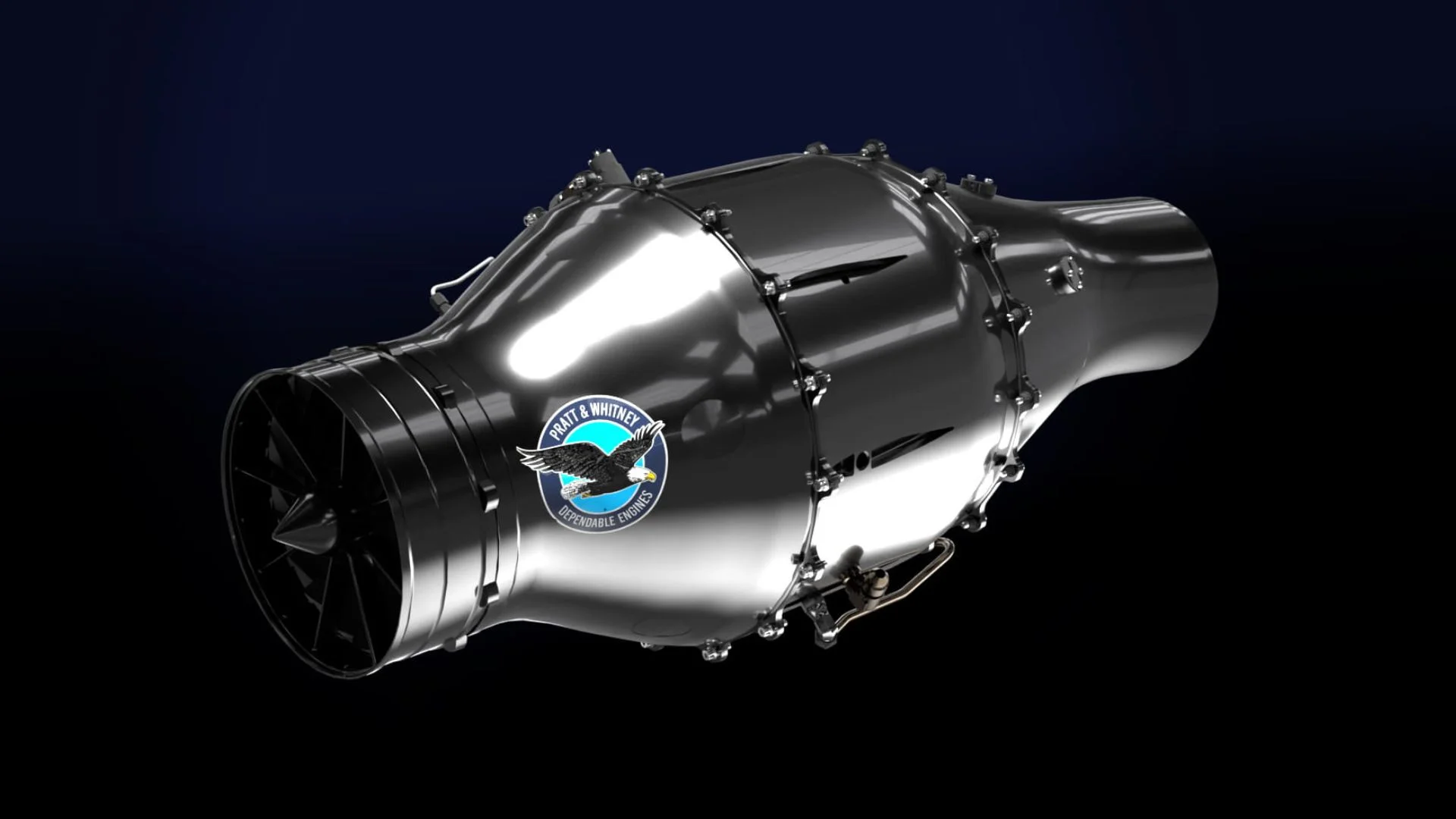
Pratt & Whitney has completed a major design milestone for its new Valox 1500 engine, designed for semi-autonomous collaborative military platforms.
The achievement confirms that the engine remains on schedule to deliver a balance of performance, affordability, and faster production. The development supports growing demand for propulsion systems built specifically for next-generation autonomous aircraft.
Digital Design Validation
The company completed a detailed digital assessment to verify the engine’s design before moving to physical testing. Digital engineering allows engineers to identify and solve design issues on computers, reducing cost and shortening development time. Pratt & Whitney said this approach has lowered development risks while keeping the project on track.
Jill Albertelli, president of Pratt & Whitney’s Military Engines business, said the milestone reflects the company’s ability to deliver new military capabilities more quickly.
She said engineers optimized the engine for a shorter mission life, helping reduce costs and simplify development. Albertelli added that the design supports a scalable propulsion solution for emerging operational needs.
READ ALSO: China’s Upgraded Y-9 Anti-Submarine Aircraft Enters Operational Training Phase
Contract Supports Development
In late 2025, Pratt & Whitney received a US Air Force contract worth more than $10 million to continue developing the engine. The company is now preparing the Valox 1500 for follow-on ground testing, an important step before flight evaluations. Ground testing will confirm that the engine performs as expected under operating conditions.
Valox 1500 Powers Autonomy
The Valox 1500 belongs to the newly introduced Pratt & Whitney Valox engine family. These engines are designed to provide reliable power for collaborative combat aircraft and other emerging defense platforms. They are intended to combine precision, speed, and lower operating costs for future military missions.
Focus On Affordability
Collaborative combat aircraft are unmanned or semi-autonomous systems that operate alongside crewed military aircraft during missions. They help perform tasks such as surveillance, electronic warfare, and strike operations while reducing risks for human pilots. Engines built for these platforms must be efficient, affordable, and quick to produce because they are expected to support larger fleets.
READ ALSO: China’s PHL-191 MLRS Airburst Demo Reveals New Battlefield Strategy Behind Long-Range Rocket Fires
Pratt & Whitney’s focus on digital engineering and simplified engine design reflects a broader shift in defense manufacturing. Military organizations are seeking technologies that can move from design to deployment more quickly without significantly increasing costs. This strategy aims to meet evolving operational demands while improving production efficiency.
Looking Ahead
The successful design milestone marks another step toward bringing the Valox 1500 into testing and eventual operational use.
However, the engine is expected to strengthen propulsion options for future autonomous military aircraft. Its advancement also highlights the growing importance of cost-effective and rapidly developed technologies in modern defense programs.