Researchers at Yale University and Microsoft are using artificial intelligence to accelerate the search for better battery materials.
Their work focuses on redox flow batteries, a technology designed to store renewable energy for long periods. The project combines laboratory testing with AI-guided decision-making to accelerate discovery.
The research team uses an AI system called Cognitive Loop via In-Situ Optimization(CLIO). Microsoft developed the system to function as an active research partner rather than a simple data analysis tool. It continuously evaluates information, forms new ideas, and updates its understanding based on experimental results.
The study was led by Yale researcher David Kwabi and his team. Kwabi’s laboratory focuses on aqueous organic redox flow batteries(AORFBs). These batteries are among the most promising options for large-scale renewable energy storage.
How Redox Flow Batteries Store Energy
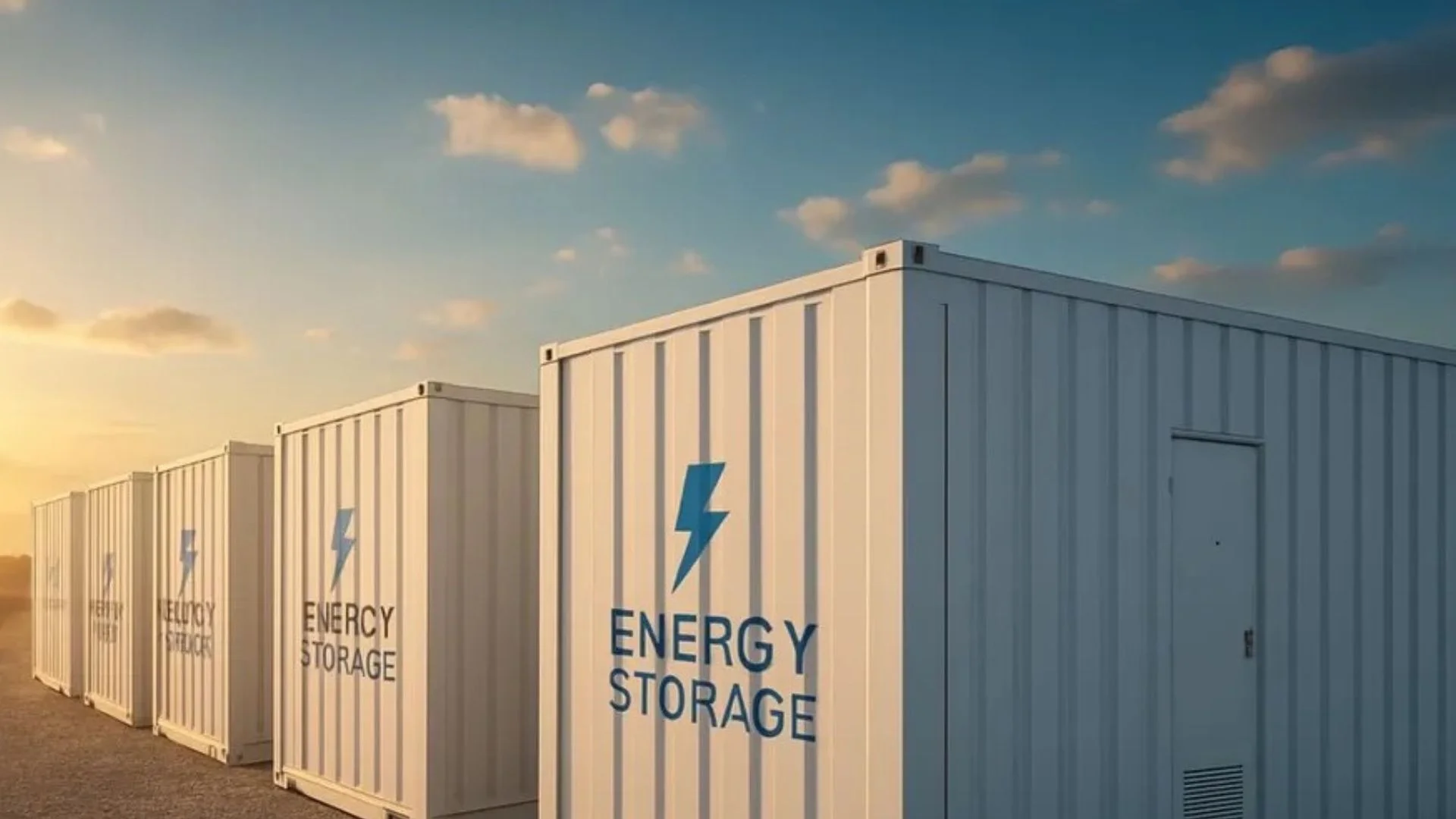
Unlike traditional batteries, redox flow batteries store energy in liquid solutions held inside external tanks. The liquids flow through the battery system during charging and discharging. This design allows energy storage capacity to be increased by using larger tanks.
Researchers have spent years searching for the best chemical compounds for these batteries. Ideal molecules must remain stable over time and dissolve readily in water. They must also support high voltage and maintain efficient energy performance.
READ ALSO: China Launches World’s First 3-Band Optical Fibre Network, Expanding AI Data Capacity
Finding the right molecules is difficult. Scientists often test many chemical structures before finding successful candidates. Each experiment generates new information that helps guide future research.
This is where CLIO enters the process. The AI system analyzes large numbers of possible molecular designs much faster than humans can. It helps identify promising areas for researchers to investigate in the laboratory.
According to Microsoft, CLIO continually reflects on its progress and develops new hypotheses. The system examines available evidence and compares different research paths. It also evaluates the reliability of computer-generated predictions before making recommendations.
AI and Human Scientists Work Together
The collaboration follows a cycle where AI and scientists share information. CLIO proposes potential molecules for testing. Researchers then perform laboratory experiments and send the results back to the AI system.
The AI reviews the findings and develops new explanations based on the data. It then recommends revised molecular designs for additional testing. This process allows both human expertise and machine intelligence to contribute to discoveries.
During the project, CLIO first suggested a molecule from the benzocinnoline family. The molecule contained a benzylphosphonate group and exhibited promising properties. However, laboratory tests revealed that it struggled to efficiently release stored energy.
READ ALSO: First Nuclear Clocks Start Ticking, Opening a New Era of Ultra-Precise Timekeeping
Researchers shared these results with the AI system. CLIO analyzed the new data and proposed a modified version of the molecule. The revised design performed successfully and addressed the earlier limitations.
Kwabi said the project demonstrates the value of combining laboratory experimentation with AI-driven exploration. Human researchers generate high-quality experimental data through testing. The AI helps navigate large chemical design spaces and identifies opportunities that may otherwise take much longer to find.
The approach also addresses a growing challenge in energy research. Scientists must evaluate enormous numbers of possible molecular combinations when developing next-generation batteries. AI systems can reduce the time required to narrow those possibilities and focus resources on the most promising candidates.
The implications extend beyond battery development. Similar AI-assisted methods could support research in materials science, chemistry, and clean energy technologies. By helping researchers learn faster from experiments, AI systems can improve the efficiency of scientific discovery.
As demand for renewable energy storage continues to grow worldwide, faster battery innovation is important. The Yale-Microsoft collaboration shows how AI and human researchers can work together to accelerate progress, potentially bringing more efficient and affordable energy storage technologies closer to real-world deployment.