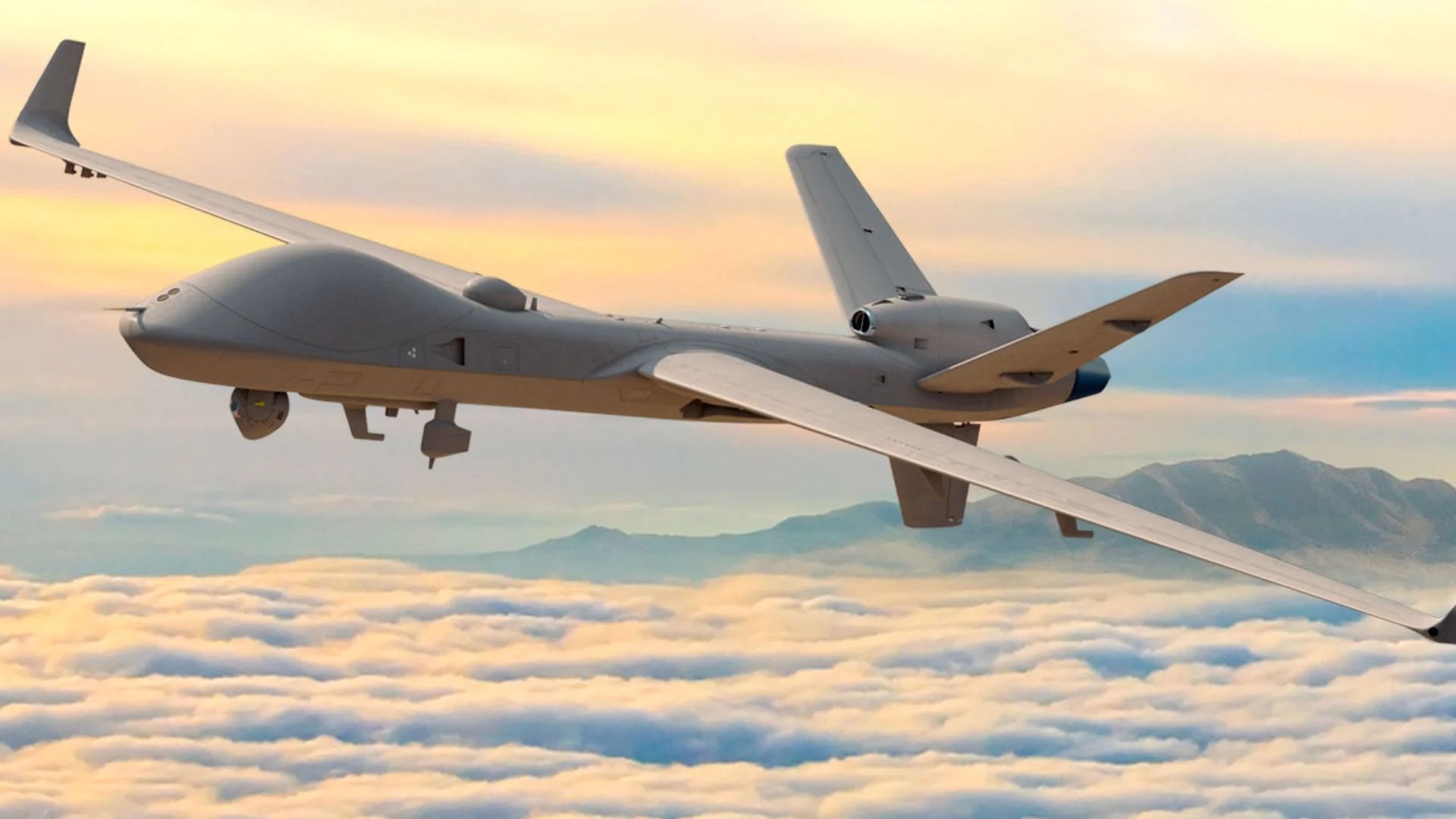
The US has reportedly lost nearly 20% of its MQ-9 Reaper drone fleet during military operations linked to the conflict with Iran.
Bloomberg reported that more than two dozen drones had been destroyed since fighting intensified in late February. The losses are estimated to have caused damage close to $1 billion.
Several drones were reportedly shot down by Iranian air defense systems during missions over contested areas. Others were damaged on the ground during missile strikes or lost in operational accidents.
The scale of the losses has raised questions about the survivability of large surveillance drones in modern conflicts.
Why MQ-9 Reaper Is Important
The MQ-9 Reaper is one of the most widely used unmanned combat aircraft in the US military. It was developed by General Atomics and entered service in the mid-2000s. The aircraft replaced the older MQ-1 Predator and introduced stronger attack and surveillance capabilities.
READ ALSO: 567-Million-Year-Old Fossils Found in Canada Reshape Understanding of Early Animal Evolution
Unlike early drones designed mainly for reconnaissance, the Reaper was built to both observe and strike targets. It can stay in the air for more than 24 hours without landing. The aircraft also flies at very high altitudes while carrying advanced cameras, radar systems, and targeting sensors.
The drone can carry several precision-guided weapons used in modern warfare. These include AGM-114 Hellfire missiles, GBU-12 Paveway laser-guided bombs, and JDAM precision bombs. This allows operators to identify targets and launch attacks from long distances without risking a pilot’s life.
Military experts say the Reaper remains valuable for its long-range surveillance capability. Fighter jets often need frequent refueling and pilot changes during long missions. The MQ-9 can monitor an area for an entire day, making it useful for tracking troop movements and missile launches.
The drone is also widely used for border patrol and maritime surveillance. Its sensors capture live video and infrared imagery, which are sent directly to command centers. This information helps coordinate air strikes, missile defense systems, and ground operations in real time.
US-Iran War Reveals Drone Vulnerabilities
The conflict with Iran has exposed weaknesses in traditional surveillance drones operating against advanced air defense systems. The MQ-9 Reaper is powerful but relatively slow compared to fighter aircraft. That makes it easier to detect and target in heavily defended regions.
Iran has invested heavily in missile systems, radar technology, and electronic warfare capabilities over the past decade. Analysts believe those systems played a major role in the reported drone losses. Electronic interference can disrupt drone communications, while modern missiles can target aircraft flying at high altitudes.
WATCH ALSO: Britain delivers laser-guided Air defense missiles to Ukraine six months ahead of schedule
The losses also highlight the risks faced by crewed military aircraft in the same conflict zone. Reports indicate the US also lost an F-15E Strike Eagle and an A-10 Thunderbolt II during operations connected to the fighting. Although the crew members survived, the incidents reinforced the growing military dependence on unmanned systems.
One of the main advantages of drones is that they reduce danger to pilots during dangerous missions. Remote operators can control aircraft from secure bases thousands of kilometers away. This makes drones especially useful for missions inside hostile territory.
Even with the recent losses, the Reaper still offers lower operating costs than many advanced fighter jets. A single MQ-9 Reaper costs around $30 million. In comparison, an F-35 fighter jet costs more than $80 million before maintenance and operational expenses are added.
What Drone Losses Mean for US Military
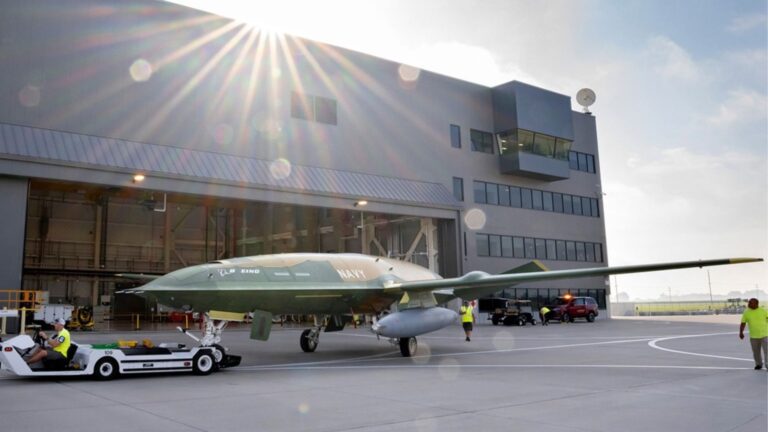
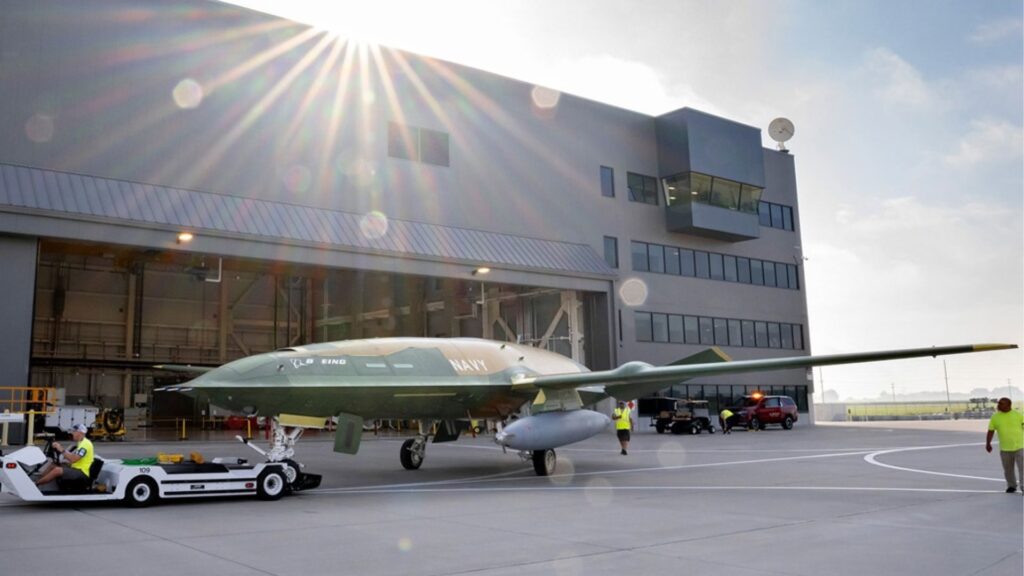
The reported destruction of so many Reapers comes at a difficult time for the Pentagon. Production of new MQ-9 drones for US forces has slowed in recent years. The military has increasingly focused on developing stealthier and more autonomous unmanned aircraft for future conflicts.
However, defense experts say no direct replacement currently matches the Reaper’s mix of endurance, weapons capacity, and intelligence-gathering ability.
The aircraft continues to play a major role in surveillance and targeted strike missions across several regions. Replacing lost systems quickly may not be easy.
READ ALSO: Robotics Push: Hyundai Plans 25,000 Atlas Robots Across US Factories by 2028
The conflict has also renewed debate over the future of drone warfare in high-intensity battles. Large unmanned aircraft performed effectively in counterterrorism operations for years. However, conflicts involving technologically advanced opponents present very different challenges.
Military planners are now studying how drones can survive in areas protected by sophisticated missile systems and electronic attacks. Future drone programs are expected to focus more on stealth, artificial intelligence, and faster operational speeds.