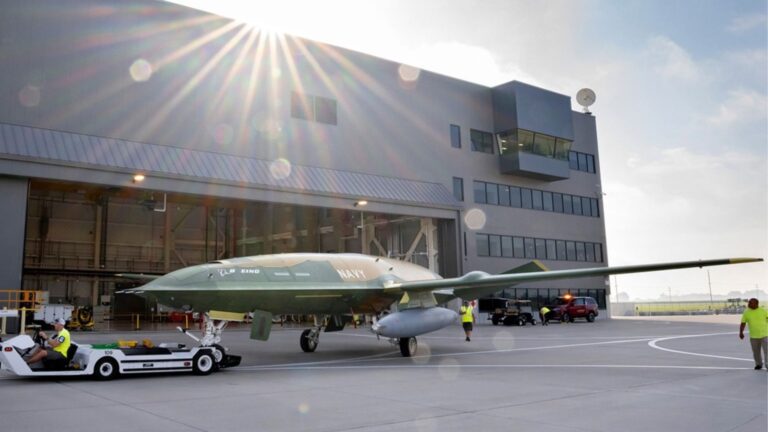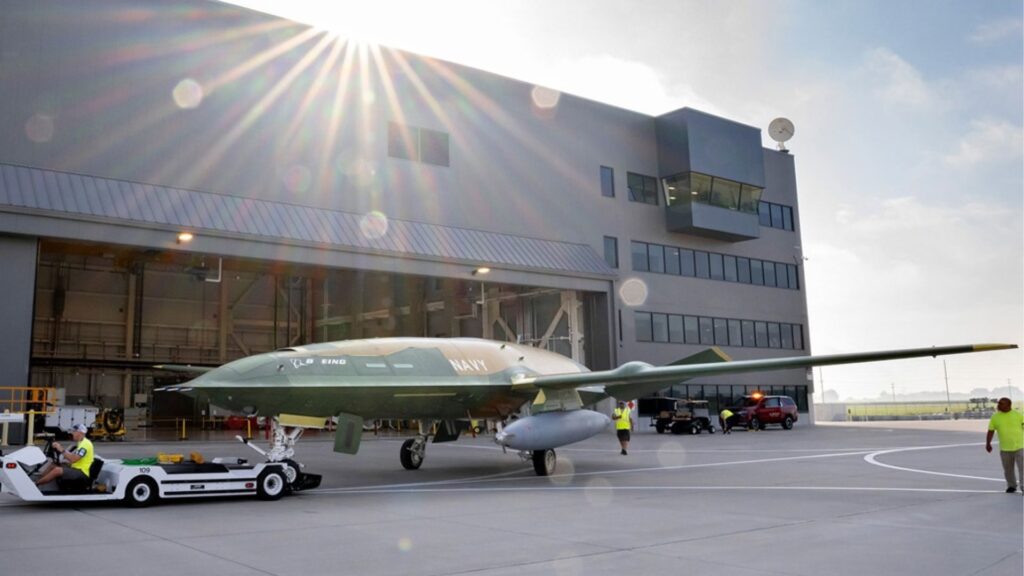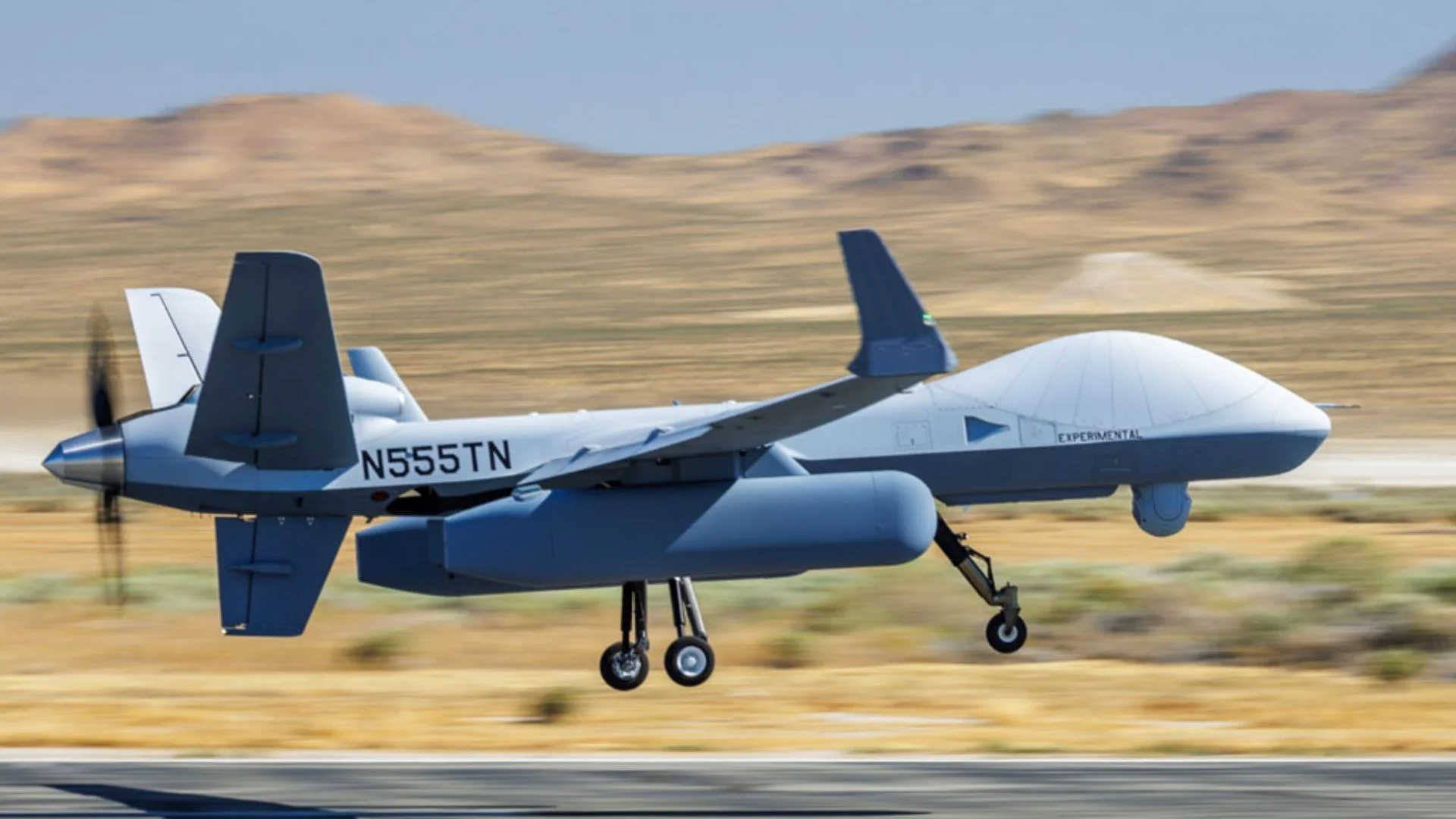
General Atomics and Saab have completed the first test flight of an MQ-9B drone fitted with airborne early warning radar pods.
The flight was carried out at GA-ASI’s Desert Horizon facility in Southern California. During the mission, the drone used Saab’s LoyalEye radar system.
The test is an important step for unmanned airborne surveillance technology. The system combines the MQ-9B drone’s long flight endurance with advanced radar sensors. It is designed to detect and track threats such as aircraft, missiles, and drones from long distances.
The companies said more testing will continue in the coming months. A full demonstration of the system is planned before the end of 2026. Engineers will focus on improving the radar and drone integration during the development phase.
The MQ-9B AEW system is being developed as a more affordable airborne warning option for military forces. Traditional airborne warning aircraft are expensive to buy and maintain. The new drone system is designed to enable longer surveillance missions at lower operating costs.
READ ALSO: Apache T700 Engine Deal Lands GE Aerospace a Three-Year British Army Support Contract
GA-ASI President David R. Alexander said the aircraft will help detect missiles, drones, fighters, and bomber aircraft.
He added that the unmanned design also keeps aircrews away from dangerous combat environments. Saab executive Carl-Johan Bergholm said the system improves situational awareness and supports faster operational decisions.
Why MQ-9B Drone Matters
MQ-9B SkyGuardian is the newest generation of the MQ-9 drone family developed by GA-ASI. The aircraft is designed for long-endurance intelligence, surveillance, and reconnaissance missions. It can stay airborne for more than 40 hours, depending on the mission profile.
The MQ-9B family includes the SkyGuardian, SeaGuardian, the UK’s Protector RG.1, and a short takeoff and landing version under development. The aircraft can operate through satellite communications and beyond line-of-sight connectivity. This allows operators to control the drone over very long distances.
The aircraft carries advanced sensors, radar systems, and electro-optical cameras for surveillance missions. It can track targets on land and at sea while covering large operational areas. The drone is also capable of supporting strike operations depending on customer requirements.
The addition of airborne early warning radar gives the aircraft a completely new mission role. AEW systems are used to detect aircraft, missiles, and drones from long distances. They help military commanders monitor airspace and coordinate defensive operations.
Large manned AEW aircraft, such as the Boeing E-7 Wedgetail and the Northrop Grumman E-2D Hawkeye, already perform these missions for major air forces. However, those aircraft are costly and are usually purchased in small numbers. The MQ-9B version offers a smaller and more flexible alternative for some operations.
Royal Navy Interest in AEW Systems
The partnership between Saab and GA-ASI was first announced in 2025. At the time, both companies said they wanted to create an affordable airborne warning solution for modern military operations. The recent test flight shows the program is moving forward quickly.
READ ALSO: ISS Astronauts See 16 Sunrises Daily as Orbital Life Forces a Redesign of Human Routines
The development is attracting attention from countries already operating MQ-9B aircraft. Current operators and customers include India, Japan, Belgium, Canada, Poland, Taiwan, and the UK. Many of these nations are increasing investments in air defense and maritime surveillance systems.
The Royal Navy is seen as one of the most important potential customers for the new AEW drone. Britain is searching for a replacement for its Merlin HM2-based Crowsnest airborne warning system. The current system is expected to retire by the end of 2029.
Britain’s Queen Elizabeth-class aircraft carriers cannot operate larger E-2D Hawkeye aircraft because of their ski-jump carrier design. An MQ-9B short takeoff version equipped with AEW radar could provide an alternative solution. British defense officials have already confirmed that MQ-9-based systems are under consideration.
The new drone-based AEW system also arrives as several countries look for European alternatives to traditional airborne warning aircraft. Saab already has strong experience building airborne surveillance systems for global customers. Combining that experience with the MQ-9B platform gives operators another option for modern air defense missions.
WATCH ALSO: World’s most powerful fighter jet F-35 is expected to get a new system soon
The program also reflects the growing role of unmanned aircraft in modern warfare. Drones are increasingly used for surveillance, strike missions, and electronic warfare operations. Adding airborne early warning capabilities further underscores their importance.
GA-ASI and Saab said the new system will support early warning, long-range tracking, and simultaneous target monitoring. The aircraft will also operate using satellite communications for extended missions.