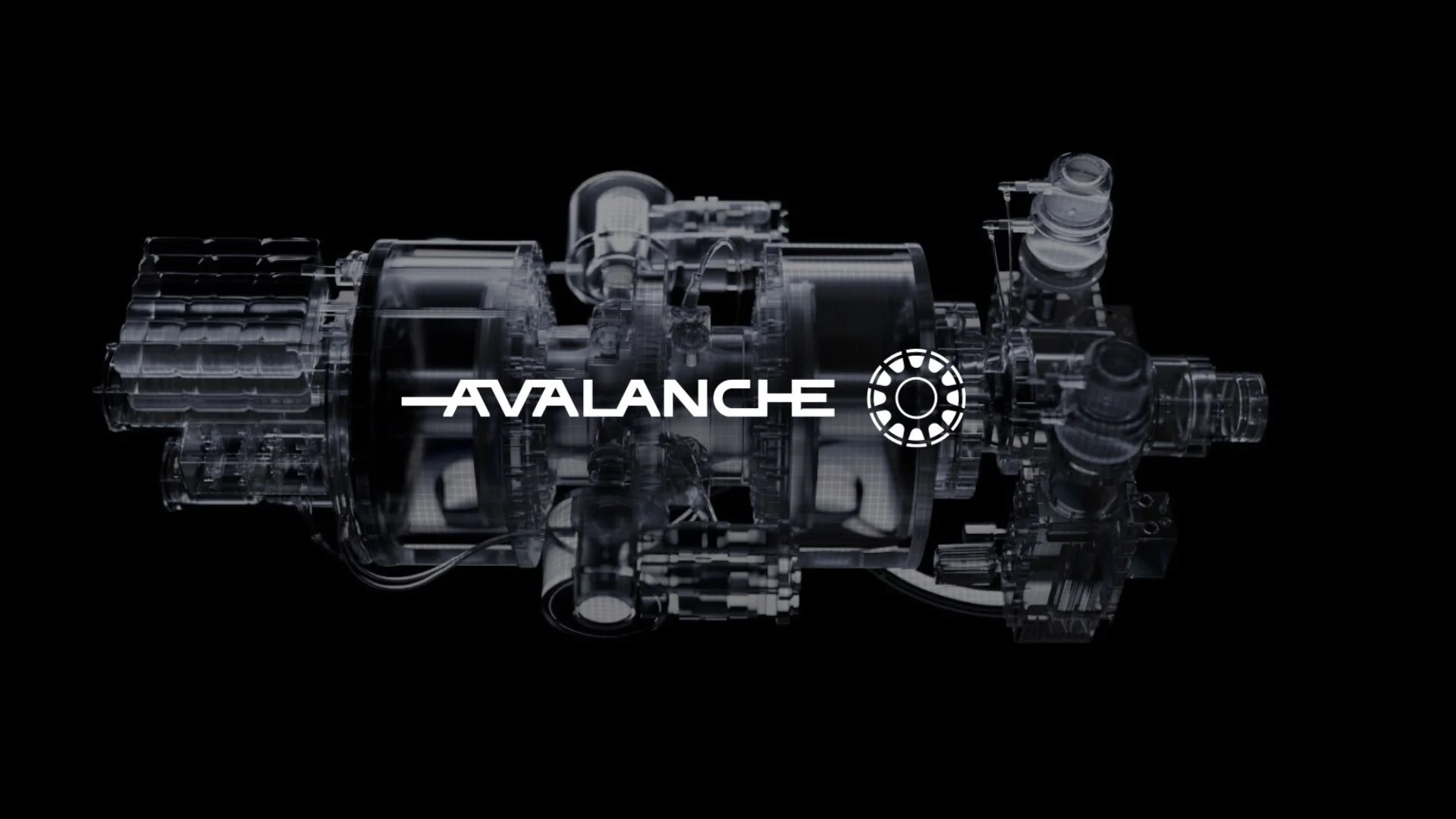
A Seattle-based startup, Avalanche Energy, has received a $5.2 million contract from DARPA.
The funding comes under DARPA’s ‘Rads to Watts’ program, which focuses on converting radiation into usable electricity. The goal is to develop compact nuclear batteries that can work in extreme environments.
The project will run for 30 months and aims to advance alpha-voltaic technology. This method converts energy from radioactive particles directly into electricity. It works similarly to how solar panels convert sunlight into power.
Engineers will design solid-state, micro-fabricated cells for this purpose. These tiny devices will capture energy from alpha particles released by radioisotopes. The system is expected to produce more than 10 W/kg.
READ ALSO: Boeing X-37B Mission at 230 Days Is Rewriting Space Tech Testing in Orbit
This level of power could run a laptop-class system for months. The entire device would weigh only a few kilograms. It is also designed to operate in harsh conditions, such as space, where conventional electronics fail.
The company will test the system using particle accelerators and active radioactive materials. These tests will help measure how well the device performs over time. The focus is on making the system reliable and resistant to damage.
This effort also supports Avalanche Energy’s long-term fusion goals. The same concept of converting charged particles into electricity applies to fusion energy systems. The company plans to use similar technology in future fusion machines.
Robin Langtry said the contract marks an important step forward. He said, “The DARPA contract represents a critical milestone in our path to practical fusion power.” He added that the company is building tools today that will support future energy systems.
WATCH ALSO: This robotic system to pick strawberries automates tough tasks
The project also aims to create durable micro-structures. These tiny components will first work with radioisotopes. Later, they may help convert energy directly from fusion reactions.
Another key part of the plan involves building a supply chain. Fusion systems can produce high-energy neutrons along with alpha particles. These neutrons can help produce the same radioisotopes used in nuclear batteries.
This creates a cycle where one technology supports another. Fusion machines produce materials for batteries, and battery research improves fusion systems. The company believes this approach will speed up progress in both areas.
Avalanche Energy is not working alone on this effort. It is leading a team that includes the University of Utah, Caltech, Los Alamos National Laboratory, and McQuaide Microsystems. Each partner brings expertise in science, engineering, and advanced materials.
READ ALSO: This Raytheon Camera Sees Heat Changes First, Targets Can’t Stay Hidden
Together, the team aims to deliver a near-term power solution. At the same time, they are working toward long-term fusion energy systems. These systems could power defense tools, spacecraft, and autonomous machines.
The contract highlights growing support for compact fusion technology. Earlier in 2026, the company raised $29 million in funding. It also secured a $1.25 million contract from AFWERX.
That earlier project focused on developing materials for extreme conditions. These materials are important for both nuclear batteries and fusion systems. They must survive high radiation and temperature levels.
The technology being developed has several possible uses. It could power remote military bases and forward operating locations. It may also support space missions and propulsion systems.
Other uses include underwater unmanned vehicles and critical infrastructure. Data centers and remote communities could benefit from steady, long-lasting power. These systems are especially useful where traditional energy sources are not practical.
WATCH ALSO: United States is considering to conduct air strikes against drug cartels in Venezuela
The work under DARPA’s program shows a clear shift toward resilient energy systems. It reflects growing demand for power sources that last longer and require less maintenance. Nuclear batteries could play a key role in meeting these needs.
As the project moves forward, the focus will remain on performance and safety. Engineers will continue testing and improving the technology. The aim is to create a reliable power source for some of the most challenging environments.