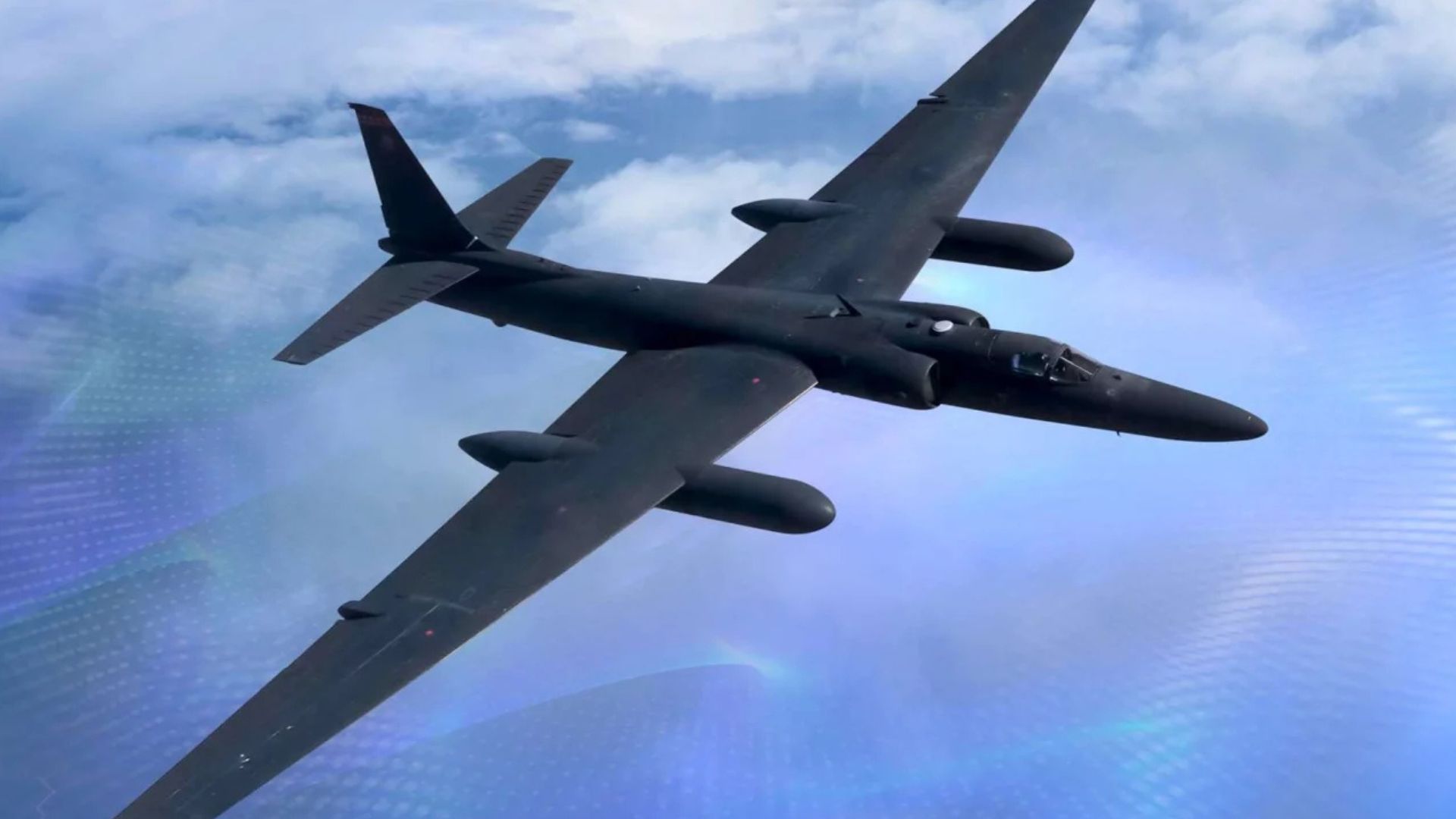
The US Air Force has moved to strengthen the survivability of its iconic U-2 Dragon Lady reconnaissance aircraft by awarding a contract to BAE Systems for the sustainment and modernization of the AN/ALQ-221 electronic warfare system.
Announced on March 17, 2026, through Robins Air Force Base, the contract focuses on keeping the aircraft effective in increasingly contested airspace.
The work includes field support, repairs, and critical software upgrades that will help the U-2 remain mission-ready in modern combat environments.
Why U-2 Upgrade Matters
Today’s airspace is far more dangerous than in the past. Advanced radar networks and long-range surface-to-air missile systems can detect and track aircraft even at extreme altitudes.
READ ALSO: US Firm Builds 2400°C Heat Battery That Can Transform Global Energy Storage
The U-2, once protected by its ability to fly very high, now faces threats that can reach it faster and more accurately. This shift has made electronic warfare systems essential for survival.
The upgraded AN/ALQ-221 ensures that the aircraft can still operate near hostile regions while gathering valuable intelligence.
At the center of the upgrade is the AN/ALQ-221, an integrated electronic warfare suite that functions as the aircraft’s defensive core.
The system continuously scans the electromagnetic environment to detect enemy radar signals. Once a signal is identified, it quickly classifies the threat and alerts the pilot. This allows for faster decision-making during missions.
The system also supports electronic countermeasures. These are designed to disrupt or confuse enemy radar, making it harder for missiles to lock onto the aircraft.
WATCH ALSO: American company’s next-generation ejection seat offers a 92% survivability rate
With long-range sensors and onboard processing, the AN/ALQ-221 provides early warning and enhances the pilot’s situational awareness. In simple terms, it helps the aircraft detect danger, understand it, and respond effectively.
The upgraded system improves survivability in several ways. It enhances threat-detection accuracy, reduces response time, and supports more effective defensive actions.
Pilots gain a clearer picture of the battlespace, reducing workload and improving mission efficiency. Faster threat recognition also means the aircraft can avoid or counter dangers before they escalate.
This is especially important for missions that require the U-2 to stay on station for long periods. Whether conducting surveillance or mapping enemy systems, the aircraft must remain operational even under threat.
READ ALSO: US Johns Hopkins Uses Wine Waste to Recycle Battery Metals
The AN/ALQ-221 plays a key role in ensuring that these missions can continue without interruption.
BAE Systems has emphasized that the AN/ALQ-221 has been continuously developed over more than six decades. The latest contract goes beyond basic maintenance.
It includes regular software updates and improvements to threat libraries, ensuring the system can recognize new and emerging radar technologies.
Modern air defense systems are highly advanced. They use digital processing and networked operations to track targets more efficiently. Keeping pace with these developments requires constant updates. The ongoing evolution of the AN/ALQ-221 ensures the U-2 remains prepared to face future challenges.
One of the U-2’s greatest strengths is its open systems architecture.
WATCH ALSO: World’s first motorbike backflip between two moving trucks successfully completed
This design allows new technologies to be integrated quickly without major structural changes. As a result, upgrades can be tested and deployed faster than on many other platforms.
This flexibility is essential in modern warfare, where threats evolve rapidly. The ability to update sensors, software, and defensive systems ensures that the U-2 can adapt to new operational requirements. It also extends the aircraft’s service life, making it a cost-effective asset.
Despite its age, the U-2 remains an important part of the US Air Force’s intelligence capabilities. It is the only manned aircraft in the inventory capable of high-altitude, long-endurance ISR missions.
The platform can carry a wide range of sensors and payloads, enabling it to perform imagery, signals, and measurement and signature intelligence tasks.
Its ability to operate in all weather conditions and provide persistent surveillance makes it necessary. The aircraft continues to support both peacetime monitoring and combat operations, proving its enduring value.
Modern wars often involve heavily defended airspace. These areas are protected by integrated air defense systems that combine radar, missiles, and command networks. Environments like these leave little room for error.
The upgraded AN/ALQ-221 allows the U-2 to operate closer to these high-risk zones. It enhances the aircraft’s ability to detect threats early and respond effectively. This ensures that intelligence can still be collected even in dangerous conditions.
READ ALSO: Hacker Flies to China to Modify $3K Samsung Foldable Phone; You Won’t Believe How
The U-2 operates as part of a broader intelligence network. It works alongside other platforms such as RC-135 aircraft, P-8 surveillance aircraft, satellites, and unmanned systems. These assets provide a comprehensive view of the battlefield.
The U-2’s unique advantage lies in its combination of altitude, endurance, and flexibility. It can quickly adapt to changing mission requirements and deliver real-time intelligence to commanders.
Recent deployments have highlighted the U-2’s continued relevance.
The aircraft was reportedly used in Operation Epic Fury, supporting intelligence and reconnaissance missions. It played a role in monitoring enemy activity, mapping radar systems, and providing data for operational planning.
These real-world missions demonstrate that the U-2 is not just a legacy platform. It remains actively involved in modern military operations and continues to deliver critical capabilities.
Strategic Importance for the Future
The AN/ALQ-221 upgrade has significant strategic implications.
It secures that the US maintains a strong intelligence-gathering capability in contested environments. The U-2 can provide early warnings, track enemy movements, and support decision-making during crises.
This makes the aircraft an important tool for deterrence purposes and conflict management. By improving survivability and mission effectiveness, the upgrade strengthens the overall intelligence network.
READ ALSO: Terrific ‘Black Rain’ Falls On Iran After US-Israel hit Tehran’s Oil Fields
The modernization of the U-2 Dragon Lady highlights the US Air Force’s commitment to upgrading its capabilities to modern threats. With the upgraded AN/ALQ-221 system, the aircraft is better equipped to survive in contested airspace and continue its critical missions.
Far from being outdated, the U-2 has evolved into a modern and flexible intelligence platform. Its capability to adapt, combined with advanced defensive systems, ensures that it will remain a key asset in the years ahead.