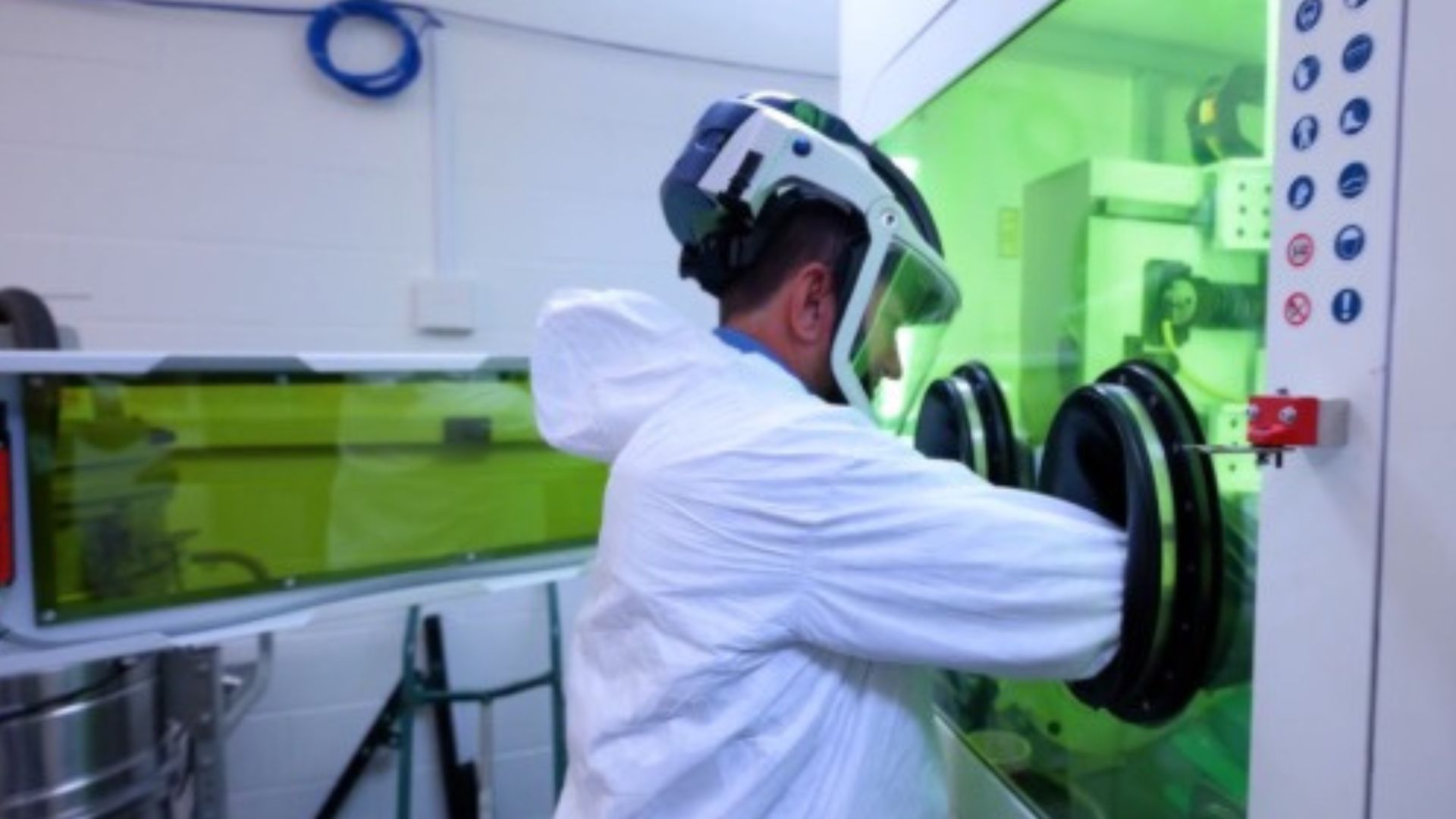
Argonne National Laboratory has submitted the first draft of a code proposal to enable 3D printing of vital nuclear reactor components.
The submission to the American Society of Mechanical Engineers seeks approval for Laser Powder Bed Fusion—a precise additive manufacturing process—to build components that must withstand extreme heat. This move could transform how the nuclear industry makes replacement parts and builds new reactors.
The research team includes Mark Messner, Xuan Zhang, and Yiren Chen from Argonne, working with scientists from Oak Ridge, Idaho, and Los Alamos National Laboratories.
READ ALSO: Lenovo’s 1000Wh Battery Reveal Signals More Than Just Better Battery Life
The work is part of the US Department of Energy’s Advanced Materials and Manufacturing Technologies program, which explores modern techniques for nuclear energy applications. The team used Argonne’s Additive Manufacturing Laboratory to develop and test their methods.
The problem is that traditional manufacturing for nuclear parts is slow and expensive. Reactor components must meet strict safety standards, and getting new designs approved can take years. The supply chain for specialized high-temperature alloys is limited, and replacement parts often have long lead times. This delays maintenance and makes new reactor construction more costly.
How Laser Powder Bed Fusion Works
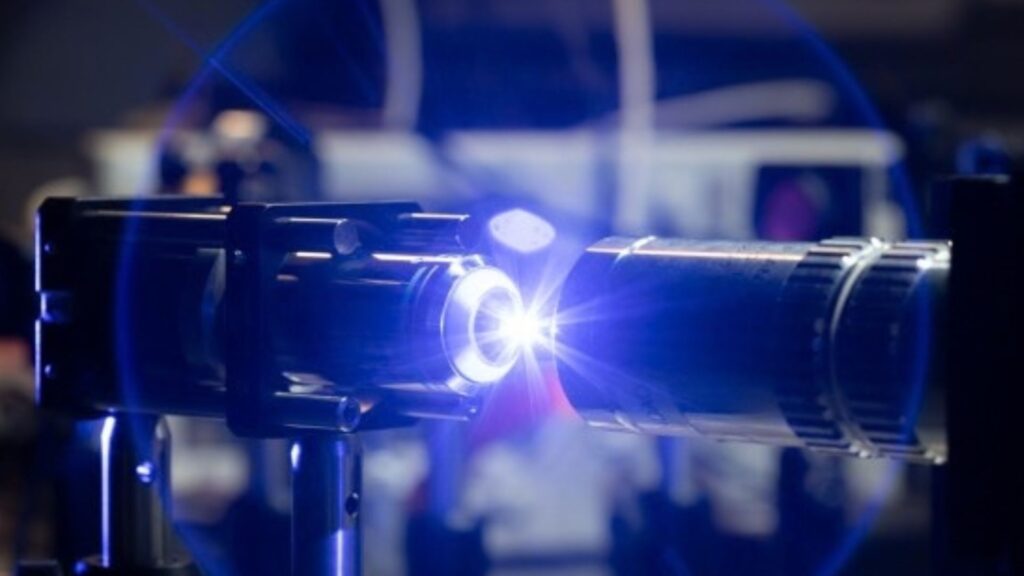
The machine spreads a thin layer of metal powder and uses a high-powered laser to melt specific areas based on a digital 3D model. It builds the part layer by layer, allowing complex internal geometries that cannot be made with conventional casting or forging. The process works with high-performance alloys needed for next-generation reactors.
WATCH ALSO: YouTuber captures lightning in a bottle during stunning experiment
Real-world benefits include faster production and more design flexibility. Manufacturers could print replacement parts on demand rather than wait months for forgings. Reactor designers could optimize components for better performance without being limited by traditional manufacturing constraints. The nuclear supply chain would become more resilient with distributed manufacturing capabilities.
The current limitation is that this is just the first step in a long approval process. The ASME code case must go through review and revision before becoming an accepted standard. The research focused on demonstrating that parts made with this process meet safety requirements, but widespread adoption will take time. Each reactor component type will need separate validation.
READ ALSO: US Secret Upgrade Keeps U-2 Alive in Deadly Skies: Here’s What Changed
Why This Matters
Advanced reactors designed to run at higher temperatures could be more efficient and economical if manufacturers can build them with modern techniques. The team plans to use machine learning to further speed up material qualification, aligning with the DOE’s Genesis Mission to apply artificial intelligence and supercomputing to energy challenges. Faster approval of new manufacturing methods could mean safer, more reliable nuclear power reaching the grid sooner.