Recent satellite images suggest that several radar systems linked to American missile defense batteries in the Middle East may have been damaged during Iranian strikes. These incidents highlight the crucial role of radar technology in modern conflicts.
Radar systems are among the most important technologies used in modern warfare. They act as the eyes of missile defense systems. Without radar, armies cannot detect incoming missiles or drones early enough to intercept them.
Destroying radar does not completely disable missile defense systems. However, it can significantly reduce their effectiveness.
What Radar Systems Are
Radar stands for Radio Detection and Ranging. It works by sending out radio waves that bounce off objects in the sky or on the ground. The radar receiver then captures the reflected signals and calculates the object’s distance, speed, and direction.
In military use, radar systems help detect aircraft, missiles, and drones long before they reach their target. This early warning allows air defense systems to respond quickly.
Missile defense systems rely heavily on radar to track incoming threats and guide interceptor missiles toward them.
READ ALSO: https://modernmechanics24.com/post/inside-bank-of-england-vault/
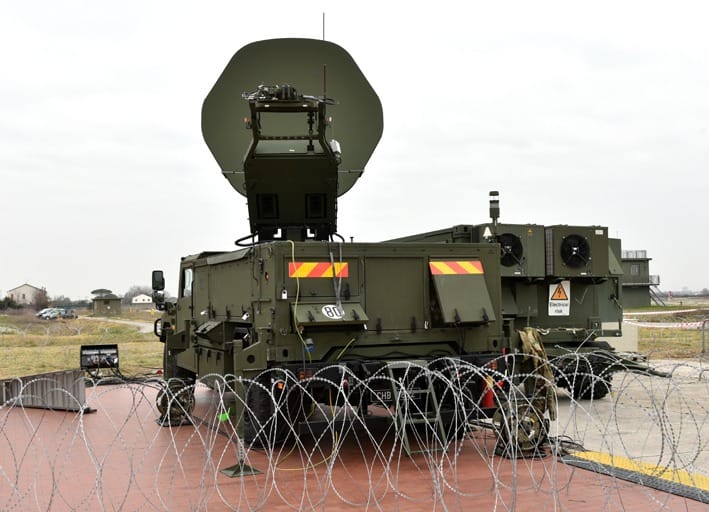
One of the most advanced radar systems used by the US and its allies is the AN/TPY-2 radar, produced by the American defense company Raytheon.
This radar works as the core component of the Terminal High Altitude Area Defense missile interception system.
According to the US Missile Defense Agency’s 2025 budget, the AN/TPY-2 radar costs almost $500 million, making it one of the most expensive components in the system.
How THAAD Missile Defense System Works
THAAD is designed to intercept and destroy ballistic missiles during the final phase of their flight. It uses interceptor missiles that hit incoming threats directly in the air.
The system has three main parts:
- A powerful radar system to detect and track incoming missiles
- Command systems to analyze the threat
- Interceptor missiles to destroy the target
The radar plays the most critical role because it provides the tracking data required for interception. The radar is often described as the heart of the THAAD battery.
Satellite Images Suggest Radar Damage
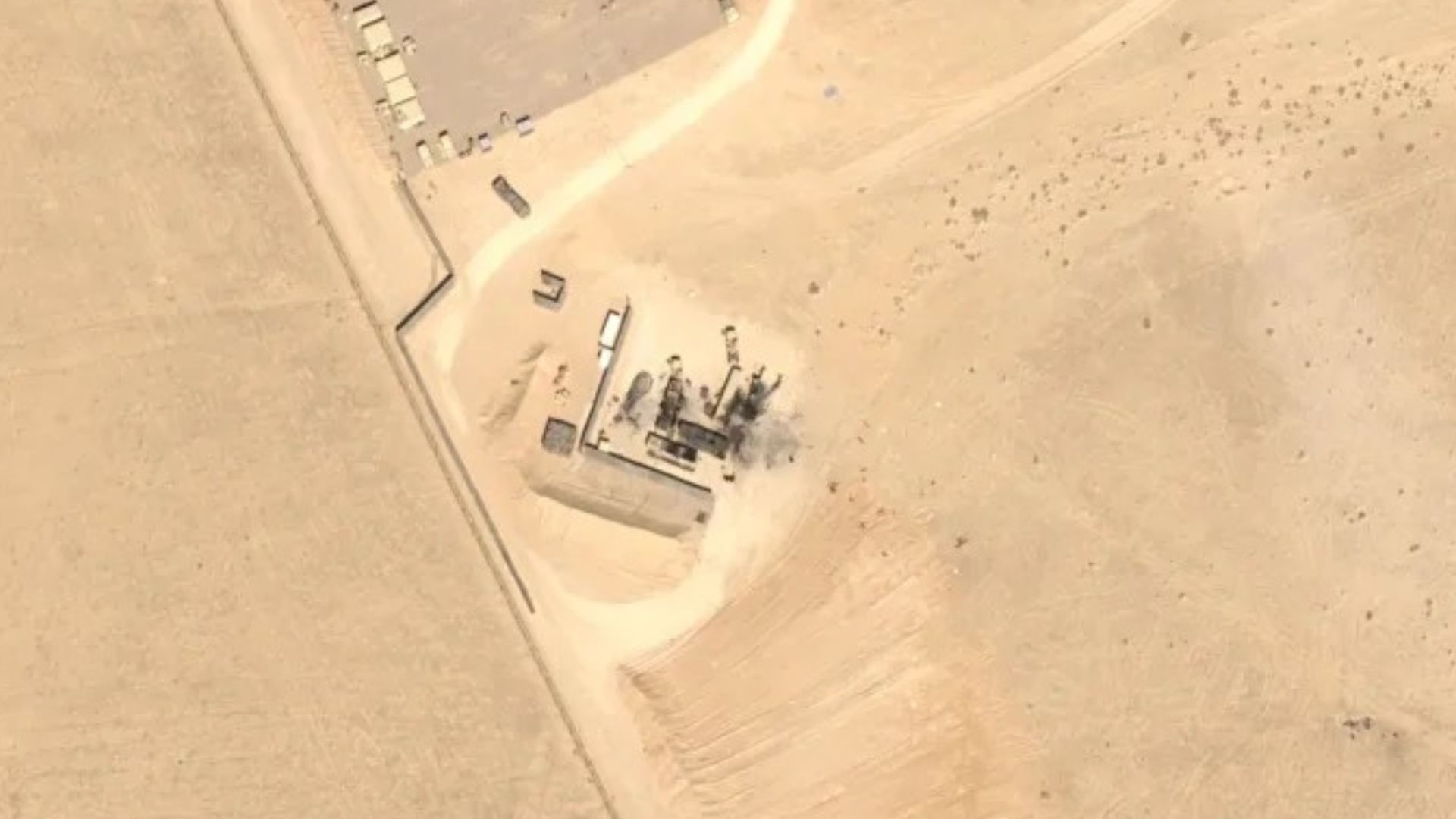
New satellite images indicate that a radar system associated with a THAAD battery at Muwaffaq Salti Air Base in Jordan may have been struck during the first days of the war. The base is located more than 500 miles from Iran and has been a major hub for US military activity.
WATCH ALSO: https://modernmechanics24.com/post/us-firm-sea-launcher-underwater-drones/
Images taken earlier this year showed dozens of aircraft at the base, including fighter jets, drones, and transport planes. However, a more recent satellite image shows two large craters in the sand near the radar position, suggesting that multiple strikes targeted the system.
The radar equipment, typically mounted on several large trailers, appears to have been severely damaged or destroyed. The THAAD battery had reportedly been deployed at the base since mid-February and may have been hit around March 1 or March 2.
Possible Radar Strike in Saudi Arabia
Satellite images also show possible damage at Prince Sultan Air Base, another key US military installation. Smoke can be seen rising from a radar site near the base in an image taken on March 1. At the site, a tent used to shelter a radar system appears to have been severely burned, with debris scattered around it.
READ ALSO: https://modernmechanics24.com/post/kyiv-war-strategy-armed-ground-robots/
Earlier satellite images showed a radar antenna inside the structure, positioned toward Iran. It remains unclear whether the radar was present at the time of the strike or whether the system belonged to the US or Saudi Arabia. Officials have not publicly confirmed the details.
Damage Reported at Radar Sites in UAE
Satellite imagery also shows damage at two military installations in the United Arab Emirates. The facilities are located near Ruwais and Sader.
At least seven buildings across the two sites appear to have been damaged between February 28 and March 1. Some of the structures that were hit are vehicle shelters used to store radar equipment for THAAD batteries.
Satellite images dating back several years confirm that radar components were regularly placed outside these shelters. However, analysts say it is still unclear whether the radar units were present when the strikes occurred.
Why Destroying Radar Matters in War
Radar systems are often primary targets during conflict. This is because radar enables a country’s air defense network to detect threats early and coordinate responses.
READ ALSO: https://modernmechanics24.com/post/lost-1897-robot-film-rediscovered/
If radar systems are damaged or destroyed, incoming missiles and drones may be harder to track. That reduces the time available to intercept them.
N.R. Jenzen-Jones, director of the research organization Armament Research Services, explained the importance of radar systems.
“The AN-TPY-2 radar is essentially the heart of the THAAD battery,” he said. “It enables interceptor missiles to launch and also contributes to the wider air defense network.” He added that the radar is extremely expensive and difficult to replace quickly.
“The loss of even one radar of this type would be operationally significant,” he said.
A replacement unit would likely have to be moved from another region, which could take time.
Radar Is Only One Layer of Defense
Even if radar systems are damaged, missile defense networks are designed with multiple layers of defense.
For example, THAAD systems are often deployed alongside Patriot Missile System batteries. These systems protect against different types of threats and help defend each other. THAAD has a large engagement zone, meaning it can protect a wide geographic area.
However, layered defense ensures better coverage against missiles, drones, and other airborne threats.
Recent reports suggest that Iranian strikes across the region have targeted several types of military infrastructure. These include communication networks, radar systems, and intelligence equipment at bases hosting American forces.
WATCH ALSO: https://modernmechanics24.com/post/china-military-modern-exercise/
Analysts believe the goal may be to disrupt these bases’ ability to share data and coordinate defenses. Satellite imagery has also shown damage to an early-warning radar system in Qatar.
Meanwhile, countries in the Gulf region have seen a sharp increase in missile and drone activity.
The United Arab Emirates reported that missile attacks dropped significantly after the early days of the conflict. However, drone attacks have continued at a high rate.
Modern warfare increasingly focuses on destroying an opponent’s sensors rather than just attacking troops or aircraft. Radar systems are a key part of this sensor network.
Without them, missile defenses lose much of their ability to detect threats early. As missile technology becomes more advanced and faster, radar systems are becoming even more important. For that reason, the military often treats radar installations as some of the most valuable assets on the battlefield.
Recent strikes on radar systems in the Middle East show that both sides recognize their importance. In modern war, controlling the skies often begins with controlling the radar that watches them.