Scientists have solved the mystery of why gravity is weaker over Antarctica than anywhere else on Earth.
A new study from the University of Florida reveals how slow rock movements deep underground created Antarctica’s “gravity hole” over millions of years. The research shows that changes in the region’s gravity are linked to major shifts in Antarctica’s climate and ice growth.
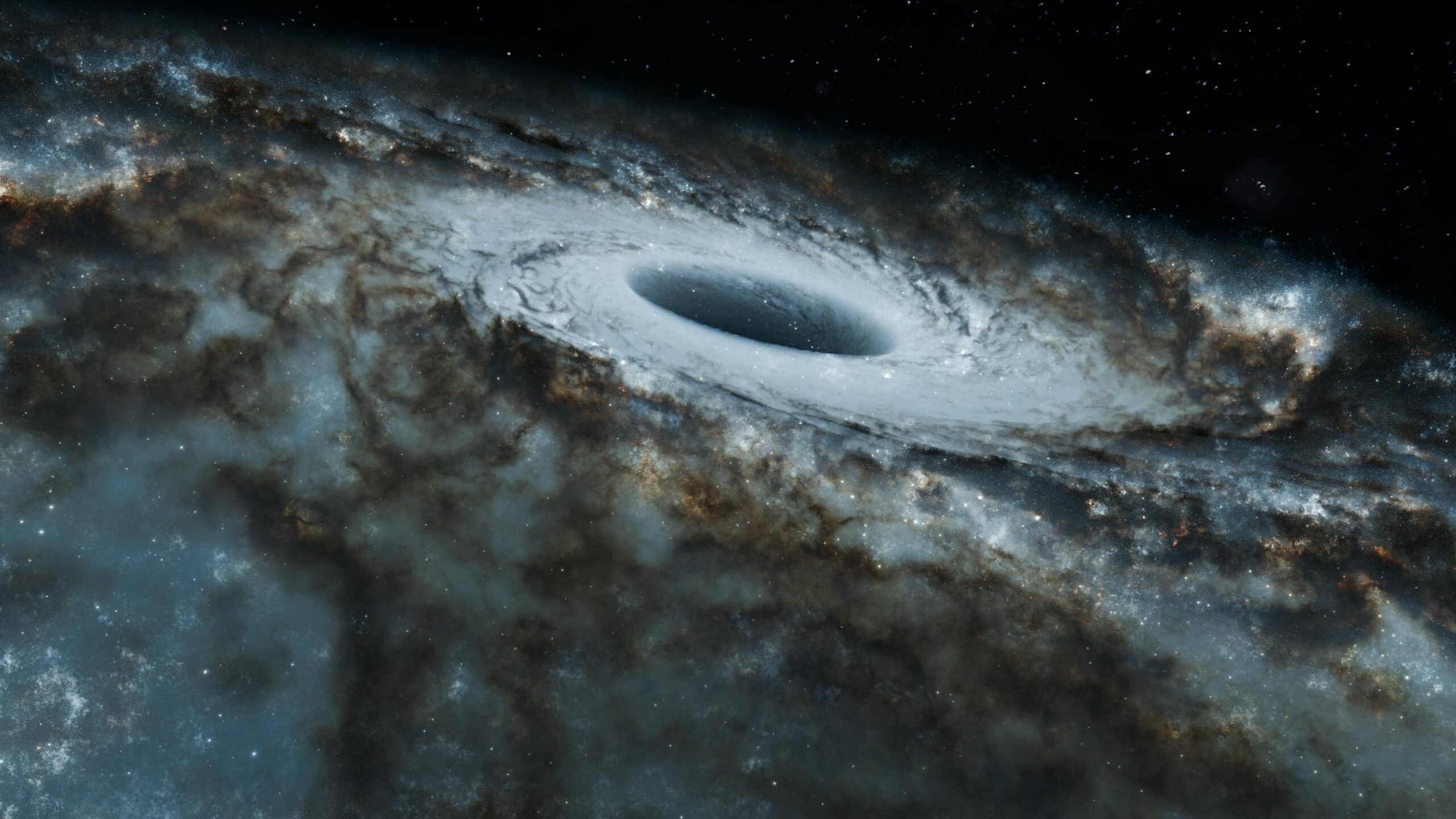
Gravity is not the same everywhere on Earth. The frozen continent of Antarctica sits above the planet’s biggest gravity low—meaning the pull of gravity there is measurably weaker than elsewhere. A new study has now traced how this gravity hole formed over tens of millions of years.
Alessandro Forte, Ph.D. , a professor of geophysics at the University of Florida, and Petar Glišović, Ph.D. , of the Paris Institute of Earth Physics, conducted the research. They published their findings recently in the journal Scientific Reports.
READ ALSO: https://modernmechanics24.com/post/roboparty-open-sourcing-humanoid-robots/
Scientists have known about Antarctica’s gravity hole for years but did not understand how it developed. This study explains the slow underground movements that shaped it, offering new insight into how deep Earth processes affect the surface.
Gravity varies because rock deep inside Earth has different densities. Denser rock pulls harder, while less dense rock creates weaker gravity. The team used earthquake waves—similar to a CT scan—to map rock structures thousands of kilometers below ground. They then ran computer models to rewind time and track changes over 70 million years.
Where gravity is weaker, the ocean surface sits slightly lower because water flows toward stronger gravity areas. Around Antarctica, this means sea levels are measurably lower than they would be without the gravity hole. These differences matter for understanding ocean behavior and ice sheet stability.
The models show the gravity hole started weaker and grew stronger between about 50 and 30 million years ago. That timing overlaps with when Antarctica began freezing over and developing its massive ice sheets. The researchers have not yet proven a direct cause, but the connection raises new questions.
WATCH ALSO: https://modernmechanics24.com/post/buildroid-ai-expands-robotics-platform/
The research reveals a direct link between slow rock movements deep inside Earth and the growth of Antarctica’s ice sheets. Understanding this relationship could help scientists predict how the frozen continent will respond to future climate change. As Forte put it: “How does our climate connect to what’s going on inside our planet?”