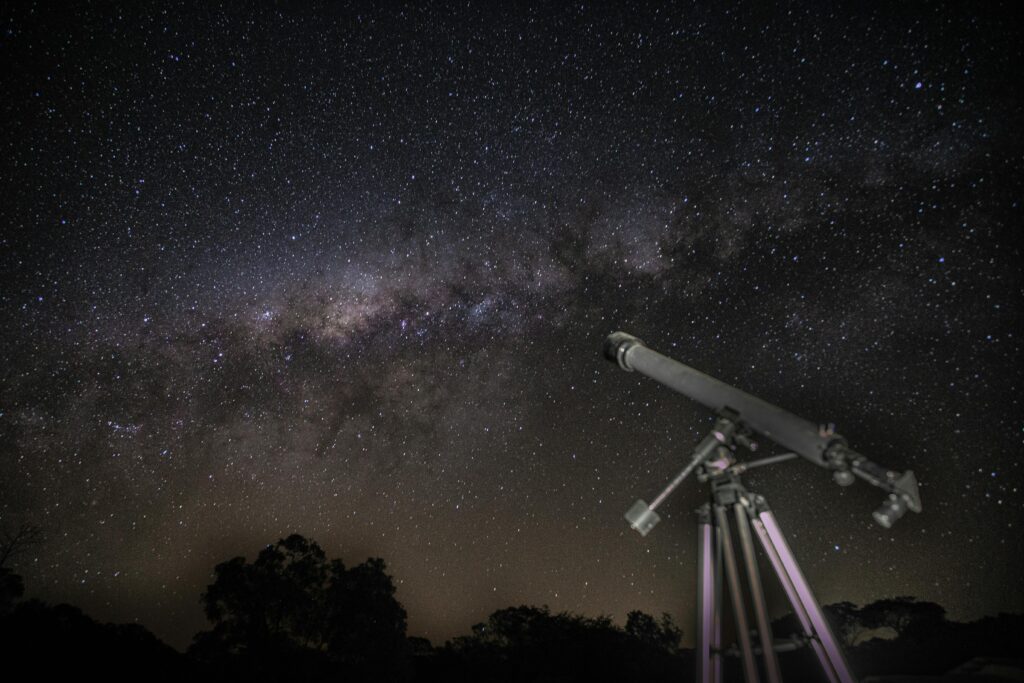
Astronomers using the world’s largest radio telescope array have captured the most detailed image yet of the turbulent gas clouds at the center of our galaxy. The new view reveals a 650-light-year-wide region packed with dense gas and dust where stars form in extreme conditions.
The Atacama Large Millimeter/submillimeter Array (ALMA) in Chile produced the image as part of the ACES survey. This is the largest image the telescope has ever taken, according to the European Southern Observatory (ESO) .
The image shows the Central Molecular Zone (CMZ), a region around the supermassive black hole Sagittarius A* at the Milky Way’s core. The area is filled with complex tendrils of cold gas and dust that flow along filaments and collapse into clumps where stars are born.
READ ALSO: https://modernmechanics24.com/post/engineers-cancer-eating-bacteria/
“It’s a place of extremes, invisible to our eyes, but now revealed in extraordinary detail,” said Ashley Barnes of the European Southern Observatory , a member of the research team. The galactic center is the only one close enough to Earth for scientists to study at this level of detail.
The team detected dozens of different molecules in the gas clouds. These range from complex organic molecules like methanol and ethanol to simple ones like silicon monoxide. The chemical makeup helps researchers understand what is happening in this chaotic environment.
Star formation in the CMZ is far more extreme than in other parts of the galaxy. The region hosts some of the most massive stars known, which live fast and die young in powerful supernova explosions.
Steve Longmore of Liverpool John Moores University , leader of the ACES project, explained the broader importance of the work. “We believe the region shares many features with galaxies in the early universe, where stars were forming in chaotic, extreme environments,” he said. Studying how stars are born in the CMZ can help scientists understand how galaxies grew and evolved over time.
WATCH ALSO: https://modernmechanics24.com/post/lightweight-materials-transform-aerospace/
The research is still in early stages. This first detailed image opens the door for deeper investigations into the life cycles of stars in extreme environments near a supermassive black hole. “This is just the beginning,” the team said, as they continue to analyze the rich data from the survey.