

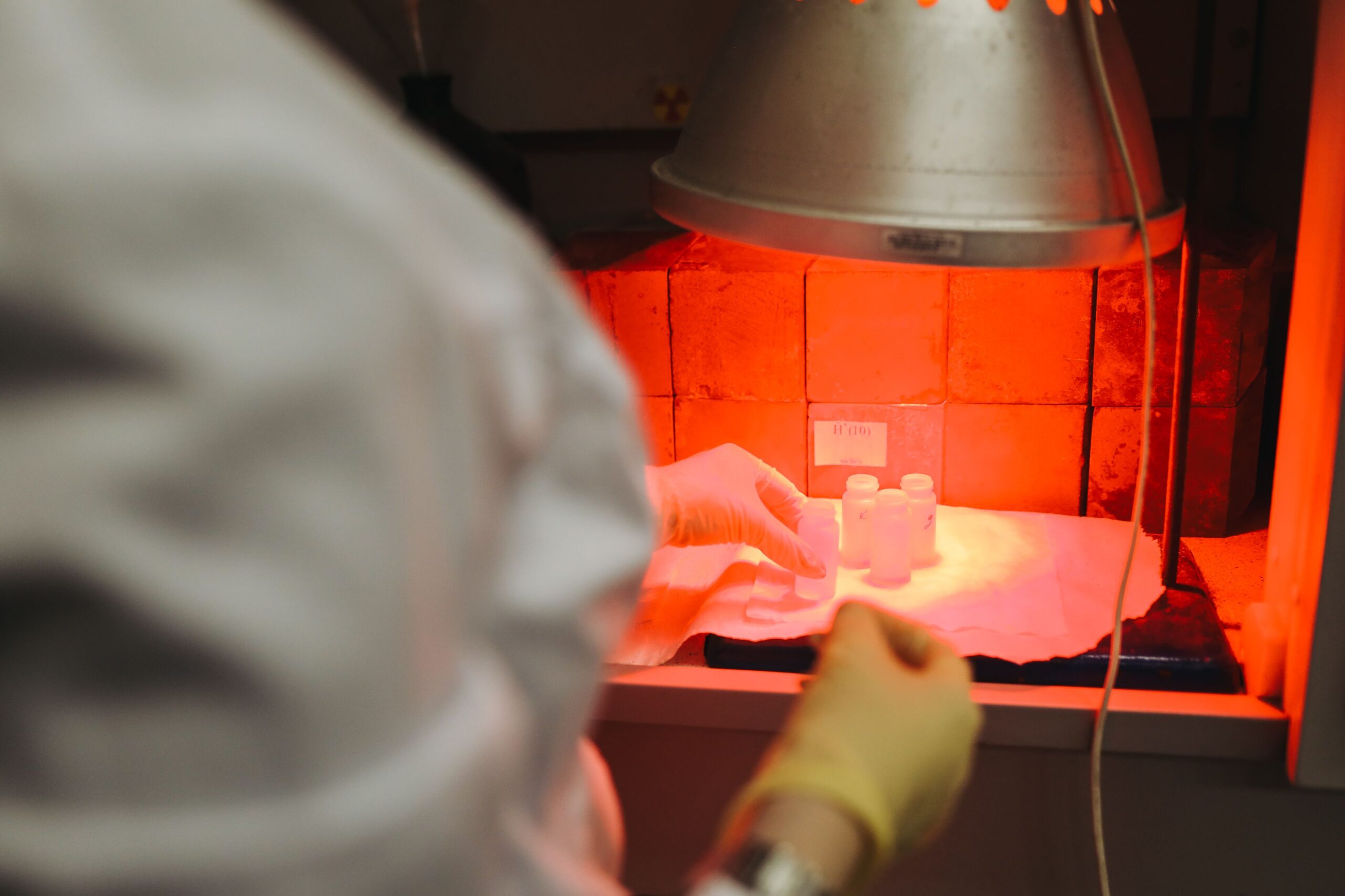
The US Department of War has awarded a $22.1 million contract to expand radiation testing facilities for defense microelectronics. The 24-month project will be carried out by Michigan State University, Trusted Strategic Solutions and Nucleon.
The project will build new testing infrastructure at Michigan State University’s Facility for Rare Isotope Beams (FRIB). It is designed to help test radiation-hardened microelectronics used in advanced defense systems and improve their ability to operate in harsh radiation environments.
Michigan State University, Trusted Strategic Solutions LLC and Nucleon are members of the National Center for Manufacturing Sciences Consortium. The project is being funded through the Industrial Base Analysis and Sustainment (IBAS) program.
READ ALOS: https://modernmechanics24.com/post/us-7-year-deals-pac3-thaad-production/
The new facility will be built alongside Linear Accelerator Segment 3 at Michigan State University’s superconducting radiofrequency FRIB facility. It will include a dedicated beamline and experimental station for radiation testing.
Space and other high-radiation environments can cause electronic components to malfunction. One important test is called Single Event Effects (SEE) testing, which checks how radiation particles can affect microelectronics.
The new system will use high-energy heavy and light ion beams to expose electronic components to controlled radiation. This will help researchers understand whether radiation-hardened chips can continue working reliably under extreme conditions.
Once operational, the facility is expected to provide up to 2,000 hours of SEE testing capacity each year. It will support heavy ions with energies of up to 150 MeV/u and light ions with energies reaching 300 MeV/u.
These capabilities are intended to expand US access to radiation testing that is currently limited within the country. The additional capacity could help defense companies and researchers test components without depending as heavily on overseas facilities.
Modern defense systems rely heavily on microelectronics. These chips can be used in systems that operate in demanding environments, where exposure to radiation can affect their performance.
By testing components before they are deployed, researchers can identify weaknesses and improve designs. This could make critical electronics more reliable and help reduce risks for advanced defense systems.
The Department of War said the project is part of a wider effort to strengthen the domestic defense industrial base. Since the IBAS program began in 2014, the department says it has invested more than $5.1 billion across 219 projects.
Assistant Secretary of War for Industrial Base Policy Michael Cadenazzi said the investment will help create a stronger domestic testing pipeline for radiation-hardened microelectronics and support the resilience of advanced defense systems.
The new testing facility is still under development and the contract runs for 24 months. Its full benefits will only become available once construction and installation are completed and the facility becomes operational.
The project also focuses specifically on radiation testing. It does not by itself solve every challenge involved in designing and manufacturing radiation-hardened microelectronics.
WATCH ALSO: https://modernmechanics24.com/post/india-naval-strike-power-missile-test/
The project could give US researchers and defense manufacturers greater access to advanced radiation testing within the country. That matters as modern military systems increasingly depend on electronics that need to remain reliable under difficult operating conditions.
The new infrastructure could also help strengthen the domestic supply chain for radiation-hardened microelectronics and support future defense technologies.








One Response