Lockheed Martin has broken ground on a new Munitions Production Center in Troy, Alabama, bolstering the US’s Arsenal of Freedom.
The new building, known as Building 47, will add 87,000 square feet of manufacturing space to the company’s existing operations. The expansion is designed to support growing demand for missile defense systems used by the US and its allies.
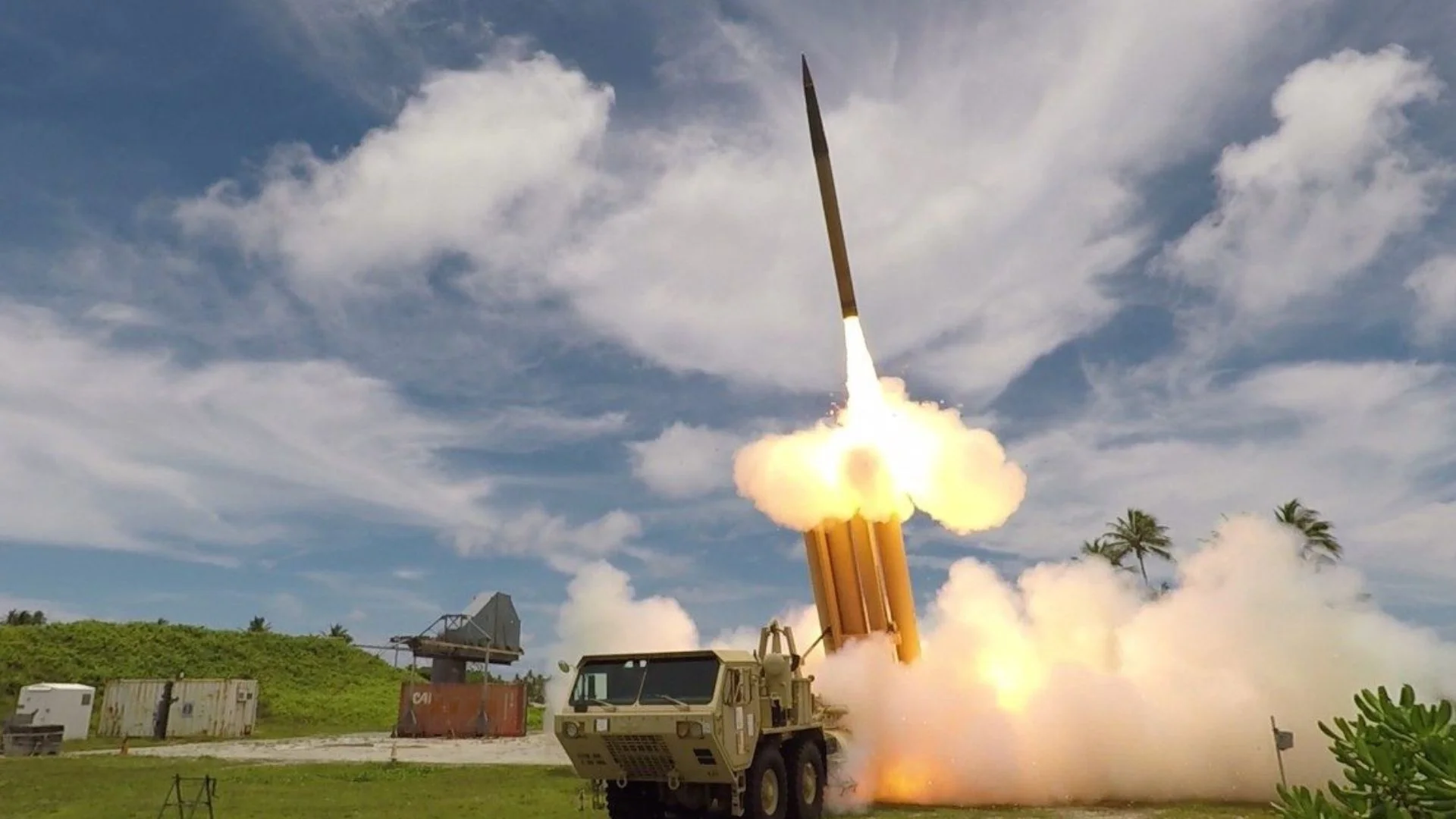
The facility will primarily support the production of Terminal High Altitude Area Defense (THAAD) interceptors. THAAD is a missile defense system designed to destroy incoming ballistic missiles during flight. It can intercept threats both inside and outside Earth’s atmosphere, giving military forces a wider defense range.
The new center will also support future work tied to the Next Generation Interceptor program. NGI is a future US missile defense project aimed at stopping advanced long-range missile threats. Lockheed Martin said the new building will help prepare for increasing production needs in the coming years.
The Alabama expansion is part of Lockheed Martin’s broader investment strategy across the US. The company plans to invest more than $9 billion by 2030 to increase munitions production capacity. More than 20 facilities across the country are already being upgraded or newly built as part of this effort.
Company officials said the Alabama project will nearly double the current production space in Troy. The expansion is also expected to create a large number of new jobs over the next three years. Lockheed Martin already employs nearly 4,000 people across Alabama.
THAAD Growing Demand
THAAD remains one of the most important missile defense systems used by the US military. The system is also operated by the United Arab Emirates and Saudi Arabia. Rising security concerns in several regions have increased interest in advanced missile defense technologies.
READ ALSO: MQ-9 Reaper Losses Matter: US Loses 20% Fleet, 24 Drones Worth $1B in Iran War
The THAAD system works together with the PAC-3 Missile Segment Enhancement interceptor. The systems create layered missile defense coverage for military forces. This combination improves the ability to intercept different types of missile threats during combat.
Lockheed Martin said the company has signed agreements to significantly increase production of several major defense systems. These include THAAD, the PAC-3 MSE interceptor, and the Precision Strike Missile program. The company added that the effort aligns with the Department of War’s Acquisition Transformation Strategy.
Michael Duffey, the Under Secretary of War for Acquisition and Sustainment, attended the groundbreaking ceremony in Alabama.
He said the partnership between the government and Lockheed Martin is helping speed up growth in US munitions production. Duffey described the new facility as an important step in strengthening defense readiness.
Lockheed Martin Chairman and CEO Jim Taiclet also spoke during the event. He said the company has already invested more than $1 billion into expanding defense production capacity.
Taiclet added that the investments are aimed at strengthening deterrence and ensuring that allied nations receive the necessary capabilities on time.
WATCH ALSO: Britain delivers laser-guided Air defense missiles to Ukraine six months ahead of schedule
Lockheed Martin’s Alabama operations continue to grow beyond the THAAD program. The company plans additional facility expansions in the state to support other missile and defense systems. These include the AGM-158 missile and the Air-Launched Rapid Response Weapon(ARRW).
The company said Alabama has become an important part of its long-term manufacturing strategy. Lockheed Martin currently operates more than 340,000 square feet of dedicated THAAD production space across nine US locations. Nearly 750 suppliers in 42 states support the system’s manufacturing network.
Supply chain stability has become a major focus for defense companies in recent years. Lockheed Martin recently hosted a supplier summit to accelerate munitions production and improve coordination with manufacturers. The company said stronger supplier relationships are necessary to meet future defense demands.
Lockheed Martin is also investing in local communities across Alabama. In 2025, the company awarded more than $640,000 in grants to 18 nonprofit organizations across the state.
READ ALSO: University of Utah and DARPA Launch SMART Hub for Critical Minerals Expansion
It also invested nearly $200,000 into a STEM education lab in Pike County Schools to support technology-based learning for students.
The expansion in Troy reflects a broader push by the US defense industry to accelerate production and improve readiness. Growing global tensions and rising demand for missile defense systems are driving companies to expand manufacturing capacity faster than before.