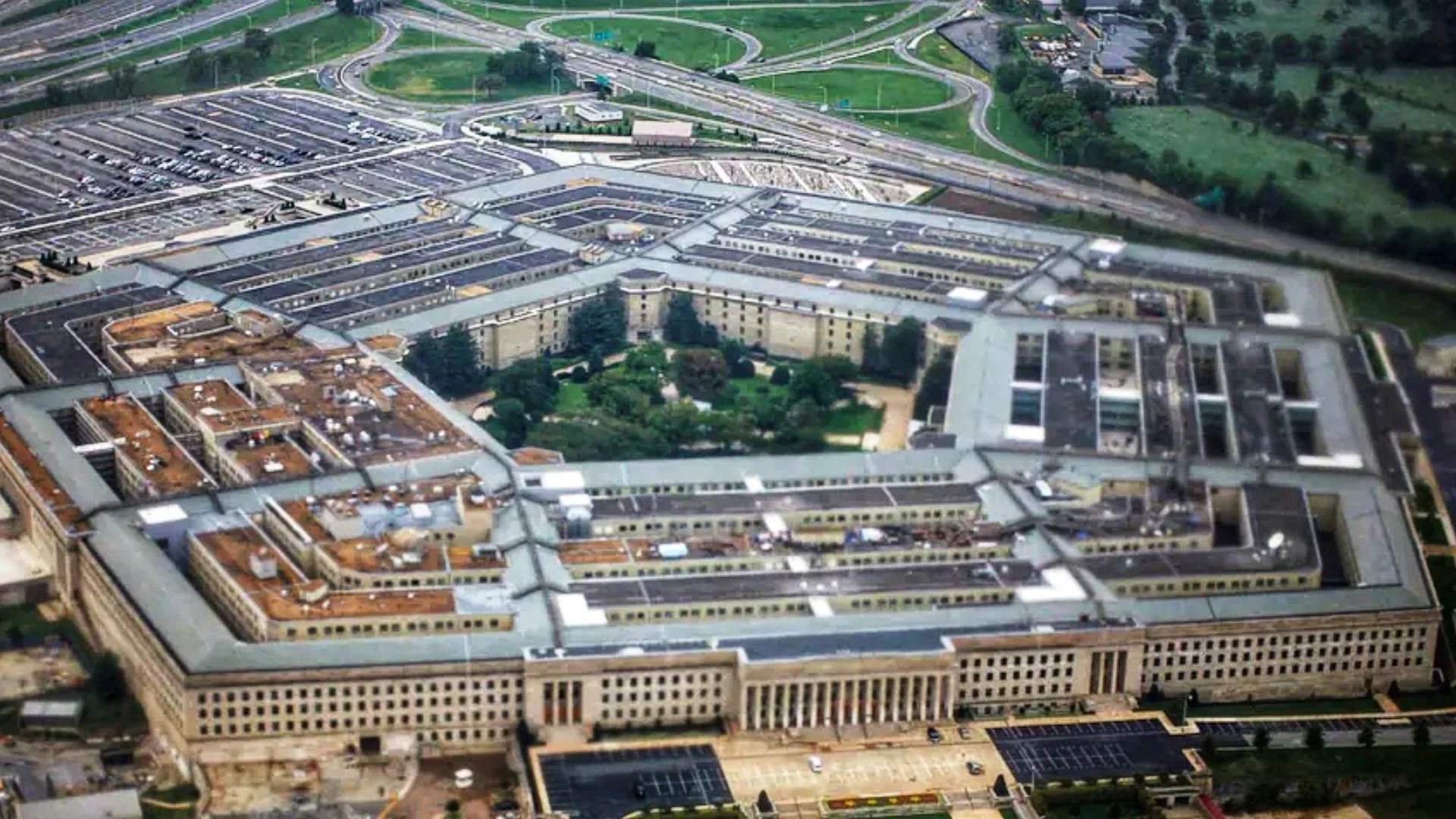
The Pentagon is exploring a major shift in how the US builds its naval fleet. Officials are considering outsourcing the design and construction of warships to allies such as South Korea and Japan.
The proposal includes a US$1.85 billion feasibility study as part of the 2027 budget. The study will examine whether the US Navy can adopt or co-produce advanced warship designs from these countries. The move aims to address growing pressure on America’s shipbuilding industry.
According to USNI News, the Pentagon is reviewing options to use proven foreign designs such as Japan’s Mogami-class frigates and South Korea’s Daegu-class vessels. These ships are already operational and built with modern systems.
If the plan moves forward, it would mark a historic change. The US has not purchased a major surface combatant from a foreign partner since World War II.
READ ALSO: A Heat-Safe Battery Debuts on NYC Rooftops: Here’s What Makes It Different
The discussion comes as the US Navy faces serious challenges. These include production delays, rising costs, and shortages of skilled labor in domestic shipyards. Officials are under pressure to deliver more ships quickly to maintain naval strength.
The initiative also reflects concern about China’s growing naval power. China is currently building between 6 and 10 destroyers per year. This rate is several times higher than the US rate, widening the gap in shipbuilding capacity.
Japan’s Mogami-class frigates are one of the key designs under consideration. These ships feature a 5,500-tonne stealth hull and advanced automation systems. They are built for speed and efficiency in modern naval operations.
South Korea’s Daegu-class frigates are another option. These ships are smaller, with a displacement of around 3,600 tonnes. They are known for their quiet propulsion systems, which make them harder to detect during missions.
WATCH ALSO: Chinese company’s humanoid robot has mastered Webster flip, defies physics
Both classes of ships are compatible with American systems. They use equipment such as the MK-41 vertical launching system, allowing easy integration with US Navy operations.
One major advantage of these foreign designs is cost and speed. A standard Mogami-class frigate costs about US$500 million and can be completed within two years by Mitsubishi Heavy Industries. This is far quicker and cheaper than US-built ships.
In comparison, the US Navy’s Constellation-class frigate has faced major setbacks. The program has seen delays of at least three years and rising costs exceeding US$1 billion per ship. These issues have slowed down fleet expansion plans.
The Constellation-class project was originally based on an Italian design. However, extensive changes required by the US Navy created complications. Combined with workforce shortages at domestic shipyards, the program struggled to stay on track and was eventually canceled.
READ ALSO: Cambridge Brain-Inspired Chip Cuts AI Power Use by 70%: What’s Behind the Breakthrough?
The urgency of the situation has been highlighted by senior officials. Russ Vought, head of the White House budget office, stressed the need for faster solutions. He said, “We need ships right now. If traditional sources fail to deliver on time and cost, we will turn to other shipyards.”
Former Navy Secretary John Phelan also confirmed that the Navy has been directed to study the possibility of using foreign-built ships. He shared this information shortly before his dismissal, indicating how serious the issue has become.
Under the proposed plan, the US Navy may not only use foreign designs but also build some ships in overseas shipyards. This would help speed up production but raises significant legal and political challenges.
Current US law requires that Navy vessels be built domestically. These rules aim to protect national security and support American jobs. Any exception would need special approval from the president.
Such a move is expected to face strong resistance. Domestic shipbuilders, labor unions, and members of Congress are likely to oppose outsourcing ship construction to foreign partners.
To address these concerns, officials are exploring alternative approaches. One option is to allow foreign defense companies to invest in and upgrade US shipyards. This would bring advanced technology and management practices into the American industry.
A recent example is Hanwha Group’s acquisition of the Philly Shipyard in Philadelphia. This deal has been cited as a potential model for boosting US shipbuilding capacity through foreign investment.
WATCH ALSO: A South Korean humanoid robot has performed Michael Jackson’s Moonwalk, leaving all viewers stunned
Ben Reynolds, a senior Navy budget official, supported this idea. He said, “We need foreign partnerships that can strengthen our shipyards inside the US.”
Meanwhile, allies are already moving ahead with similar collaborations. Australia has ordered 11 upgraded Mogami-class frigates in a deal worth US$14.4 billion. The first ships will be built in Japan, while the remaining vessels will be constructed in Australia. Delivery of the first ship is expected by 2029.
As the Pentagon reviews its options, the debate reflects a larger shift in global defense strategy. The US is balancing the need to maintain its industrial base with the need to respond to rising competition at sea.
The outcome of the feasibility study will play a key role in shaping the future of the US Navy. Whether through foreign partnerships or domestic reforms, the pressure to expand naval power quickly is becoming impossible to ignore.