NASA is advancing a bold new plan to return humans to the Moon by deploying a fleet of hopping drones to explore the challenging south pole of the Moon.
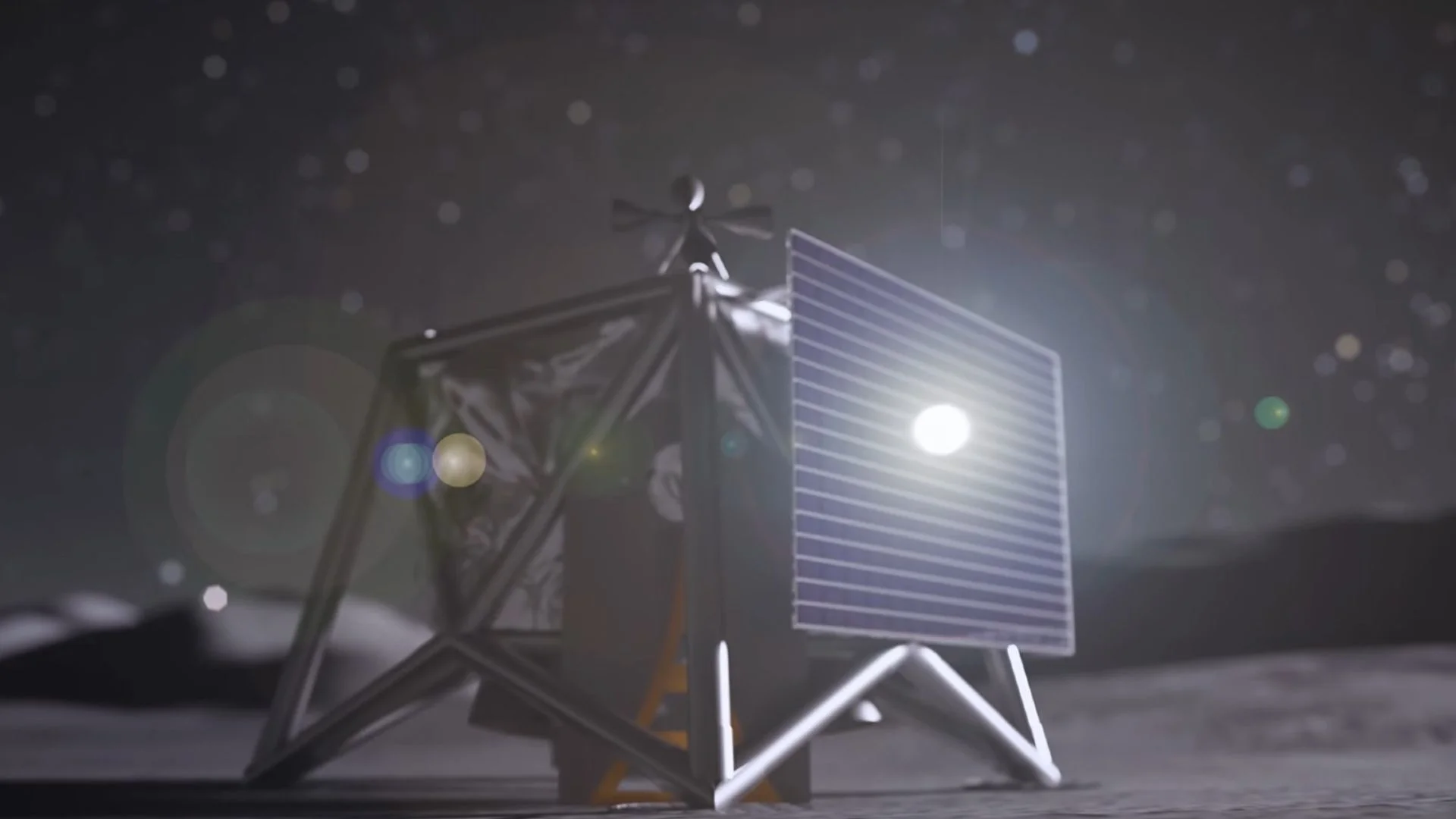
The project is called MoonFall. It focuses on deploying small robotic drones that can hop across the Moon instead of rolling. These machines will scan the terrain, collect data, and help prepare for future astronaut missions under the Artemis Program.
This effort follows major changes proposed to NASA’s Moon strategy. During a recent Ignition event on March 24, NASA chief Jared Isaacman called for faster and more efficient missions. He emphasized removing delays and using both government and private industry to accelerate progress.
As part of that vision, MoonFall stands out as a key step toward building a long-term human presence on the Moon.
READ ALSO: Hivemind Flies On Hornet As Shield AI And Destinus Achieve Rapid Autonomy Integration In Two Months
MoonFall: A Way to Explore the Moon
MoonFall will send four drones to the lunar south pole. Each drone will carry cameras and scientific instruments. Together, they will capture detailed images of the surface.
Ray Baker, who leads the project at Jet Propulsion Laboratory, explained the goal clearly. “Our goal is that each drone can cover a range of roughly 30 miles and get that done by the end of 2028,” he said.
Each drone will carry 10 cameras and sensors. That means the mission will deploy a total of 40 imaging systems across the Moon’s surface. These images will later be combined to create a detailed map of the region.
This mapping will help scientists identify safe landing sites. It will also guide where future equipment and habitats might be placed for astronauts.
MoonFall builds on lessons learned from the Ingenuity Mars Helicopter. That small helicopter made history by completing 72 flights on Mars alongside the Perseverance Rover.
WATCH ALSO: This Microsoft AI Could Change Cancer Treatment Forever
Baker said the team is using that experience as a foundation. “We are going to use everything we learned from Ingenuity and combine it with new industry capabilities,” he said.
Like Ingenuity, the MoonFall drones will use smart navigation systems. They will detect hazards and choose safe landing spots independently. This is critical because communication delays make real-time control from Earth difficult.
When each drone approaches a landing area, it will scan the ground and determine a safe landing spot. This ability enables the drones to explore rough, unpredictable terrain.
Why Moon’s South Pole Matters
The lunar south pole is one of the most important targets for future missions. It contains areas that stay in shadow for long periods, possibly holding water ice. That ice could be used for drinking water, oxygen, and even rocket fuel.
READ ALSO: France’s 68mm Anti-Drone Rocket for Rafale and Tiger Fills Missile Defense Gap
However, the region is also extremely challenging. It has steep slopes, deep craters, and uneven ground. Traditional rovers would struggle to move efficiently there.
That is where hopping drones offer a major advantage. They can jump over obstacles and reach places that wheels cannot.
One of the most interesting parts of MoonFall is how the drones will be deployed. Instead of landing with a large spacecraft, they will be released during descent toward the Moon.
This approach reduces both cost and risk. It avoids the need for a heavy landing system. It also allows the mission to focus on speed and flexibility.
Baker highlighted this advantage. He explained that using industry partners for transport and propulsion systems will help keep the mission efficient and aligned with NASA’s goals.
The MoonFall project is moving quickly. NASA plans to select its industry partners by June this year. Development work is already underway.
Later this year, the team will begin testing key systems. These include navigation and control sensors through captive carry tests.
WATCH ALSO: From Ice to Innovation: US Coast Guard Deploys Drones in Antarctic Mission
By late summer 2027, the drones will go through full spacecraft integration and testing. The final delivery to the launch site is expected in 2028.
“It’s going to be fast-paced,” Baker said. “We believe we can do it.”
While the project’s cost has not been announced yet, NASA remains confident. The agency believes it can deliver the mission on time by working with private companies.
MoonFall is not just about robots. It is about preparing the way for humans. The data collected will directly support future Artemis missions and the goal of building a lunar base. However, these small hopping drones can change how we explore not just the Moon, but other worlds as well.