Researchers are studying whether building a massive dam between Alaska and Russia could help protect one of the planet’s most important ocean systems.
The proposal focuses on the Atlantic Meridional Overturning Circulation (AMOC), which plays a key role in regulating the global climate.
The concept involves building a series of dams across the Bering Strait to block water flow between the Pacific and Arctic Oceans. Scientists say this could slow down changes in ocean circulation that are linked to global warming. But they also warn that the idea comes with serious risks and many unknowns.
The research is conducted by scientists at Utrecht University. The study was published in the journal Science Advances. It explores how altering ocean connections might influence the future of the AMOC.
READ ALSO: Humanoid Robot Malfunction at China University Ignites Debate on AI Safety and Control
The AMOC is a vast system of ocean currents. It carries warm, salty water from the tropics toward the North Atlantic. As this water moves north, it cools and sinks, then flows back south at deeper levels. This constant movement helps regulate temperatures across large parts of the world, especially in Europe.
Because of this system, northern Europe enjoys a relatively mild climate despite its high latitude. Without it, temperatures in the region would be much colder. The AMOC also supports marine ecosystems and influences weather patterns across Africa and the Americas.
However, scientists are increasingly concerned about its future. Studies show that the AMOC is weakening. Recent research suggests it may slow down by 43% to 59% by the end of this century. That is a much sharper decline than earlier models predicted.
If the system collapses, the effects could be severe. Northern Europe could face a sharp drop in temperatures. Parts of the world may experience drought. Sea levels along the northeastern coast of North America could rise by at least 50 centimeters. Food production systems may also be disrupted.
WATCH ALSO: Researchers from German have developed a diving robot that can easily collect underwater waste
“The evidence is pointing towards collapse, but it is very uncertain,” said Jelle Soons, the study’s lead author.
Scientists believe global warming is the main driver behind this risk. Warmer ocean temperatures can prevent water from cooling and sinking, which is essential for the AMOC cycle. At the same time, melting ice adds fresh water to the ocean, reducing its salt content and making it harder for water to sink.
The idea to block the Bering Strait comes from looking at Earth’s past. Around 3 million years ago, during the mid-Pliocene period, the AMOC was stronger. At that time, a natural land bridge closed off the Bering Strait. This limited the flow of water between the Pacific and Arctic oceans.
“So I wondered what would happen if we closed off the Bering Strait again,” Soons said.
To test this idea, Soons and his colleague Henk Dijkstra used computer models. They simulated what would happen if the strait were blocked.
Their design involves building three large dams across the 82-kilometer-wide strait. Two islands sit in the middle, so multiple structures would be needed. The longest dam would stretch about 38 kilometers.
READ ALSO: THAAD Kill Vehicle Found Intact in Syria: What Secrets Did It Leave Behind?
In some cases, closing the strait helped strengthen the AMOC. This happened when carbon dioxide levels were lower, and the system was only slightly weakened. In these scenarios, the dam appeared to support ocean circulation and delay further decline.
But the results changed under different conditions. When the AMOC was already weak, closing the strait made things worse. Instead of stabilizing the system, it accelerated its decline.
“This is not a straightforward solution,” said Jonathan Baker from the UK Met Office.
Other scientists share this cautious view. Aixue Hu from the National Center for Atmospheric Research said the results are interesting but uncertain. He noted that the impact depends heavily on both carbon dioxide levels and the current strength of the AMOC.
Even if the dam works in some cases, its long-term effects remain unclear.
From an engineering perspective, the project is challenging but not impossible. Soon, it was compared to large existing dams, such as the Afsluitdijk in the Netherlands and the Saemangeum Seawall in South Korea. These structures are similar in size, though they were built in calmer waters.
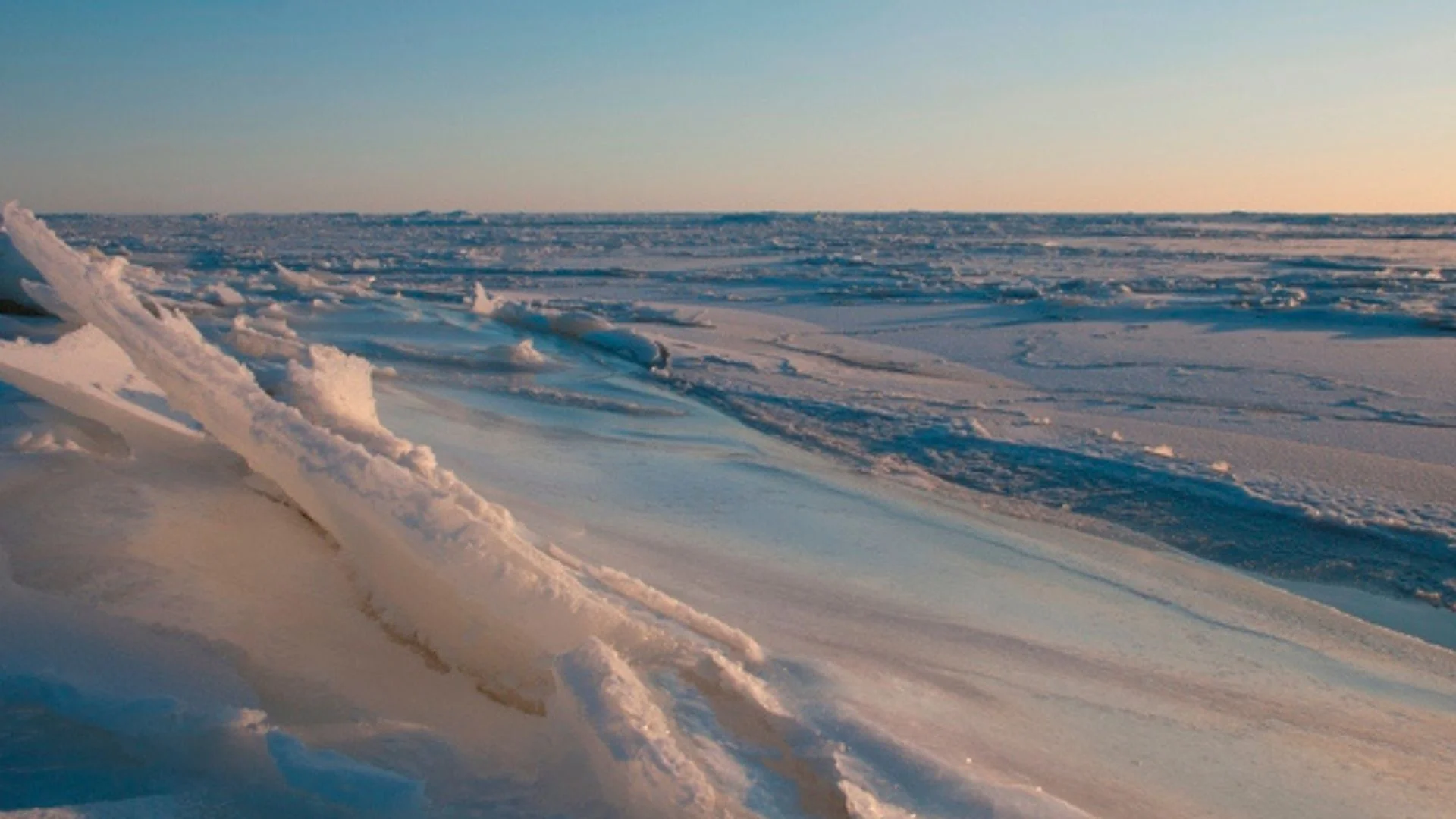
The Bering Strait, by contrast, is a harsh and remote environment. It has strong currents, sea ice, and extreme weather conditions. It also lies between two major global powers, adding political complexity to any project.
WATCH ALSO: World’s largest nuclear fusion research project ITER has reached a new milestone
Beyond engineering challenges, the environmental impact is a major concern. Blocking the strait would change how water, heat, and nutrients move between oceans. This could disrupt marine ecosystems and affect fish populations.
It could also impact Indigenous communities who rely on the region for food and trade. Shipping routes may also be affected, altering global transport patterns.
“Blocking the strait would alter the exchange of water, heat, nutrients, and marine life,” Baker said. “Any intervention of this scale needs careful consideration.”
The researchers stress that their findings are still early. More detailed modeling is needed to understand how the system would behave under different climate scenarios.
Scientists agree that reducing greenhouse gas emissions remains the most effective way to protect the AMOC.
“Closing the Bering Strait may delay collapse in some cases, but it does not remove the underlying risk,” Baker said. “The most reliable way is cutting emissions.”
READ ALSO: Knotted Fibers Snap Into Action, Launch Tiny Robots With Seed-Planting Power
The study highlights both the urgency of the climate challenge and the lengths to which scientists are willing to go to explore it. While the idea of a giant Arctic dam captures attention, it also raises serious questions about risks, feasibility, and unintended consequences.
However, the proposal remains a theoretical solution. But it adds a new dimension to the global conversation about protecting important systems that sustain life on Earth.