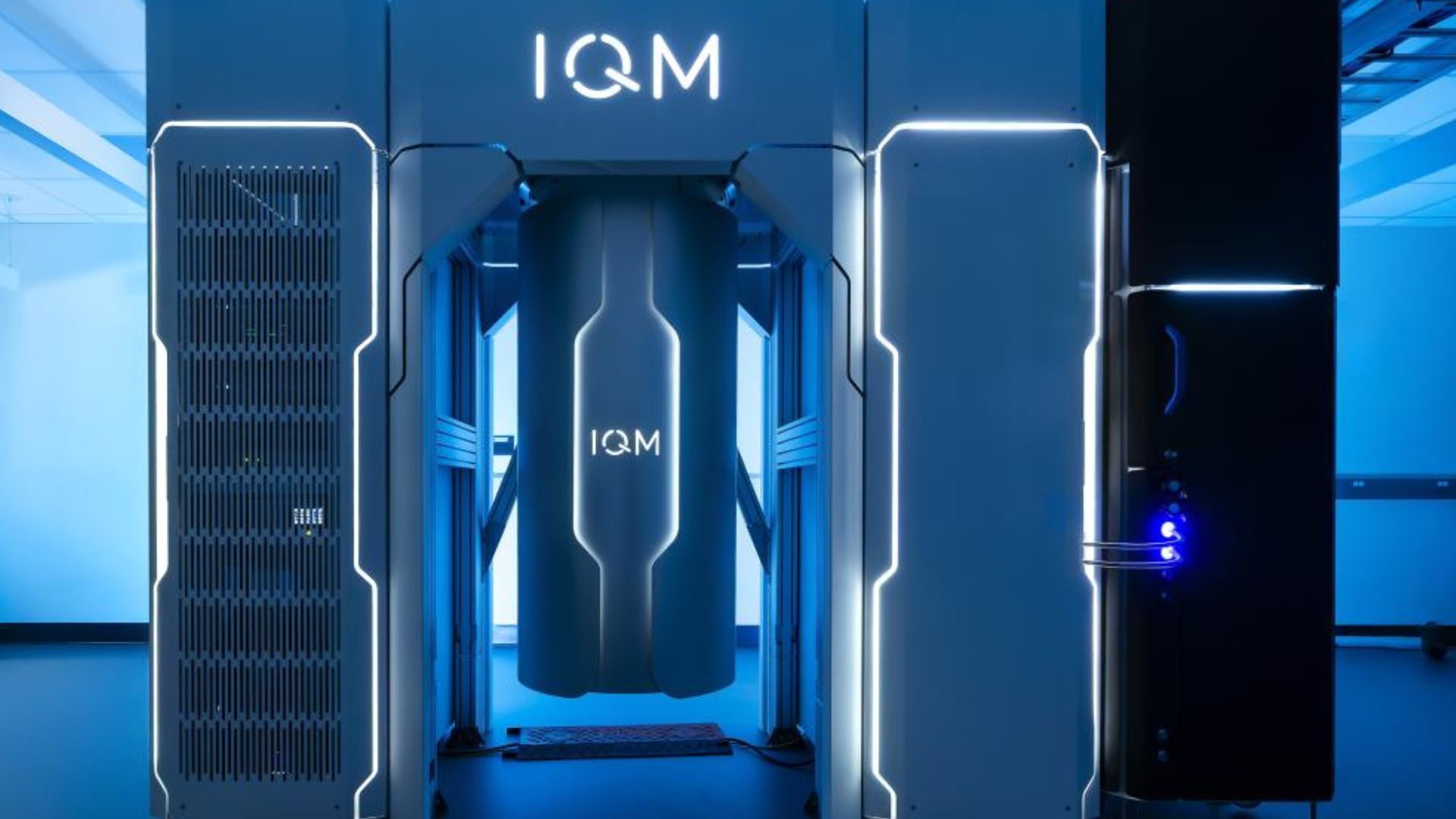
Oak Ridge National Laboratory (ORNL) has expanded its advanced computing capabilities by installing a new 20-qubit IQM Radiance quantum computer on its campus.
The system, named Pathfinder, will support research to combine quantum computing with classical high-performance computing (HPC). It officially began operations on June 16 inside the Quantum Computer Deployment Lab at ORNL’s Translational Research Capability building.
The addition of Pathfinder marks another step in the US Department of Energy’s efforts to develop next-generation computing technologies. Researchers will use the new machine to test software, design new algorithms, and improve how quantum and classical computers work together. The project also strengthens ORNL’s role as one of the country’s leading research centers for advanced computing.
ORNL Director Stephen Streiffer said the laboratory continues to expand access to advanced computing systems for researchers.
He added that the new quantum computer supports the laboratory’s commitment to helping the United States remain a leader in quantum science and technology. The system was purchased through the Department of Energy’s Institutional Capital Equipment program.
IQM Pathfinder Powers Hybrid Computing
Pathfinder is the first IQM quantum computer installed on-site in the US. IQM Quantum Computers, headquartered in Finland and founded in 2018, develops complete quantum computing systems for research and commercial use. The company described the installation as an important milestone in expanding its presence beyond Europe.
IQM Chief Executive Officer and Co-founder Jan Goetz said placing the company’s first US-based on-premises system at ORNL gives leading researchers direct access to advanced quantum technology.
He said this partnership will help accelerate the adoption of quantum computing and strengthen global collaboration. The installation also supports the long-term development of practical quantum applications.
The new system joins Quoll, a six-qubit Quantum Brilliance quantum cluster installed at the Oak Ridge Leadership Computing Facility in September 2025. Together, the two systems will support the laboratory’s work on quantum-centric high-performance computing, often called QHPC. This approach combines the strengths of quantum processors with traditional supercomputers to solve complex scientific problems more efficiently.
Researchers at ORNL’s Quantum Science Center will use both systems to develop new computing methods. Their work includes applications in materials science, chemistry, and artificial intelligence. Scientists also aim to create software that works across different quantum hardware platforms instead of relying on vendor-specific tools.
Understanding Quantum Systems
Quantum computers process information differently from conventional computers. Traditional computers use bits that represent either a zero or a one, while quantum computers use qubits that can represent multiple states at the same time. This property allows quantum systems to perform certain specialized calculations much more efficiently.
Despite their potential, quantum computers remain difficult to operate. Their qubits are highly sensitive to heat, vibrations, electromagnetic interference, and even cosmic radiation. These factors can introduce errors and reduce the accuracy of calculations.
The IQM Radiance system uses superconducting technology to overcome some of these challenges. Superconducting qubits operate without electrical resistance only at extremely low temperatures. Keeping the hardware cold helps preserve the delicate quantum states required for calculations.
Pathfinder is cooled using a Bluefors cryogenic system that lowers temperatures to just above absolute zero. Helium compressors first cool the system to four kelvin before a gas-handling system reduces the operating temperature to below ten millikelvin. These conditions help the superconducting components function reliably during quantum operations.
Building Open Software
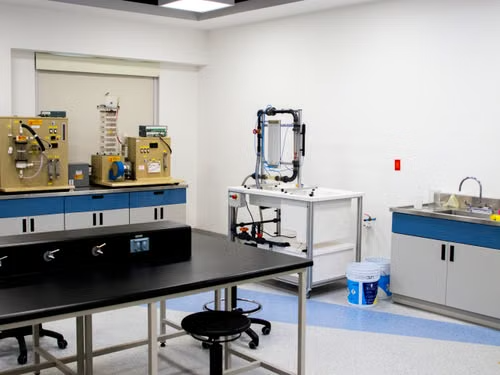
ORNL completed its Translational Research Capability building in 2025 to support advanced quantum research. The facility includes specially designed laboratories that reduce vibration levels, protecting sensitive quantum hardware from environmental disturbances. This controlled environment allows researchers to operate delicate equipment with greater stability.
READ ALSO: New ETH Zurich Pixel Sees and Displays at Once, Redefining How Light Is Used
Although Pathfinder is housed inside the TRC building, it will connect directly with high-performance computing systems located elsewhere on the ORNL campus. Those systems operate within the National Center for Computational Sciences Technology Integration Group’s testing environment. The connection allows researchers to evaluate hybrid computing workflows using real hardware instead of software simulations.
Scientists are developing an open software platform that works across multiple quantum computer manufacturers. Most quantum systems currently rely on proprietary software, making integration between different platforms more difficult. ORNL aims to simplify this process by creating common interfaces that support different hardware without requiring major infrastructure changes.
HPC systems software engineer Amir Shehata leads the IQM integration effort within ORNL’s Quantum-HPC Group.
He said researchers have previously relied on software simulators to test their computing architecture. With Pathfinder and Quoll now available, the team can verify those designs using physical quantum computers.
Future Research Direction
The Quantum Science Center and the Oak Ridge Leadership Computing Facility will work closely on future development using both quantum systems. Their goal is to improve hybrid computing by combining quantum processors with some of the world’s most powerful supercomputers. This work will support scientific research that requires computing power beyond the limits of conventional systems alone.
The Oak Ridge Leadership Computing Facility operates Frontier, one of the world’s leading exascale supercomputers, while the Quantum Science Center serves as a Department of Energy National Quantum Information Science Research Center. These facilities provide a strong foundation for developing practical quantum computing technologies. The combination of classical and quantum resources offers researchers greater flexibility for solving increasingly complex scientific challenges.
As quantum hardware continues to improve, systems like Pathfinder are expected to play a larger role in scientific computing. The experience gained through hybrid computing research at ORNL will help shape future software and hardware integration and real-world applications. These efforts are expected to support advances across fields ranging from artificial intelligence and chemistry to energy research and advanced materials.