The US Army’s Integrated Battle Command System (IBCS) has completed its 34th consecutive successful missile flight test and achieved its 44th successful intercept.
The demonstrations took place in late April at White Sands Missile Range. They confirmed the system’s ability to integrate multiple air defense assets into a single coordinated network.
Defense Network Integration
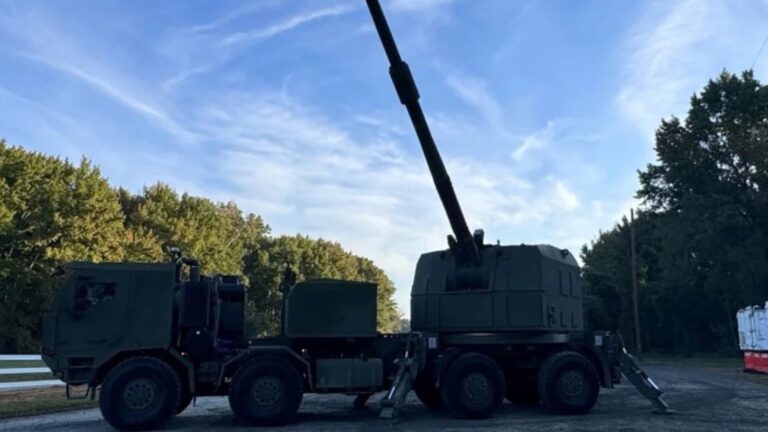
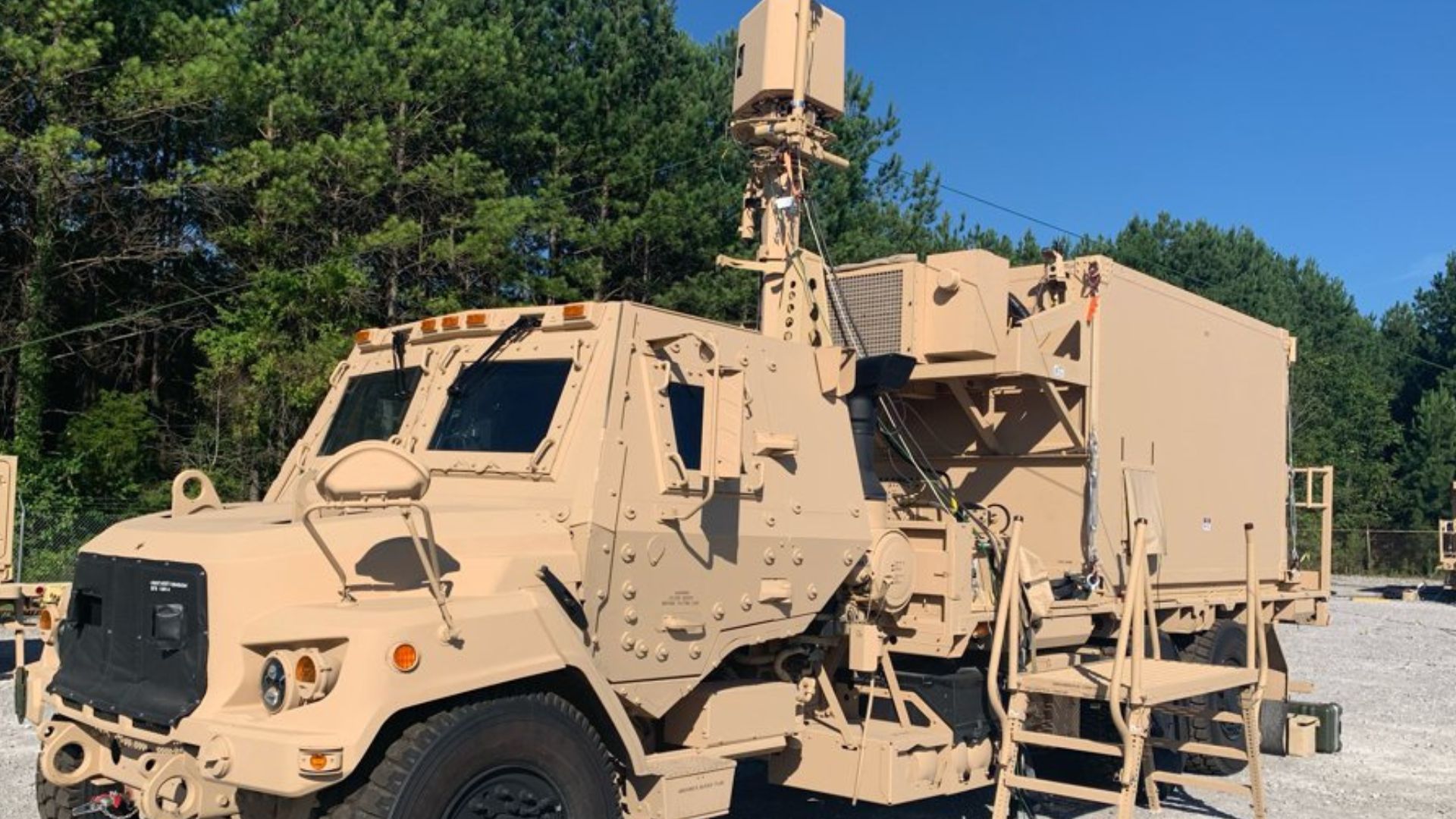
One live-fire event tested IBCS alongside the Army’s Indirect Fire Protection Capability (IFPC). The ground-based defense system is designed to destroy threats such as cruise missiles and uncrewed aircraft systems. During the exercise, IBCS worked with the Sentinel A4 surveillance radar to detect and track incoming targets.
Another demonstration focused on integrating the Lower Tier Air and Missile Defense Sensor (LTAMDS) radar. IBCS identified the target, assigned the engagement, and supported a successful interception. The event showed that the command system can operate effectively with different radar and defense platforms.
How IBCS Works
IBCS serves as a central command network, combining information from multiple sensors into a single operational picture. Instead of relying on a single radar or weapon, it shares data across connected systems to improve coordination. This approach helps military operators detect threats earlier and respond more efficiently.
The system also provides highly accurate targeting information for missile engagements. Better accuracy reduces unnecessary missile launches and helps preserve available interceptor stocks. It also lowers the risk of friendly forces being mistakenly targeted during operations.
READ ALSO: AI Reveals Water Molecules Switch Between Two Liquid States, Solving a Century-Old Mystery
Growing Operational Role
Northrop Grumman said the latest tests demonstrate IBCS’ ability to coordinate complex air defense missions across different systems.
Vice President and General Manager Kenn Todorov said the successful flight test reflects the system’s consistent performance and gives warfighters and allied forces confidence in its operational reliability. He added that accurate coordination is essential in today’s increasingly complex battlefield.
IBCS is built on an open, scalable architecture, enabling it to integrate existing and future defense technologies. The system is already in full-rate production, operational in Poland, and deployed with US Combatant Commands in Europe and the Indo-Pacific. It is a key component of the US Army’s integrated air and missile defense modernization program.
Future Defense Plans
Modern air defense increasingly depends on integrating sensors, radars, and weapons rather than operating them separately. Systems like IBCS support that shift by enabling different technologies to work together as a single coordinated network.
As new threats continue to evolve, integrated command systems are expected to play an even larger role in strengthening US and allied air defense capabilities.