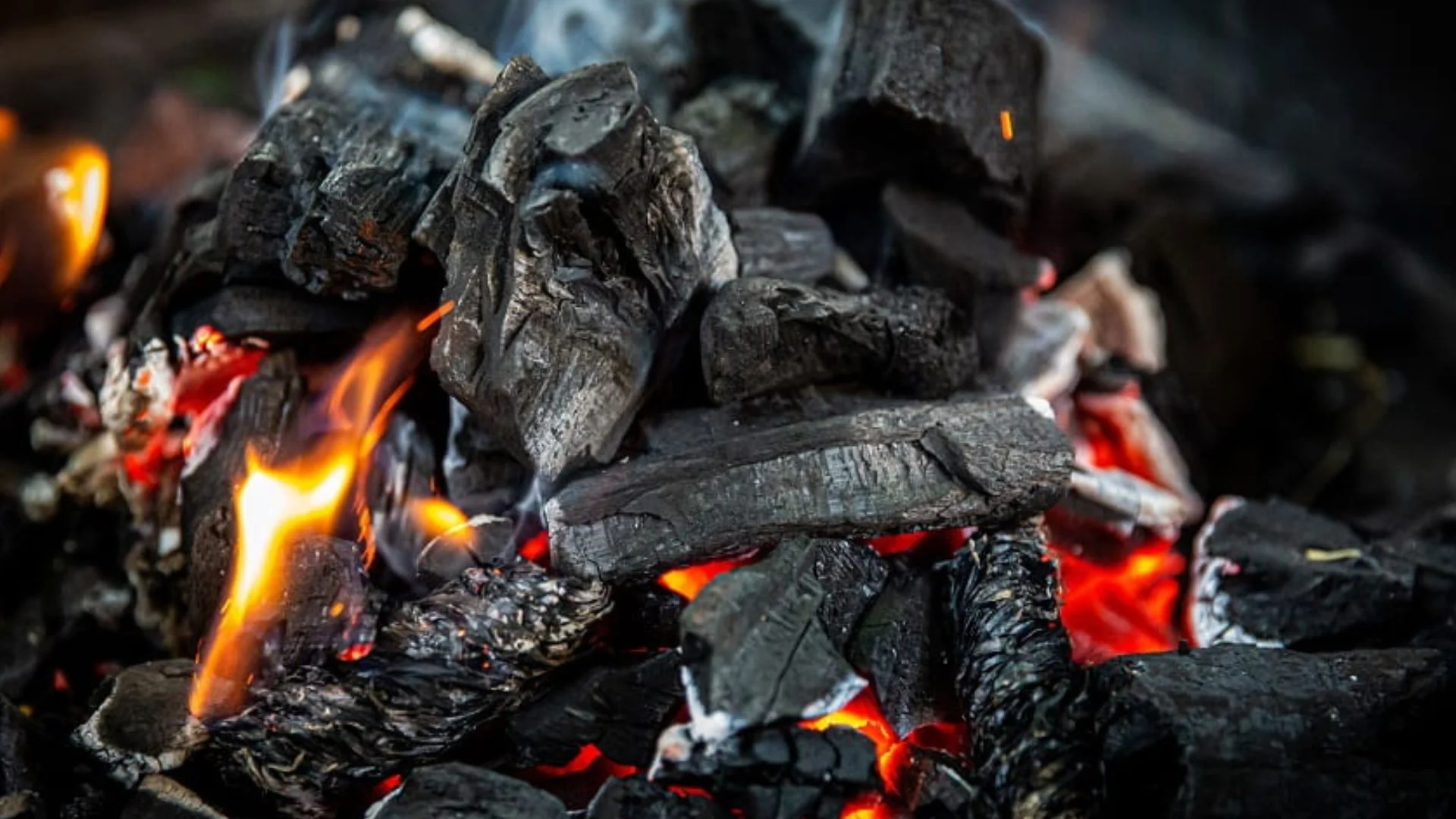
Researchers have unveiled a new technique that converts lignin, a common plant material often burned as waste, into adipic acid.
Adipic acid is one of the main building blocks used in nylon production. The study, published in Nature, highlights a new route for producing industrial chemicals from renewable resources.
Nylon is found in clothing, automotive components, electrical insulation, medical devices, and many other products. Today, most adipic acid is produced from petroleum-derived benzene through energy-intensive manufacturing processes. These methods generate significant carbon emissions and rely heavily on fossil fuels.
The new approach focuses on lignin, one of the most abundant organic polymers on Earth. Lignin gives plants their rigidity and structural strength. Large amounts of it remain after paper production and biofuel manufacturing, and much of it is simply burned as low-value fuel.
For decades, scientists have explored ways to convert lignin into useful chemicals. However, lignin’s complex structure has made it difficult to process efficiently. Most existing methods produce mixtures of compounds that are hard to separate and refine.
Researchers say these limitations have prevented lignin from becoming a major industrial feedstock. Previous techniques generally produced low yields of any single product. In many cases, yields reached only around 20% by weight, making large-scale production difficult to justify economically.
READ ALSO: Hyundai Motor and Kia’s Robotics Lab Delivers First ‘X-ble Shoulder’ Wearable Robot to Korean Air
Combining Refinery Chemistry and Engineered Bacteria
The research team designed a multi-step process that combines chemical engineering with biotechnology. Their goal was to develop a more efficient pathway for converting lignin to adipic acid. The system borrows some techniques commonly used in oil refining while adding biological conversion steps.
The process begins with poplar wood chips. Scientists used a method called reductive catalytic fractionation(RCF) to separate and partially break down lignin. This step produced an oil rich in lignin-derived compounds.
Next, the lignin oil passed through a continuous hydrodeoxygenation reactor. This process removed oxygen-containing groups that would interfere with later reactions. The result was a cleaner mixture of hydrocarbon-based molecules.
Researchers then performed an oxidation step. Oxidation breaks specific carbon bonds and reintroduces oxygen in a controlled way. This produced a mixture of water-soluble aromatic carboxylic acids that could be further processed.
At this stage, engineered bacteria took over part of the work. The team used a modified strain of the bacterium Pseudomonas putida. The microbe converted most of the aromatic acids into a compound known as muconolactone.
Scientists then chemically transformed muconolactone into adipic acid. This combination of biological and chemical processing allowed the team to obtain a more useful end product from the complex lignin mixture. The approach also reduced the need for difficult separation steps that often limit lignin conversion technologies.
READ ALSO: Mediterranean Beetles Defy Norm as Rare Insects That Can See Red
Nylon From Plant Waste
The experimental process achieved an adipic acid yield of about 26% by weight relative to the original lignin. This figure is higher than many previous attempts to obtain a single high-value chemical from lignin. Researchers estimate that future improvements could push yields to approximately 57%.
The team also tested lignin from different tree species. Besides poplar, the process worked with lignin derived from pine and birch. This flexibility is important because industrial biomass sources vary widely across regions and industries.
Despite the promising results, several challenges remain. The engineered bacteria cannot yet process all components in the oxidation mixture. Some compounds remain unused, reducing the system’s overall efficiency.
Another challenge involves the RCF process itself. The technology is still developing and currently depends on relatively pure solvents and expensive metal catalysts. These factors can increase production costs and limit large-scale deployment.
Researchers believe future improvements in both microbial engineering and chemical processing can address these issues. Expanding the bacteria’s ability to consume more lignin-derived compounds could significantly increase overall yields. Additional advances in catalyst design and process optimization may also improve economic viability.
READ ALSO: BMW Motorrad proudly introduces the all-new BMW R 1300 R
The findings are important because they offer a new way to produce essential industrial chemicals from renewable biomass rather than fossil fuels. As industries seek lower-carbon manufacturing methods, technologies that convert waste materials into valuable products are attracting increasing attention.
However, lignin from paper mills and biofuel facilities could become a major source of raw materials for nylon production. Such a shift would help reduce waste, lower dependence on petroleum resources, and create new value from one of the world’s most underutilized biomass streams.