

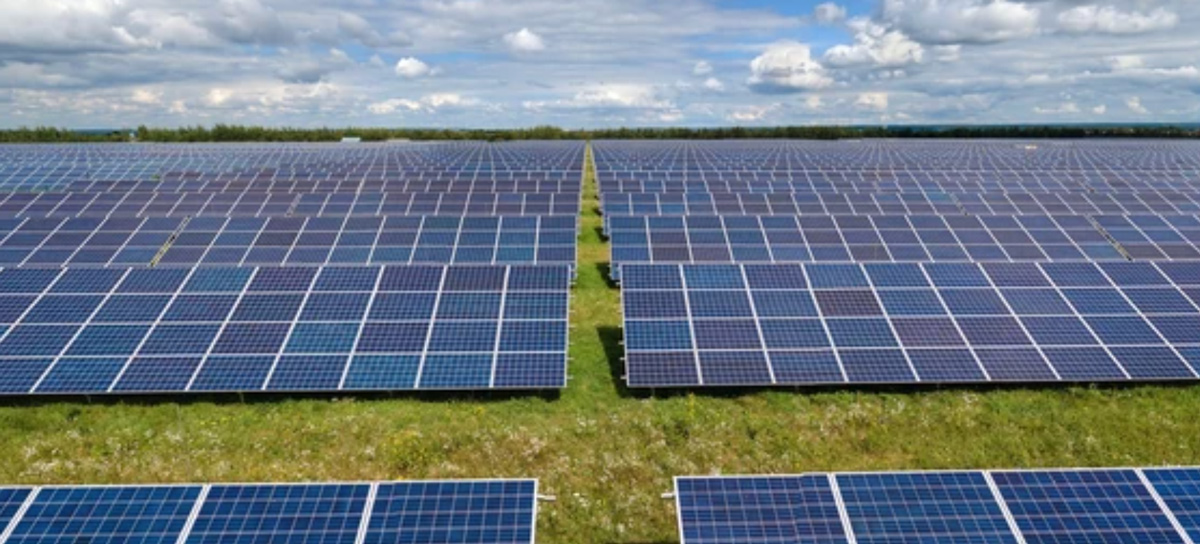
Maryland has approved a 20-year power purchase agreement (PPA) that is expected to cut state electricity costs while increasing its use of locally generated solar power.
The agreement with REV Renewables will supply about 250,000 megawatt-hours of renewable electricity each year from the Jade Meadow III Solar Project beginning in 2028. State officials estimate the deal will save between $298 million and $515 million over its full contract period, depending on future electricity market prices.
The Maryland Board of Public Works approved the agreement as the state looks to expand renewable energy while managing long-term electricity expenses.
The contract is expected to double the amount of renewable energy Maryland currently purchases directly through long-term power agreements. Once the new supply begins, renewable electricity from the agreement is expected to account for nearly 15 percent of the state’s overall electricity portfolio.
READ ALSO: https://modernmechanics24.com/post/nasa-swift-rescue-mission-link-control/
The deal also provides the state with a more predictable source of electricity pricing. By agreeing to purchase solar power over two decades, Maryland aims to reduce its exposure to changes in wholesale electricity markets.
Solar Power From Mine
The electricity will come from the 300-megawatt Jade Meadow III Solar Project in Western Maryland. The project is primarily located in Garrett County on a reclaimed coal mine, giving the former industrial site a new use for renewable energy generation.
A megawatt is a unit used to measure electricity generation capacity, while a megawatt-hour measures the amount of electricity produced or consumed over time. The project is currently active in the PJM Interconnection queue and is expected to be completed in 2028.
Maryland’s Department of General Services(DGS), will purchase roughly half of the electricity generated by the solar facility for state energy accounts. The annual amount purchased under the agreement is comparable to the electricity used by more than 20,000 homes in a year.
Using a reclaimed coal-mining site also addresses one of the challenges associated with expanding renewable energy. Developing solar projects on previously used industrial land can reduce the need to convert other areas for new energy infrastructure.
Clean Energy Portfolio Expands
The new agreement builds on Maryland’s existing use of long-term renewable energy contracts. Through DGS and the University System of Maryland’s Generating Clean Horizons initiative, the state already purchases renewable electricity from three facilities.
WATCH ALSO: https://modernmechanics24.com/post/xpeng-second-gen-iron-humanoid-robot/
Those facilities include Mount St. Mary’s Solar, along with the Roth Rock and Pinnacle wind projects. DGS also oversees solar installations at several state facilities and works with other government agencies to increase renewable electricity generation.
The Jade Meadow III agreement therefore represents an expansion rather than a shift away from Maryland’s existing renewable energy strategy. It adds a large solar source to a portfolio that already includes both solar and wind power.
The state’s approach also reflects a broader effort among governments and large energy buyers to secure long-term renewable electricity supplies. Long-term contracts can provide developers with a stable buyer while giving public agencies greater certainty over future energy costs.
Savings And Grid Impact
Maryland officials said the agreement is designed to deliver financial benefits alongside environmental goals. DGS estimates that savings could reach $515 million over 20 years under certain market conditions, while its central projection highlights savings of about $300 million.
Governor Wes Moore said the administration is using state purchasing power to expand access to Maryland-generated solar energy while lowering costs. DGS Secretary Atif Chaudhry said the long-term contract will help protect the state from future energy market volatility while supporting its clean energy objectives.
The agreement also comes as electricity demand and concerns about grid capacity are receiving greater attention across the energy sector. Adding generation within the regional electricity system can provide another source of power as states work to meet changing demand.
READ ALSO: https://modernmechanics24.com/post/cern-ntof-team-ancient-stardust-mystery/
For Maryland, the project combines several priorities in one contract: long-term cost management, renewable energy procurement, reuse of former industrial land and expansion of in-state clean electricity. With construction expected to bring the Jade Meadow III project online in 2028, the agreement is set to become an important part of the state’s energy portfolio over the next two decades.
The project will also give Maryland more experience in using large-scale solar procurement to manage public energy costs. As the state continues expanding renewable generation, the deal may help shape how future public-sector energy contracts balance affordability, reliability and clean energy targets.











One Response