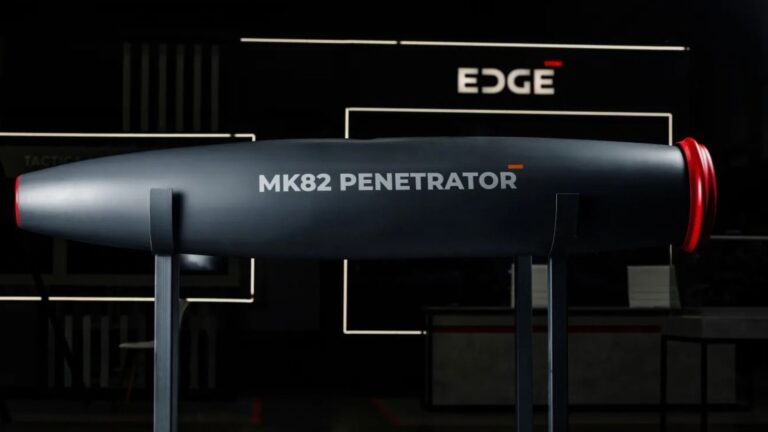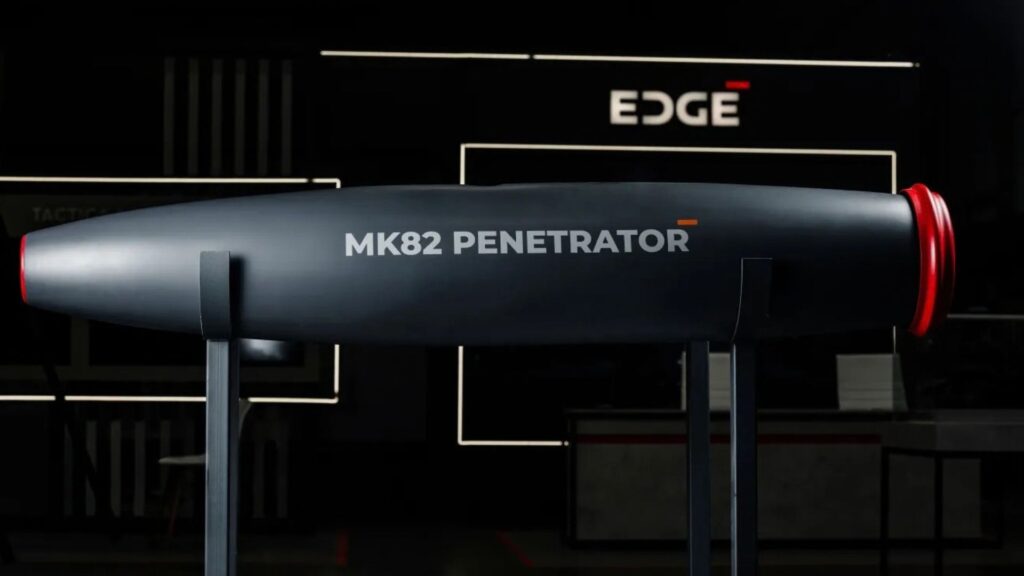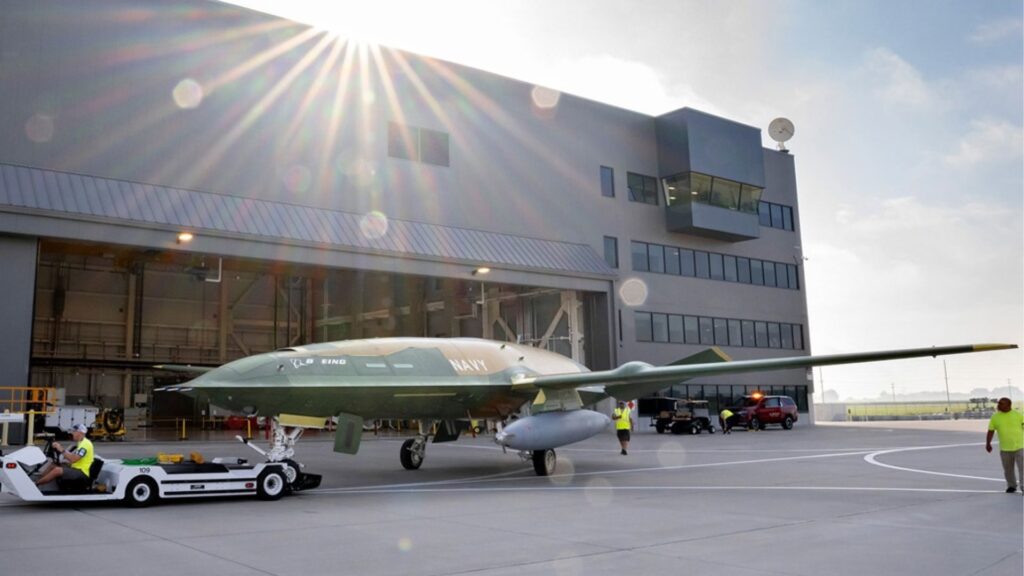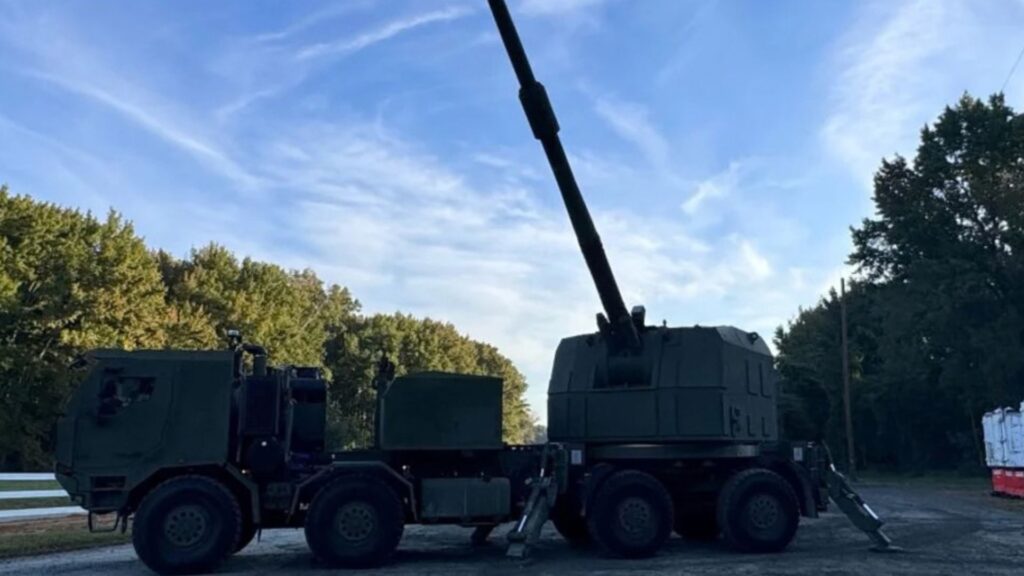

The US Air Force has officially introduced the AGM-190A Havoc Spear, a new low-cost cruise missile designed for special operations missions.
The weapon was developed quickly to give commanders a flexible long-range strike option that is easier to produce and deploy. The missile also supports the military’s push for faster and more adaptable weapons systems.
The US Air Force Special Operations Command(AFSOC) publicly revealed the ‘Havoc Spear’ as part of its ongoing modernization efforts. The missile is designed to provide an affordable precision strike capability for special operations forces.
AFSOC developed the missile through a cooperative research and development agreement with industry partners. The project falls under the command’s Enhanced Precision Effects program, which focuses on long-range weapons capable of delivering both kinetic and non-kinetic effects.
In simple terms, the missile can support attacks that physically destroy targets or disrupt enemy systems electronically.
AFSOC commander Lt. Gen. Mike Conley said the missile gives military leaders more stand-off strike options during combat operations. Stand-off weapons enable aircraft and forces to attack from a safer distance without approaching enemy defenses. This becomes increasingly important as modern battlefields feature stronger air defense systems and longer-range threats.
READ ALSO: Carbon Nanotube Fibers Challenge Copper in EV, Drone and Aircraft Wiring Race
Faster Development for Modern Warfare
According to AFSOC, Havoc Spear moved from development to combat evaluation in less than three years. Traditional weapons programs often take 5 to 7 years to reach operational testing. Military officials say the faster timeline underscores a growing effort to accelerate defense innovation.
US Special Operations Command Commander Admiral Frank Bradley said close cooperation between operators and engineers helped accelerate the program.
He explained that direct feedback during development enabled teams to make rapid improvements while carefully managing risks. The military now wants to apply the same fast-development model to other future systems.
The missile’s modular design also supports different mission requirements. A modular weapon can be configured with different components, payloads, or capabilities to meet operational needs. This flexibility allows commanders to use the same core platform across multiple combat scenarios.
Why the Name ‘Havoc Spear’ Matters
Secretary of the Air Force Troy Meink selected the name ‘Havoc Spear’ in November 2025. Officials said the name reflects the missile’s ability to support mass attacks while also conducting precise long-range targeting missions. The weapon is expected to support both special operations forces and conventional Air Force units.
WATCH ALSO: This robotic system to pick strawberries automates tough tasks
AFSOC plans to integrate Havoc Spear into wider all-domain operations across air, land, sea, space, and cyber environments. The military believes low-cost precision weapons are becoming increasingly important as global security challenges continue to evolve. Similar trends are also shaping defense strategies in Europe and the Indo-Pacific region.
The introduction of the Havoc Spear demonstrates that the US military is focusing on rapid production, affordability, and operational flexibility. Defense planners are paying greater attention to weapons that can be fielded quickly and used in large numbers in future conflicts.