The US continues to depend on nuclear power for a significant share of its electricity. Keeping reactors safe requires regular inspections of equipment that operates under extreme heat, pressure, and radiation.
Pacific Northwest National Laboratory (PNNL) is advancing nuclear inspection capabilities through advanced nondestructive evaluation technologies, making reactor inspections more effective.
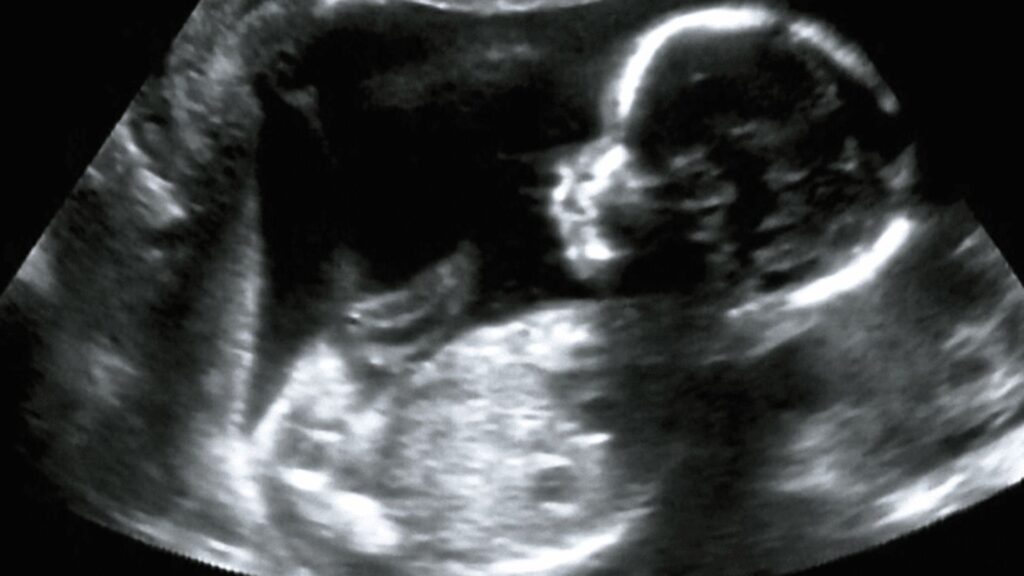
Instead of taking apart reactor components, researchers inspect them externally. The process is similar to how doctors use ultrasound or X-rays to examine the human body without surgery. This approach allows experts to find hidden cracks and material damage while leaving the equipment intact.
Known as nondestructive evaluation(NDE), these inspection methods use tools such as ultrasound, X-ray imaging, and electromagnetic sensors. They help identify problems before they become serious. This supports the safe operation of nuclear plants that generate nearly 20 percent of the nation’s electricity.
Five Decades of Nuclear Safety Research
PNNL has worked with the US Nuclear Regulatory Commission(NRC) for almost 50 years.
Since the partnership began in 1976, the laboratory has conducted research that helps regulators understand how well inspection methods perform. The work provides independent scientific evidence that supports safety and licensing decisions.
According to Richard Jacob, a physicist on PNNL’s Nondestructive Evaluation team, the laboratory works closely with NRC staff while maintaining scientific independence.
He said the NRC identifies important safety questions and PNNL provides the research and technical data needed for regulatory decisions. This separation helps ensure that the findings remain objective.
Over the years, the collaboration has produced more than 250 technical reports and peer-reviewed research papers. The findings have also influenced updates to engineering standards used across the nuclear industry. These standards now allow wider use of modern ultrasound systems and digital inspection tools in both existing and future reactors.
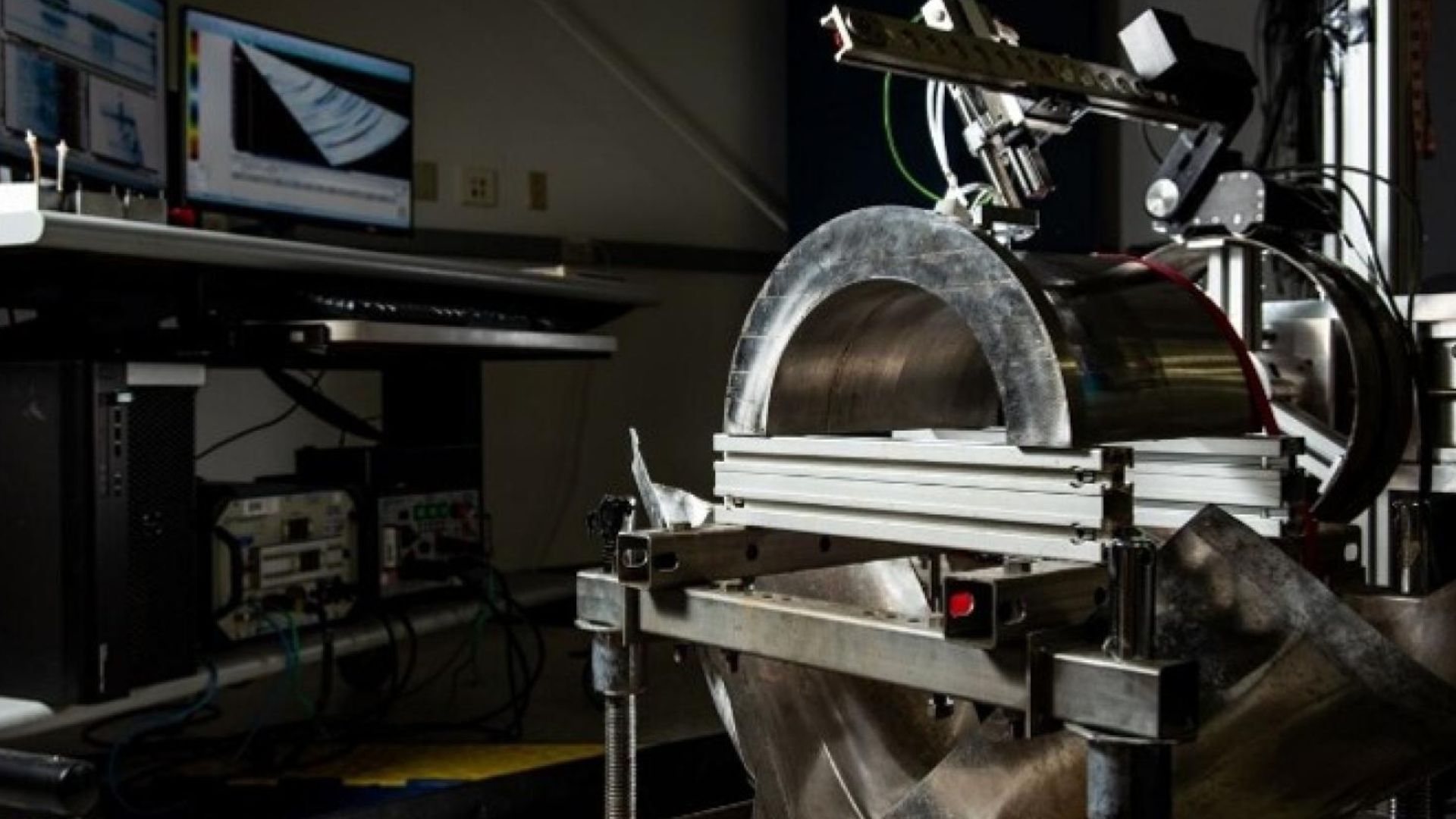
Researchers at PNNL study several inspection techniques. These include traditional ultrasound, laser-based ultrasound, eddy current testing, and X-ray computed tomography. Each method is designed to examine different materials and identify distinct defect types.
READ ALSO: China’s Reusable Rocket Engine Clears Major Test as Private Space Launch Plans Accelerate
One of the laboratory’s unique resources is an NRC-owned collection of hundreds of nuclear-related components and material samples. Some of these came from cancelled nuclear power projects. Many contain carefully created defects that help researchers test inspection methods under realistic conditions.
This collection enables scientists to study actual reactor materials rather than creating new test samples. It also avoids removing parts from operating nuclear plants. That saves time while providing reliable data for inspection research.
The laboratory also operates specialized facilities for radiography, ultrasonics, and electromagnetic testing. It includes cable-aging systems, such as the ARENA cable and motor test bed. These facilities expose materials to high temperatures, radiation, and corrosive conditions that match real reactor environments.
Katie Wagner, manager of PNNL’s Nuclear Regulatory programs, said inspection technology has advanced significantly over the years. She explained that cast austenitic stainless steel, commonly called CASS, was once considered too difficult to inspect. Research supported by the NRC showed that modern inspection methods can now reliably examine the material.
That work provided the technical evidence regulators needed to evaluate inspection requirements for CASS components. It also expanded the range of reactor equipment that can be inspected without causing damage. This helps improve confidence in the long-term condition of important safety systems.
AI, Advanced Tools for Nuclear Inspection
PNNL researchers are also combining inspection science with computer modeling and artificial intelligence. Computer models help explain how inspection signals relate to the physical condition of materials. This improves the accuracy of inspection results.
Artificial intelligence is becoming an important part of research. PNNL is testing AI software that reviews ultrasonic inspection data and highlights the most important signals. Inspectors can then focus on areas that need attention rather than manually examining every piece of data.
Jacob said the AI system is designed to reduce inspection time while maintaining accuracy. Faster inspections can shorten planned reactor shutdowns. Plants can return to electricity production sooner without reducing safety standards.
The laboratory is also preparing inspection methods for the next generation of nuclear reactors. Advanced reactor designs use new materials and manufacturing processes that differ from traditional nuclear plants. These changes require updated inspection techniques.
One example is additive manufacturing, also known as 3D printing. This process builds components layer by layer using digital designs. It allows manufacturers to produce complex reactor parts, but those parts still need reliable inspection methods.
Researchers are evaluating methods for inspecting materials produced by additive manufacturing. They are also developing durable sensors that can remain attached to reactor components for long periods. These sensors are designed to operate under harsh conditions and monitor equipment continuously without requiring shutdowns.
Jacob said additive manufacturing is expected to play an important role in future nuclear power systems. He added that proving these new materials can be inspected effectively is an important step before they are widely adopted.
READ ALSO: AI Reveals Water Molecules Switch Between Two Liquid States, Solving a Century-Old Mystery
Preparing Nuclear Power for the Future
PNNL’s inspection research relies on experts from many scientific fields. The team includes physicists, materials scientists, experienced inspectors, radiographers, signal processing specialists, and artificial intelligence researchers. Together they study complex inspection challenges from different technical perspectives.
Stephen Cumblidge, a materials engineer in the NRC’s Office of Nuclear Reactor Regulation, said PNNL’s research supports the NRC’s efforts to ensure nuclear plants use effective inspection methods for critical safety systems. He added that the agency has confidence in the procedures and techniques validated through the laboratory’s work.
The partnership between PNNL and the NRC continues to evolve as nuclear technology changes. Research that started nearly five decades ago now includes digital tools, AI-assisted inspections, and methods designed for advanced reactors. The work helps maintain the safety of today’s nuclear fleet while preparing the industry for future energy systems.
Reliable inspections remain one of the most important parts of nuclear power plant operations. Finding hidden problems before they become larger issues protects equipment, supports regulatory decisions, and helps maintain steady electricity production.