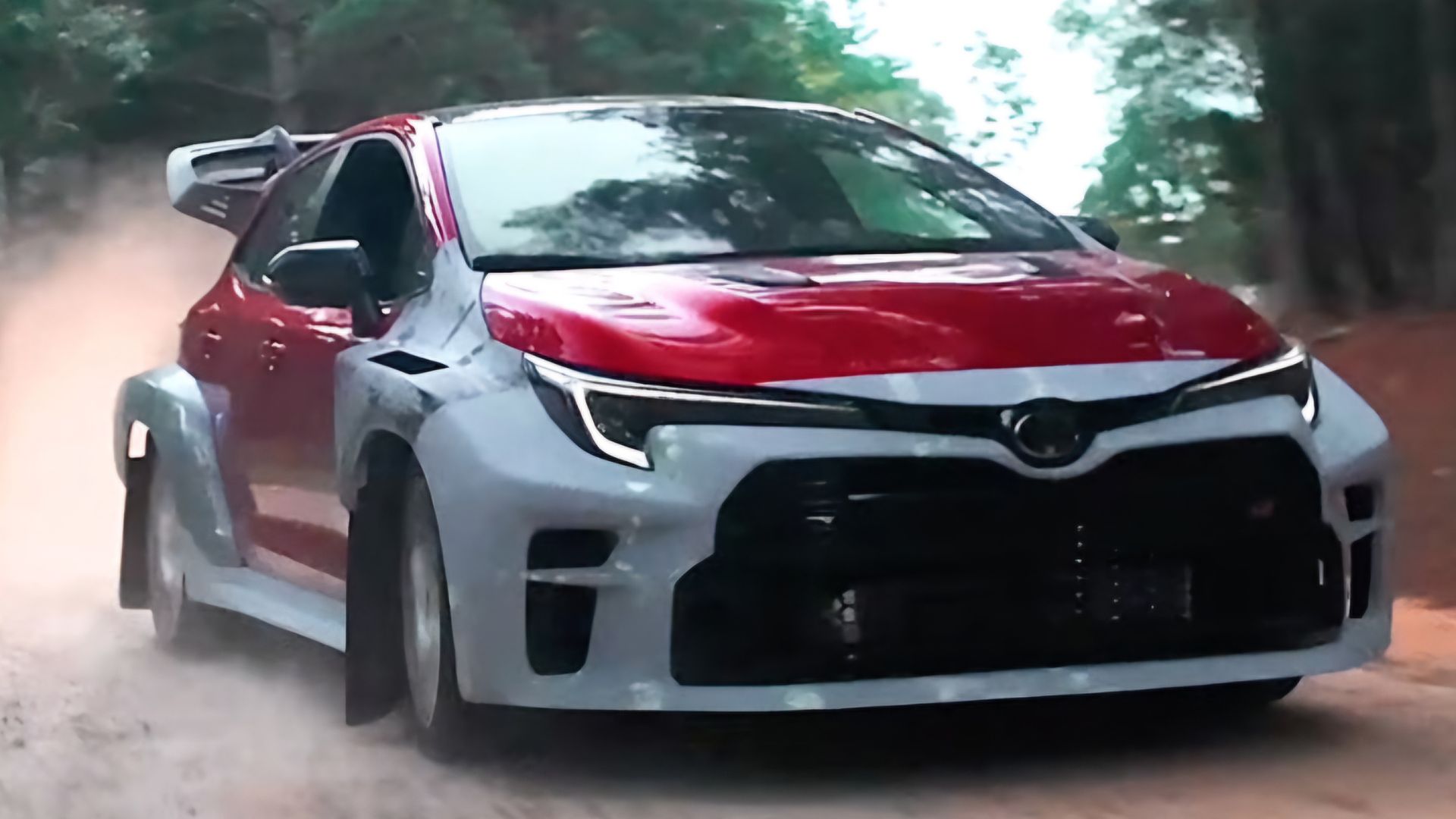
A custom-built 3D-printed body kit has transformed a Toyota GR Corolla into a rally-inspired machine after the GR Yaris Rally2 remained unavailable in the US.
The project combines digital design, large-scale 3D printing, and practical engineering to create a functional widebody kit that has been tested on both roads and dirt tracks.
When the Toyota GR Yaris Rally2 remained unavailable to buyers in the US, automotive enthusiast Nikolai Aksenov decided to build an alternative using his own 2023 Toyota GR Corolla Circuit Edition.
Instead of waiting for a factory version, he developed a rally-inspired widebody kit designed to match the style and function of Toyota’s competition vehicles. The result is a custom project that combines digital engineering with large-scale 3D printing to create a practical and durable body conversion.
Digital Design Process
The project, known as Rally Rolla, has been documented through a series of development episodes showing each stage of the build. Aksenov and his team at Crazy Rocket Garage began by creating a detailed digital scan of the entire vehicle before taking it apart. Every clip, mounting point, bolt hole, and body crease was recorded to ensure the new parts would fit the factory structure accurately.
The collected data became the foundation for a complete three-dimensional computer model of the car. This digital blueprint enabled the team to design each panel with precise attachment points rather than relying on trial and error. It also reduced the chances of alignment problems during final assembly.
The styling borrowed ideas from several rally icons, including World Rally Championship cars, legendary Group B machines, and Toyota’s own GR Yaris. The goal was to create body panels that looked like original factory equipment rather than aftermarket accessories. Every component was designed to match the existing lines of the GR Corolla.
GR Corolla Goes Rally
Creating full-size automotive panels posed a major manufacturing challenge because standard desktop 3D printers cannot produce such large parts in a single piece. The team divided each panel into dozens of smaller sections before beginning production. These individual pieces were later combined into complete body panels.
PETG plastic was selected because it offers good resistance to heat, vibration, and everyday driving conditions. The material is also easier to modify if adjustments become necessary during production. This flexibility became important after one printer experienced a clogged nozzle early in the process.
Rather than abandoning the project, the team built a replacement print head and resumed production. The unexpected issue added roughly 2,000 extra hours of printing before all components were completed. Despite the delay, the manufacturing process continued without changing the overall design.
Assembly And Testing
Once printing was finished, the smaller pieces were permanently joined using plastic welding rather than glue or mechanical fasteners. This method produced stronger, more durable panels capable of withstanding regular use. The designers also included alignment holes in advance to simplify assembly and improve structural stability.
Additional fiberglass and resin layers reinforced areas that required greater strength. This combination of printed plastic and composite materials helped improve durability without changing the overall appearance. The approach also allowed the finished kit to remain practical for everyday driving.
READ ALSO: Micron to Invest $3B in US Chip Supply Chain, Backs GlobalWafers’ Texas Wafer Plant
Initial test fitting demonstrated the accuracy of the digital design process. The front fenders extended about three inches while preserving the original body shape and proportions. Doors operated normally, and the rear sections required only minor adjustments to achieve a precise fit.
No visible mounting hardware marred the vehicle’s finished appearance. The build also included mud flaps and a distinctive double-decker swan-neck rear wing inspired by modern rally cars. These additions completed the exterior while maintaining everyday usability.
Road And Dirt Trials
The completed vehicle underwent a 50-minute shakedown that included both paved roads and dirt surfaces. This test exposed the body kit to continuous vibration, rough terrain, and repeated impacts, simulating rally driving conditions. The evaluation focused on durability rather than appearance.
According to the team, none of the major panels cracked, loosened, or detached during testing. One section even recovered its shape after being dropped while handling the parts before installation. The mud flaps experienced expected wear from rough terrain, but no significant structural failures were reported.
The successful test demonstrated that the project extends beyond visual customization. It also highlights how digital scanning, computer-aided design, and consumer-grade 3D printing are practical tools for creating complex automotive components.