China is advancing a truck-mounted nuclear system designed to deliver reliable power wherever it is needed.
Scientists say it can support energy-hungry systems like artificial intelligence (AI) data centers, while also helping remote regions and emergency operations. The project focuses on a compact nuclear reactor capable of generating up to 10 megawatts of electricity.
According to Wu Yican, a senior scientist involved in the effort, the prototype is already under testing. He described it as the world’s first vehicle-mounted nuclear power unit.
Wu said the system acts like a nuclear power bank. He explained that it can operate for decades without needing refueling. That makes it very different from traditional batteries, which need frequent charging or replacement.
READ ALSO: Morphing Flapless Wings Twist Mid-Flight in New Aircraft Tests in Germany
“This system shows what the next generation of nuclear energy looks like,” Wu said. “We designed it to be safe, compact, and reliable.”
The reactor is being developed at the Hefei Institute of Physical Science, which is part of the Chinese Academy of Sciences. The team aims to create flexible energy systems that can adapt to different environments and demands.
One of the main uses for this mobile reactor is powering AI data centers. These facilities require substantial electricity to run complex computations. Wu said nuclear power can provide a stable and clean energy source for such needs.
“Nuclear energy gives AI systems a strong and reliable power base,” he said. “At the same time, AI is also helping improve nuclear research and development.”
WATCH ALSO: China commissions world’s largest open-sea offshore solar photovoltaic project
The idea is to build a two-way relationship between nuclear science and AI. While nuclear energy supports computing, AI tools can help design safer and more efficient reactors.
Beyond AI, the mobile reactor has many possible uses. It can supply electricity to remote islands and isolated regions. It can also act as a backup power source during emergencies. Scientists are exploring its use in ships, space missions, and ocean exploration.
Wu emphasized that safety remains the top priority. He said future nuclear systems must be built with safety measures integrated from the very beginning. He also stressed the need for systems that are easy to use, flexible in operation, and well-designed.
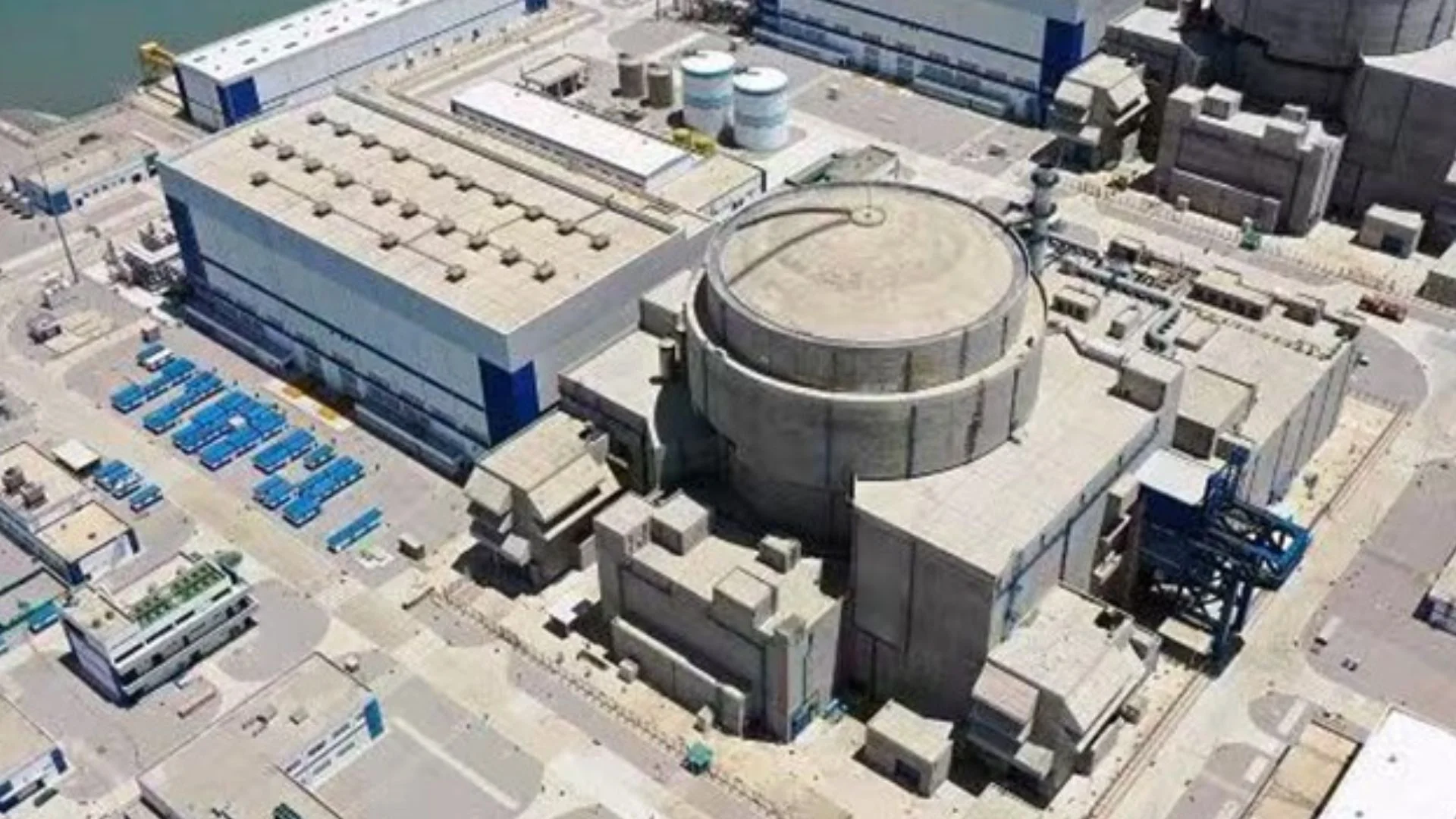
China has been expanding its nuclear energy sector in recent years. According to the China Nuclear Energy Association, the country had 59 nuclear power units in operation as of last year. These reactors produced about 467.7 billion kilowatt-hours of electricity.
READ ALSO: No Fans, No Airflow: 3D-Printed Metal That Cools When Stretched Debuts at Hannover Messe
That output accounted for nearly 4.82 percent of the country’s total electricity demand. It also placed China second in the world for nuclear power generation, behind the US.
Wu believes nuclear technology will play a bigger role in the coming years. He said it will not only support energy needs but also drive innovation in many industries.
He pointed to areas such as industrial safety, advanced manufacturing, and medicine. Nuclear techniques can help monitor systems, improve production processes, and even support healthcare.
In medicine, radioactive materials are already used to study how the body works. They also help doctors diagnose and treat diseases like cancer. Wu noted that more than 5 million people in China are diagnosed with cancer each year.
“If nuclear technology improves treatment methods, it can create huge social and economic benefits,” he said.
The development of small, mobile reactors marks a shift in how nuclear energy is used. Instead of large, fixed plants, future systems may be portable and adaptable. This approach can reshape how energy is delivered across industries.
WATCH ALSO: US conducts powerful and deadly strike against ISIS terrorists in Northwest Nigeria
China’s truck-mounted reactor is still in its testing phase. But it signals a clear direction. The goal is to create energy systems that are not only powerful but also flexible enough to meet modern demands.
As AI continues to grow, so does the need for reliable power. China’s new nuclear power bank aims to meet that demand in a new and mobile way.