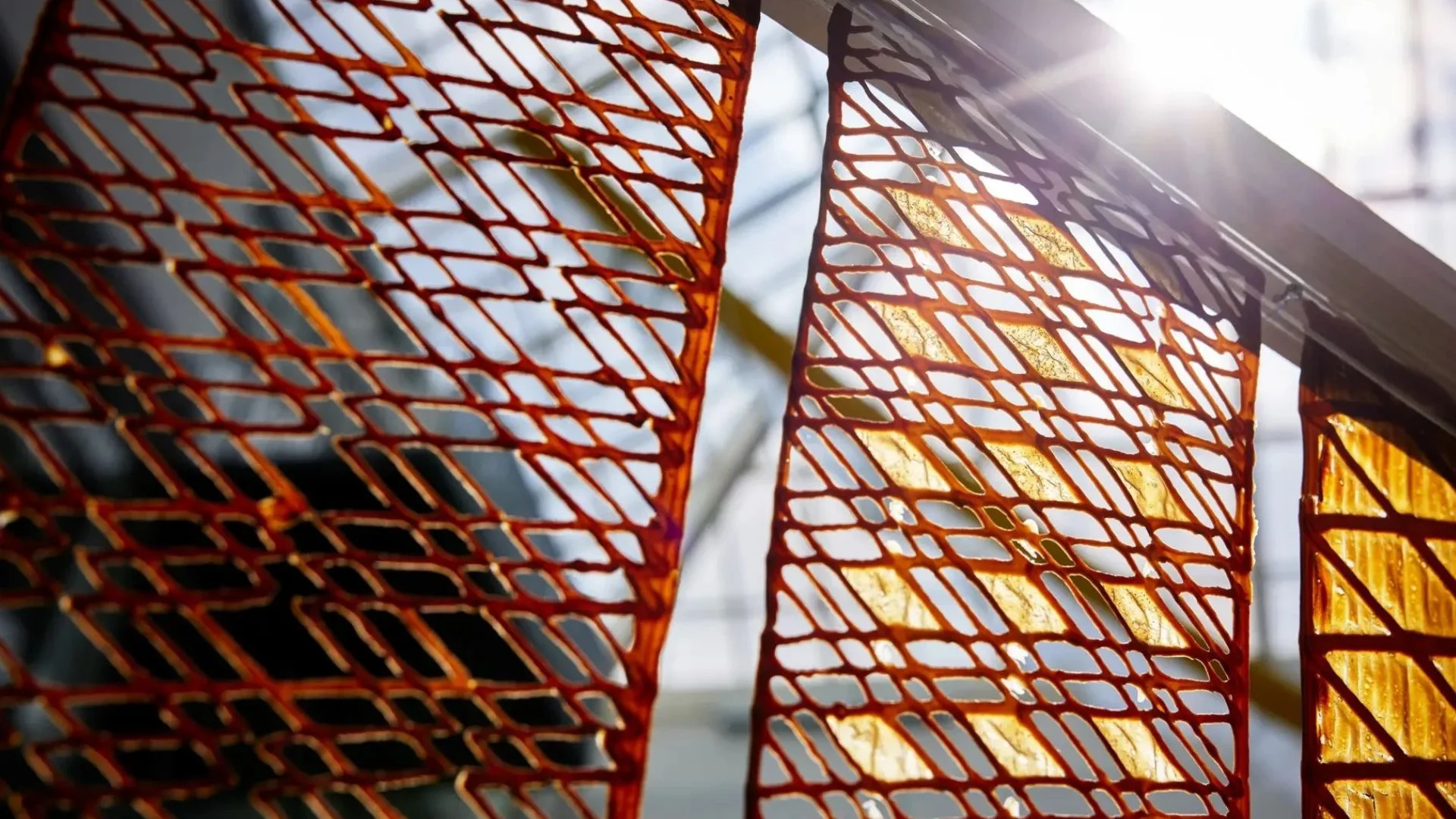
Researchers at Chalmers University of Technology in Sweden have developed a new bio-based material made from yeast. The material can be shaped using 3D printing technology. It is designed for use in architecture and interior design.
The project focuses on creating sustainable alternatives to conventional building materials. Many construction products today rely on fossil fuels. Their production often requires substantial energy and raw materials.
The newly developed material is biodegradable and designed to generate minimal waste. Researchers say it offers a different approach to the design of architectural components. It combines natural ingredients with digital manufacturing methods.
How Yeast-Based Material Works
The material uses deactivated yeast as a binding ingredient. Researchers heat the yeast before mixing it with other components. This process stabilizes the material and prevents biological activity.
Unlike common industrial uses of yeast, fermentation is not involved. Instead, the yeast helps hold the material together. According to the research team, yeast offers a consistent and predictable structure.
The mixture also contains cellulose fibers sourced from wood. These fibers improve strength and help maintain the material’s shape. They also provide additional structural support during and after printing.
READ ALSO: New “one-pot” technique a breakthrough for material synthesis
Another ingredient is alginate, a natural substance extracted from brown seaweed. Alginate helps the material keep its dimensions during the printing process. This is important for producing accurate and detailed designs.
Researchers also add plant-based glycerols. These ingredients improve flexibility and reduce brittleness. Water completes the formula and helps create a printable mixture.
When combined and heated, the ingredients form a soft hydrogel. The hydrogel has a gummy texture and can be easily molded. This makes it suitable for additive manufacturing processes.
3D Printing Without High Energy Use
The material is printed using air pressure rather than complex industrial methods. Once printed, the structures are left to dry naturally at room temperature. No energy-intensive heating process is required after printing.
This approach helps reduce energy consumption during production. Traditional manufacturing often depends on high temperatures and specialized equipment. The new method simplifies production while reducing environmental impact.
Researchers say 3D printing also minimizes waste. Material is placed only where it is needed. This allows designers to create complex shapes without generating large amounts of leftover material.
The team sees potential applications in architectural screens, decorative wall elements and room dividers. These components are often made from plastics, plaster or synthetic materials. The new material provides a renewable alternative.
READ ALSO: Valkyrie Test Flights Propel Air Force’s Human-Machine Teaming Efforts Forward
Design flexibility is another advantage. Small adjustments to the formula can produce different visual effects. The material can be customized for various design requirements.
Natural pigments can be added to create different colors. Shades can range from light yellow to darker brown tones. Certain yeast strains can also contribute to color variations.
Researchers have also demonstrated different levels of transparency. Surface textures and patterns can be adjusted during production. This allows architects to create unique designs without additional processing.
Challenges Before Commercial Use
Despite promising results, further testing is still needed. Researchers must evaluate the material’s strength for practical applications. Long-term durability also remains an important area of study.
Fire resistance is another key requirement. Building materials must meet strict safety standards before entering the market. Moisture resistance also needs further investigation.
The team is studying ways to scale production for larger projects. Current work focuses on improving performance and structural reliability. Researchers are also exploring stronger design configurations.
The development forms part of a growing field known as Engineered Living Materials. These materials use biological components to create sustainable products. Scientists around the world are exploring similar concepts for future construction.
READ ALSO: Four Out of Five Defence Decision Makers Put AI First
Some researchers are investigating materials that can repair minor damage on their own. Others are studying biological materials that help remove pollutants from the air. Such functions could add new capabilities to future buildings.
The Swedish research team views the yeast-based material as an important starting point. It demonstrates how renewable ingredients can be combined with advanced manufacturing technologies. The work also highlights new opportunities to reduce the environmental impact of construction.
As demand for sustainable building solutions continues to grow, innovations like this are attracting increasing attention. The technology still requires further development before widespread adoption. However, it offers a glimpse of a future in which buildings are built from renewable materials, designed for both performance and environmental responsibility.