ESOX Group, a European defense technology firm, has detailed its plan to arm military drones and ground vehicles with breakthrough solid-state battery technology, promising 400 Wh/kg energy density, operation from -30°C to over 100°C, and a staggering 100,000 charge cycles. Licensed from Donut Lab’s CES 2026-announced tech, these batteries are being tailored for defense, where safety, endurance, and supply-chain resilience are paramount.
While the world marveled at solid-state batteries for electric cars at CES 2026, ESOX Group was plotting a different mission. The company revealed it is weaponizing the same breakthrough technology for defense, creating power systems that could redefine the capabilities of drones and unmanned ground vehicles. Under a defense-specific licensing framework with Donut Lab, ESOX is completing final testing with selected partners, aiming for a production ramp-up in the second half of 2026. “As defence spending rises, so does demand for batteries across uncrewed systems,” said Dan Walmsley, CEO of ESOX Group. He emphasized that for Europe and its allies, securing a resilient battery supply chain is becoming as critical as raw performance.
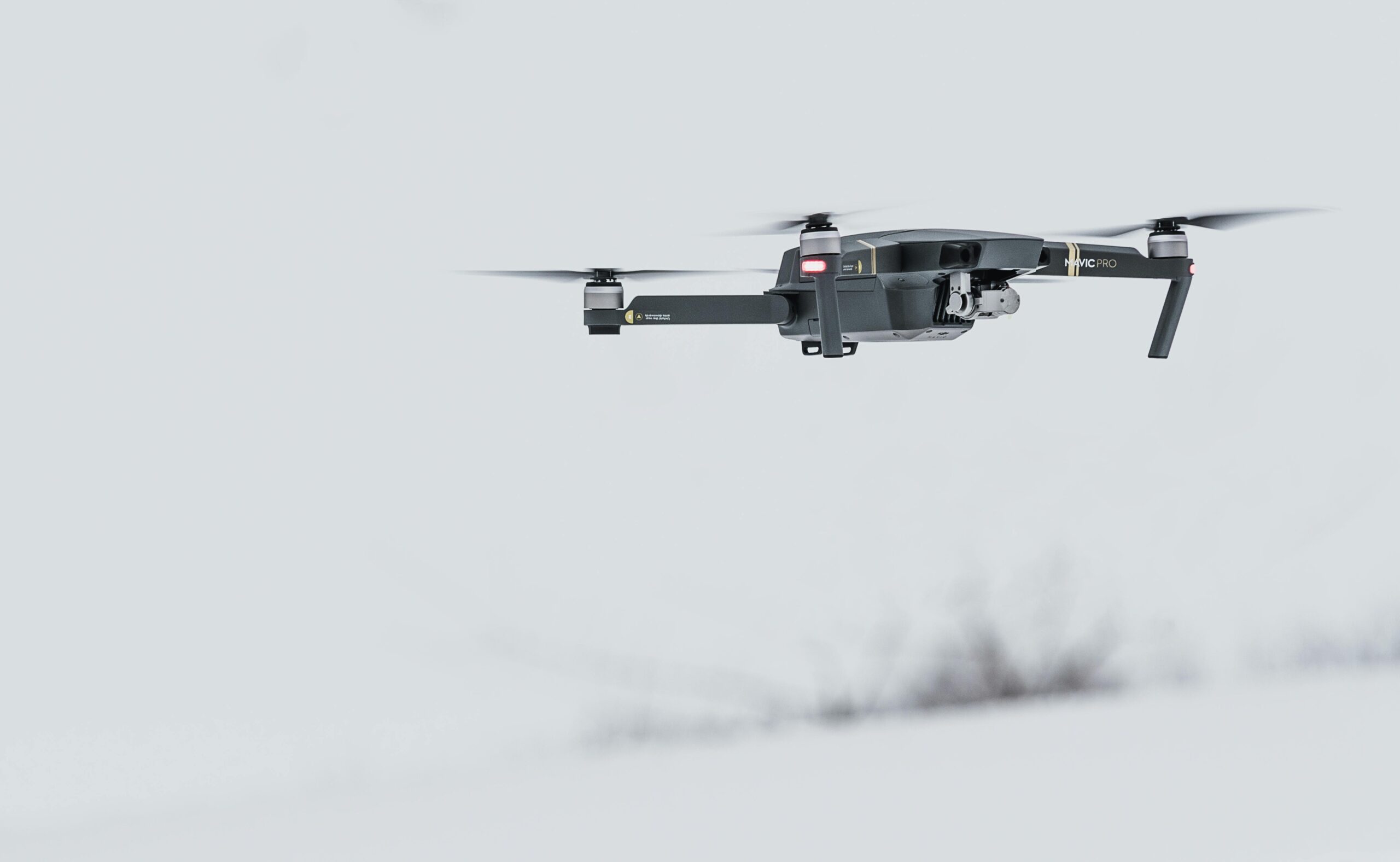
Why is this such a game-changer for military platforms? In defense, every gram, degree, and minute counts. The solid-state batteries championed by ESOX deliver a suite of advantages that read like a military wish list. With an energy density of 400 Wh/kg, drones like their X1 interceptor can carry lighter battery packs for the same power, directly translating to longer range, greater endurance, and enhanced maneuverability. Perhaps more impressive is the extreme environmental resilience. Testing shows the batteries retain over 99% of their capacity in the bone-chilling cold of -30°C and the searing heat exceeding 100°C, a critical feature for global operations. Furthermore, the elimination of flammable liquid electrolytes removes the risk of catastrophic thermal runaway, making platforms more survivable when damaged.
READ ALSO: https://modernmechanics24.com/post/ai-copilot-reduces-sea-collisions/
The logistical benefits are equally transformative. A design life of up to 100,000 charge cycles means these batteries could outlast the platforms they power, drastically reducing lifecycle costs and maintenance burdens. Rapid charging capabilities support faster operational turnarounds. Moreover, as reported by the company, the batteries can be manufactured in custom shapes and sizes, allowing engineers to mold power systems into airframes or vehicle chassis for optimal design, rather than building the platform around a rigid battery box.
At their CES booth, ESOX demonstrated this integration philosophy through two platforms: the X1 interceptor drone and the X2 UGV technology demonstrator. The X1 is a cost-effective counter-drone system with a multi-role airframe designed from the start to exploit future solid-state battery performance. The X2 ground vehicle showcases integrated propulsion and serves as a testbed for the new power cells. Together, they move the technology from lab validation toward real-world military utility.
WATCH ALSO: https://modernmechanics24.com/post/an-unmanned-boat-has-completed-a-long-1-100-nautical-mile-voyage/
For ESOX and its CEO, this is about more than just a better battery; it’s about strategic sovereignty. With China dominating much of the conventional battery supply chain, ESOX stresses that its solid-state technology uses abundant, geopolitically safe materials and can be designed and built in Europe. “Ensuring an assured and resilient battery supply chain is becoming as important as performance itself,” Walmsley stated. In an era where unmanned systems are pivotal, ESOX Group is betting that the power source inside them will be the next great strategic defense capability.