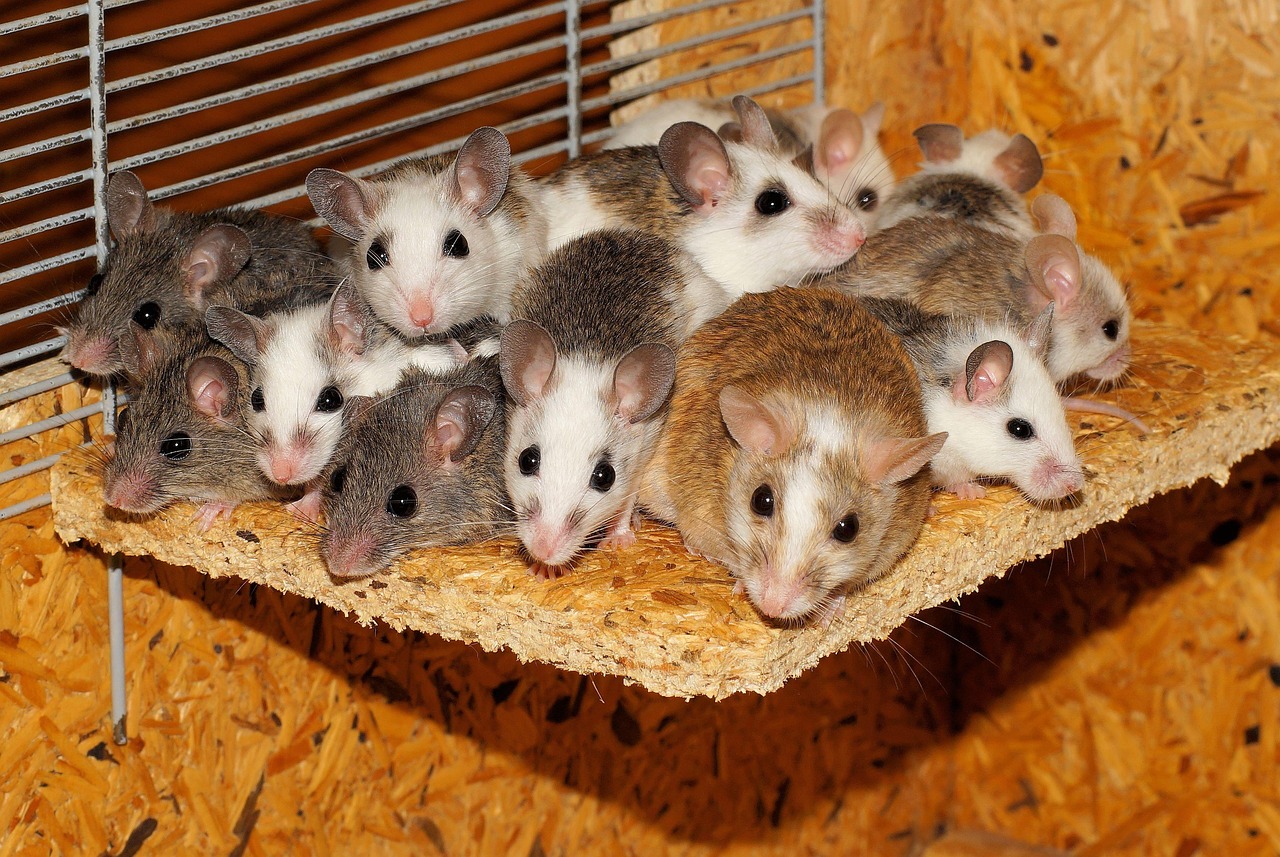
Chinese scientists at the Chinese Academy of Sciences (CAS) have announced the historic birth of the first generation of pups from mice that lived aboard the Tiangong Space Station. One of the four female mice from the Shenzhou-21 mission, which launched on October 31 and returned on November 14, successfully gave birth to nine pups on December 10, with six thriving normally, proving that short-term spaceflight did not impair the rodents’ reproductive capacity.
This milestone is a significant leap for space biology. The mice lived in a specialized small mammal habitat on China’s space station as part of a survival and adaptation experiment. According to Wang Hongmei, a researcher at the CAS’ Institute of Zoology, the successful birth demonstrates that the space environment did not negatively affect the mice’s reproductive functions and “provides an extremely valuable sample for studying the impact of the space environment on the early development of mammals.” The mother mouse is exhibiting normal nurturing behavior, and the pups show strong vitality under researchers’ care.
The mission, however, faced an unexpected crisis that highlights the complexities of space-based life science. Due to an adjustment in the Shenzhou-20 spacecraft’s return plan, the mice’s mission was extended, leading to a critical food shortage. The ground team at the Technology and Engineering Center for Space Utilization activated an emergency protocol. Using the station’s external water interface, astronauts collaborated with ground control to replenish the habitat’s water supply. For food, scientists urgently tested substitutes from the astronauts’ own menu, including compressed biscuits, corn, hazelnuts, and soy milk. After ground verification, soy milk was selected as the safe, acceptable emergency ration.
READ ALSO: https://modernmechanics24.com/post/china-humanoid-robot-patent-lead/
Critical to managing this emergency was a pre-developed AI behavior analysis system. This technology allowed researchers to monitor the mice’s movement, eating, and sleeping in real-time from Earth, accurately predicting their feed consumption and providing vital data for decision-making. This successful mitigation proved the resilience of both the experimental protocols and the animals themselves.
The research now enters a new phase. Scientists will conduct systematic studies on these pioneering “space pups,” analyzing their growth curves, physiological changes, and even their future reproductive capabilities. The ultimate goal is to breed a second generation from this line, opening a groundbreaking window into the long-term, multi-generational effects of spaceflight on mammalian heredity and development—research crucial for future deep-space exploration and long-term human presence beyond Earth.
WATCH ALSO: https://modernmechanics24.com/post/us-deadly-strike-isis-nigeria/