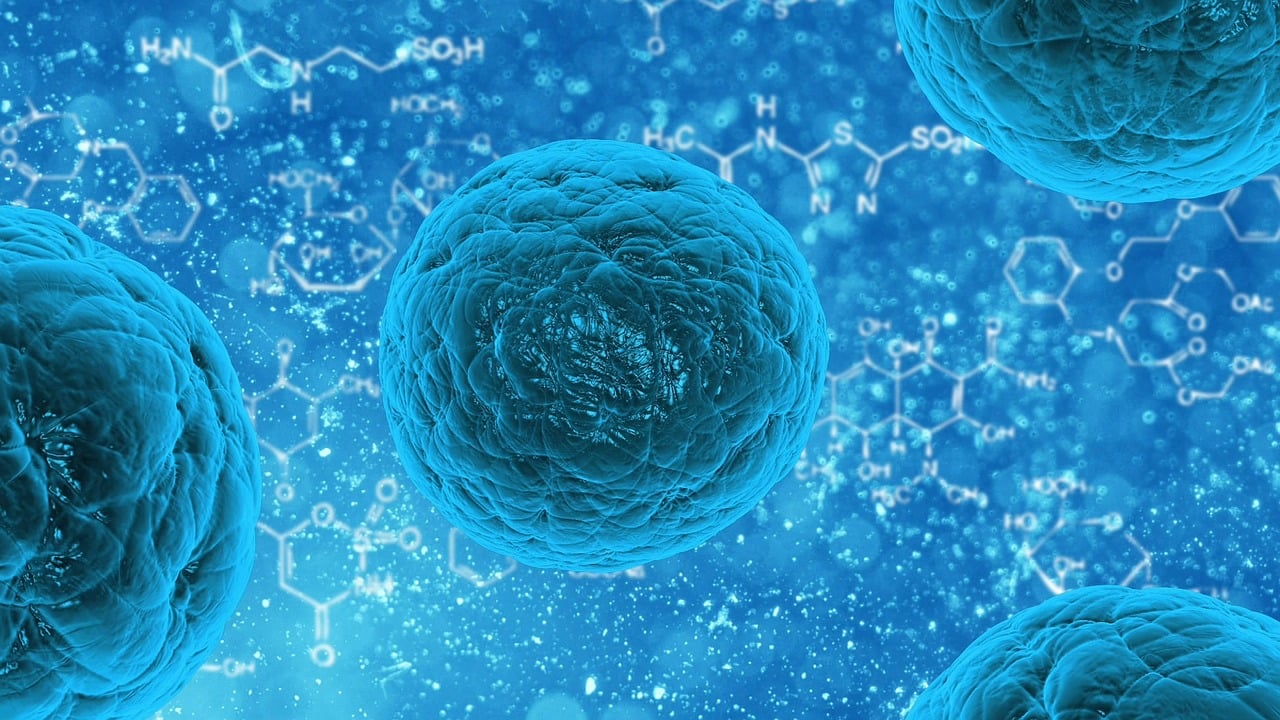
NASA researchers have identified 26 previously unknown species of bacteria thriving inside the spacecraft assembly cleanrooms used to build the Phoenix Mars lander. This startling discovery, made using advanced genome sequencing on samples taken back in 2007, reveals extreme “superbugs” that survived rigorous sterilization, raising profound questions about planetary protection and the potential for Earth life to contaminate Mars.
These microorganisms are the ultimate stowaways. They persisted despite intense cleaning protocols involving powerful disinfectants, UV light exposure, stringent air filtration, and controlled temperature and humidity. Their very existence in such a pristine environment, reported Live Science, suggests they could have inadvertently hitched a ride on the Phoenix spacecraft, which landed on Mars in 2008 to search for organic molecules and water ice. The irony is palpable: a rover sent to find signs of ancient Martian life may have carried its own tiny, terrestrial hitchhikers.
The resilience of these bacteria is astonishing. Scientists note their ability to enter a dormant, near-death state, only to “resurrect” themselves when conditions improve, a survival strategy documented by National Geographic. This capability poses a significant challenge. A dormant microbe could theoretically withstand the harsh vacuum, cold, and radiation of space, only to revive in the Martian soil. “They are able to resurrect themselves from near-death states,” researchers noted, highlighting the zombie-like tenacity of these potential interplanetary invaders. The next critical step, according to the team, is to test their survival in a simulated Mars environment.
This discovery directly impacts the integrity of the search for extraterrestrial life. If Earth-originating bacteria are present on Mars, they could cause a false positive detection of Martian life or, worse, irreversibly contaminate a pristine alien ecosystem. The cleanrooms at NASA’s Jet Propulsion Laboratory and other facilities represent the absolute forefront of sterilization technology. “If we know how to do it, we’re already doing it,” acknowledged one scientist, underscoring the difficulty of achieving true sterility. The find emphasizes that despite our best efforts, we may not know every microbe we’re trying to exclude.
Paradoxically, studying these hardy cleanroom inhabitants could yield benefits far beyond space exploration. Understanding their resistance mechanisms could lead to new sterilization methods applicable in hospitals and pharmaceutical labs, helping to fight persistent infections on Earth. For now, the unsettling possibility remains: the smallest astronauts—Earth’s own microscopic life—may already be on Mars, challenging our assumptions about life’s boundaries and our role as potential interplanetary colonizers, however unintentional.
WATCH ALSO: https://modernmechanics24.com/post/transform-home-life-with-1x-neo-robot-1/