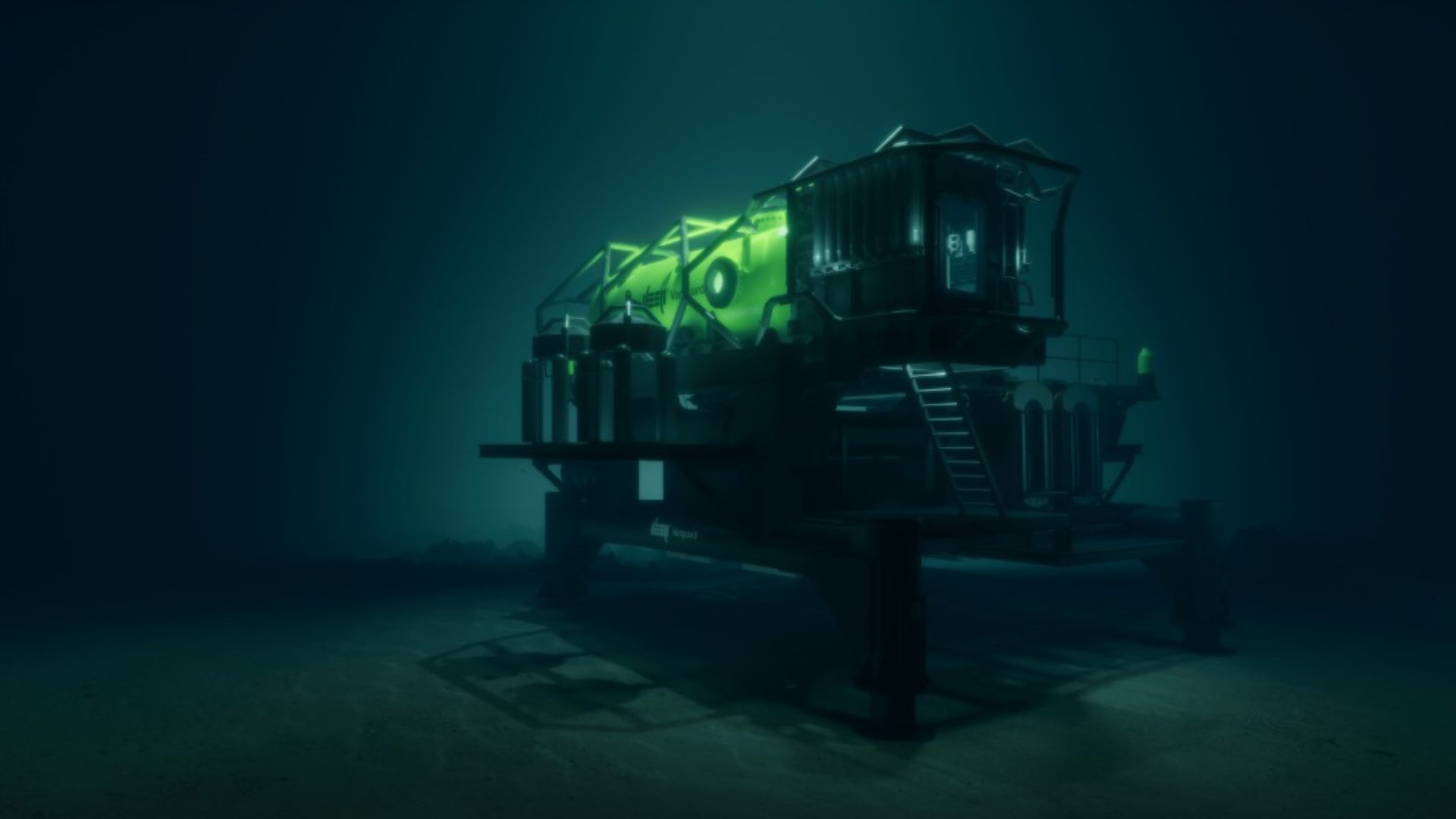
A new underwater research habitat now rests 56 feet below the surface in the Florida Keys National Marine Sanctuary, marking the first open-ocean subsea facility deployed in the US in 40 years.
The school bus-sized facility, named Vanguard, sits about 65 miles off the coast of Florida. It is the first open-ocean underwater research station installed in the US in four decades.
The habitat was developed by marine engineering company DEEP after 18 months of design, construction, and testing. Engineers first placed a foundation on the seabed before lowering the habitat into position with a crane from a support vessel. The system is now waiting for final certification before welcoming its first teams of researchers.
Vanguard: Long-Term Ocean Research
Vanguard can support up to four aquanauts living underwater at the same time. Staying underwater for several days allows scientists to spend more time observing marine life without making repeated trips to the surface. This continuous presence helps improve research quality and reduces time lost during daily dives.
The habitat is connected to a large yellow surface buoy that supplies electricity, fresh air, and communication links. These systems keep the crew connected while providing the essential services needed for safe underwater operations. The design allows researchers to focus on science while living in a stable underwater environment.
DEEP Chief Technology Officer Norman Smith said the successful deployment moves the company closer to its goal of enabling a continuous human presence in the ocean.
READ ALSO: NASA’s PROMISE Rover: From Mars Spare to Nuclear-Powered Moon Explorer
He added that the project represents an important step in expanding underwater exploration and research capabilities.
Supporting Coral Reefs and Climate Studies
The habitat has been installed at Tennessee Reef, a protected research site managed by the National Oceanic and Atmospheric Administration (NOAA).
The reef is known for its unique underwater ridges and slow-growing corals and sponges that support a diverse marine ecosystem. Access to this environment allows scientists to collect detailed information over longer periods.
Researchers will study coral reef health, marine ecosystems, and the effects of climate change on ocean life. Longer underwater missions also improve the ability to monitor changes that are difficult to observe during short dives. The information gathered can help guide future conservation efforts and reef restoration projects.
NOAA Florida Keys National Marine Sanctuary Superintendent Eddie Kertis said underwater habitats have supported important scientific discoveries for decades. He said the new facility strengthens research infrastructure and expands opportunities for marine science while continuing the sanctuary’s long partnership with the scientific community.
READ ALSO: Airbus and Kawasaki Explore Eurodrone Anti-Submarine Variant for Japan’s Maritime Defense
Final Testing Before First Missions
Before scientists move in, Vanguard must complete sea acceptance testing and obtain certification from Det Norske Veritas (DNV), an international organization that verifies compliance with safety and engineering standards.
After approval, researchers and habitat support teams will complete specialized training before beginning underwater missions. These preparations are designed to ensure safe, reliable operations within the habitat.
The new facility arrives as scientists seek better ways to study changing ocean conditions and protect vulnerable coral reefs. By allowing researchers to spend extended periods beneath the sea, Vanguard is expected to strengthen long-term marine science and support future advances in ocean exploration and conservation.