Dead trees, coral skeletons, and oyster shells continue to shape ecosystems long after the organisms die, according to a new study led by researchers from the University of Virginia and collaborating institutions.
The research shows that these natural structures strongly influence how plants and animals survive, grow and rebuild damaged habitats. The findings provide new insights into ecosystem recovery as climate-related disasters become more frequent worldwide.
The study was published in the journal Science Advances. Researchers examined 10 different ecosystems ranging from coral reefs to subarctic forests. Their goal was to understand how the remains of ‘foundation species’ affect ecosystem recovery after death.
Foundation species are organisms that create the physical structure of an ecosystem. Trees, corals, oyster reefs and coastal marsh plants are common examples. These species provide shelter, food and living space for many other forms of life.
Researchers found that the remains of these organisms continue influencing ecosystems after they die. In some cases, dead material reduced survival and growth by nearly 50 percent. In other environments, it increased recovery rates by up to 12 times.
The research was led by Kai Kopecky, a postdoctoral researcher at the University of Colorado’s Environmental Data Science Innovation and Impact Lab. Scientists also analyzed long-term ecological records collected through the US Long Term Ecological Research Network. These datasets track environmental changes over many years and even decades.
According to University of Virginia environmental scientist Max Castorani, foundation species act as nature’s architects. They create complex habitats in places that would otherwise remain simple. Those habitats then support diverse communities of plants and animals.
Coral reefs are one of the best-known examples of foundation species. Forests composed of large trees serve the same role on land. Oyster reefs and coastal marshes also create important habitats for many marine species.
READ ALSO: New Catalyst Turns Methane Into Valuable Liquid Chemicals at Low Temperatures
Different Ecosystems Respond in Different Ways
The study found that dead foundation species do not affect every ecosystem in the same way. Their impact depends on the surrounding environment and the species involved. Some dead structures help recovery, while others slow it down.
In coastal Virginia, dead oyster shells provide hard surfaces where young oysters can attach and grow. As more oysters settle, reefs gradually rebuild themselves. This process strengthens coastal ecosystems over time.
Broken coral skeletons produce a different result. Instead of helping young corals grow, they often allow seaweed to spread more quickly. Seaweed can cover young corals, reducing their survival chances.
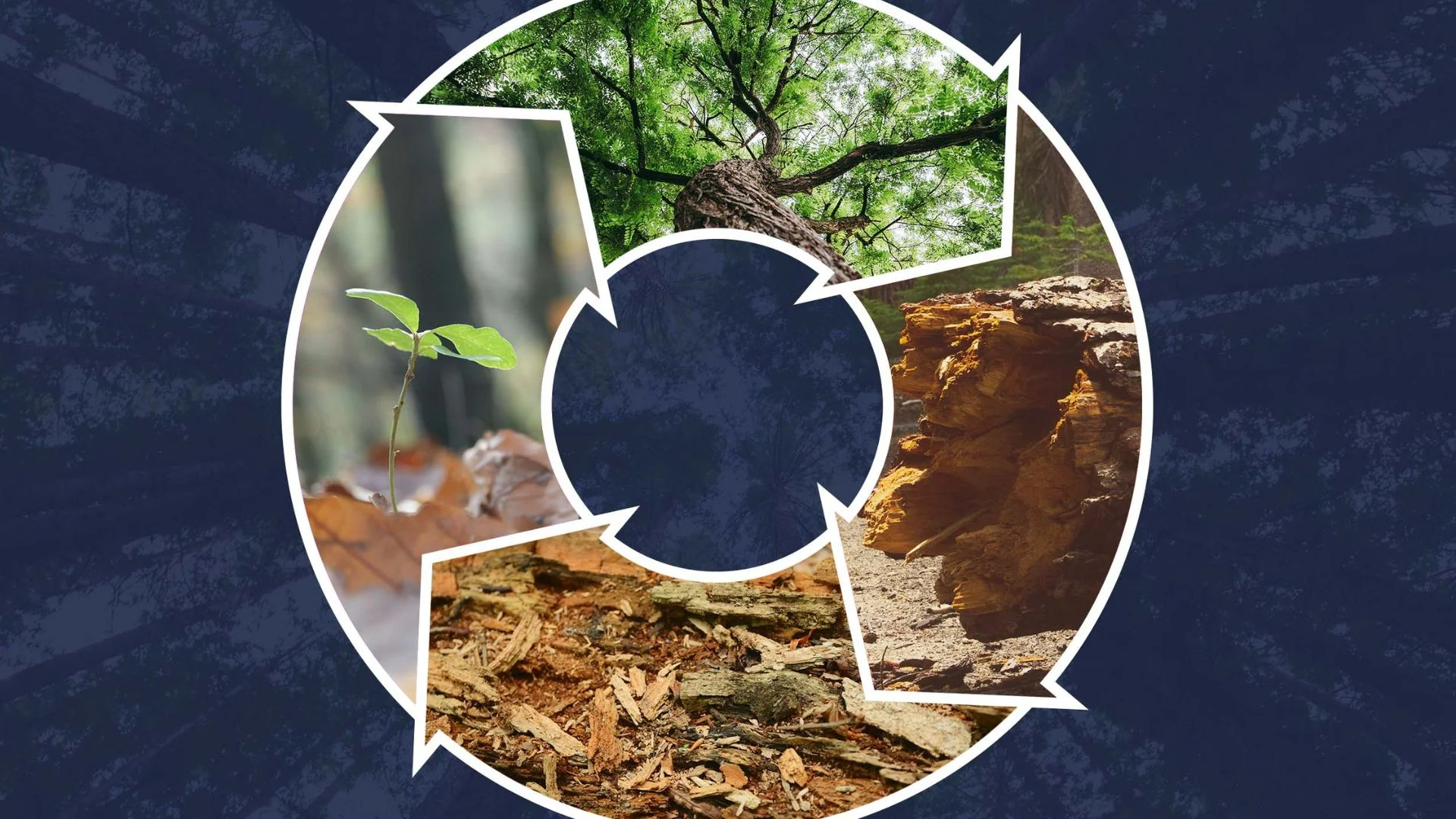
Dead trees also continue supporting forest ecosystems. As fallen logs slowly decompose, they release nutrients back into the soil. Those nutrients help nourish the next generation of trees.
Grasslands show another pattern. When large amounts of dead grass collect on the ground, they block sunlight from reaching new plants below. This slows the growth of young grasses and delays ecosystem recovery.
Researchers said these different responses highlight the importance of understanding each ecosystem individually. Restoration projects cannot rely on a single approach for every habitat. Management strategies must match local environmental conditions.
Study Supports Future Restoration Efforts
The findings arrive as hurricanes, wildfires, heat waves and droughts become more frequent in many regions. These events leave behind large amounts of dead trees, plants and marine organisms. Understanding how those remains affect recovery has become increasingly important.
Scientists said the research can improve ecological restoration projects. Around the world, governments and conservation groups are investing more resources in rebuilding damaged habitats. Better knowledge helps ensure those efforts produce stronger and longer-lasting ecosystems.
Oyster reef restoration is one area where these findings already have practical value. More than 85 percent of the world’s oyster reefs have disappeared because of overharvesting, disease and habitat loss. Restoring these reefs has become a major conservation priority.
The University of Virginia’s Virginia Coast Reserve Long Term Ecological Research project has studied coastal ecosystems since 1986. The project receives support from the US National Science Foundation. Researchers continue monitoring oyster reefs along Virginia’s coastline.
Castorani said oyster shells play an essential role in reef recovery. After oysters die, their shells remain in place and gradually build the reef upward. This process also helps reefs keep pace with rising sea levels.
Researchers are working with conservation organizations, including The Nature Conservancy, to improve oyster reef restoration methods. One important question is how long live oysters and their empty shells remain on a reef. Storms, erosion and burial beneath sediment all affect how long these natural building materials last.
The answer will help restoration teams decide how much oyster shell to add when creating new reefs. It will also determine whether reefs require additional shell material over time. These decisions influence both project costs and long-term ecosystem health.
WATCH ALSO: Tesla’s Optimus humanoid robot steals spotlight at ‘Tron: Ares’ premiere
Researchers believe oyster reefs provide one of the clearest examples of how dead foundation species support new life. Empty shells placed on mudflats create the foundation for entirely new reef ecosystems. Over time, young oysters settle, grow and expand the habitat.
Scientists also want to understand why dead foundation species produce different effects across ecosystems. They are investigating whether young organisms respond differently than mature plants and animals. Future studies will examine these questions across forests, grasslands, wetlands and marine habitats.
The researchers say understanding the long-term role of dead foundation species will improve ecosystem management as environmental pressures continue to increase. Their findings provide valuable guidance for conservation, habitat restoration and climate adaptation projects worldwide.