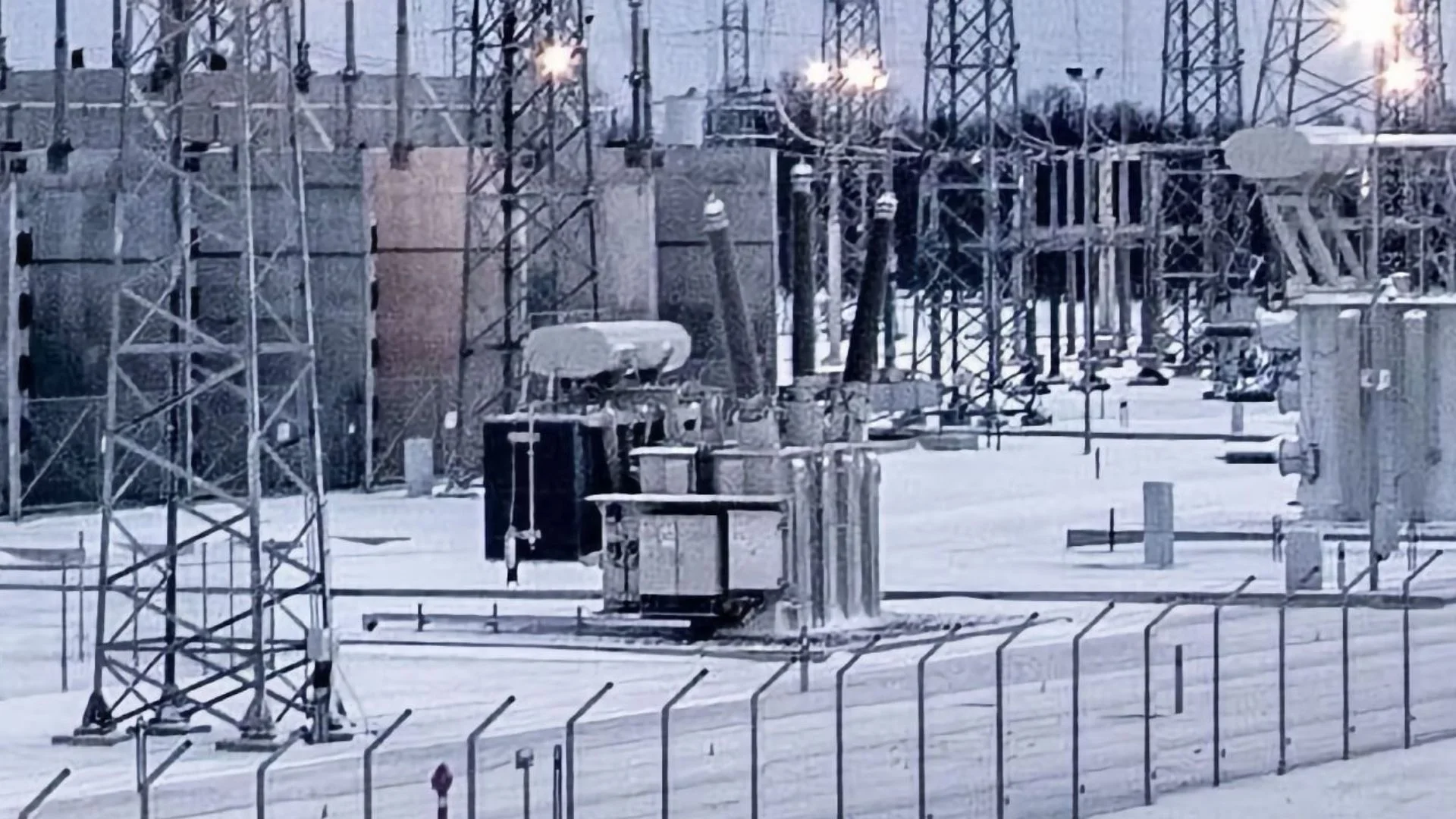
Hitachi Energy has begun a major expansion of its manufacturing campus in South Boston, Virginia.
The project will create the largest power transformer factory in the US and increase domestic production of major grid equipment. The investment comes as electricity demand rises rapidly because of artificial intelligence, data centers, and grid modernization.
Hitachi Expands US Transformer Production
The company is investing $457 million to expand its Virginia facility. The project will create about 825 new jobs in Halifax County. Hitachi Energy already employs around 850 people at the site, where transformers have been built since 1968.
The new factory will manufacture large power transformers for high-voltage electricity networks. These transformers transfer electricity across long distances and help keep the power grid stable. They are widely used by utilities, power plants, industrial sites, and large data centers.
READ ALSO: US Navy Advances Trident II D5LE2 and W93 Warhead to Strengthen Nuclear Deterrence
The expansion forms part of Hitachi Energy’s plan to invest more than $1 billion in US manufacturing. The company aims to increase domestic production of equipment needed for the country’s electricity network. It also plans to strengthen supply chains for major power infrastructure.
Power transformers have become one of the most requested pieces of grid equipment in the US. Utilities need them to replace aging infrastructure and connect new power sources. Delays in transformer deliveries have slowed several energy and transmission projects.
AI and Data Centers Push Electricity Demand
Electricity demand is increasing as artificial intelligence systems require larger and more powerful data centers. Renewable energy projects and the shift toward electric vehicles are also adding pressure to the grid. Utilities are now investing heavily in transmission equipment to meet future demand.
READ ALSO: South Korea’s Cheonryong Bunker-Buster Missile Passes Key Flight Test
An ICF report projects that total US electricity demand will increase by 21% by 2030. The report expects demand to rise by 39% by 2035. Peak electricity demand is forecast to grow by 14% by 2030 and 25% by 2035.
The report says the fastest growth will come from regions with expanding data centers, industrial development, and wider electrification. It estimates that about 445 gigawatts of new power generation will be added between 2026 and 2030. Around 68 gigawatts is expected to enter service in 2026.
The report says new power generation alone will not solve the challenge. Electricity must also move through transmission lines, substations, and transformers. Expanding that infrastructure remains one of the biggest tasks facing the US power sector.
Virginia Key Grid Manufacturing Hub
Virginia is one of the country’s fastest-growing electricity markets because of its large concentration of data centers. Northern Virginia hosts the world’s largest data center cluster. Industry estimates indicate that the region carries about 70% of global internet traffic.
Data centers already account for roughly one-quarter of Dominion Energy Virginia’s electricity sales. The utility expects electricity demand to nearly double over the next 15 years. Continued growth in digital infrastructure is expected to remain the main driver.
WATCH ALSO: High-pressure monster gun can make 40-ton military vehicle more lethal on battlefields
Hitachi Energy said the expanded factory will supply utilities, power producers, industrial customers, and data center operators nationwide. The company said the investment will also improve the availability of domestically manufactured transformer equipment. A significant share of its planned US manufacturing investment is being directed to Virginia.
The expansion adds to nearly six decades of transformer manufacturing in South Boston. It also supports wider efforts to modernize the US electricity grid and improve energy reliability. As electricity demand continues to grow, additional transformer production is expected to play an important role in supporting future power infrastructure.