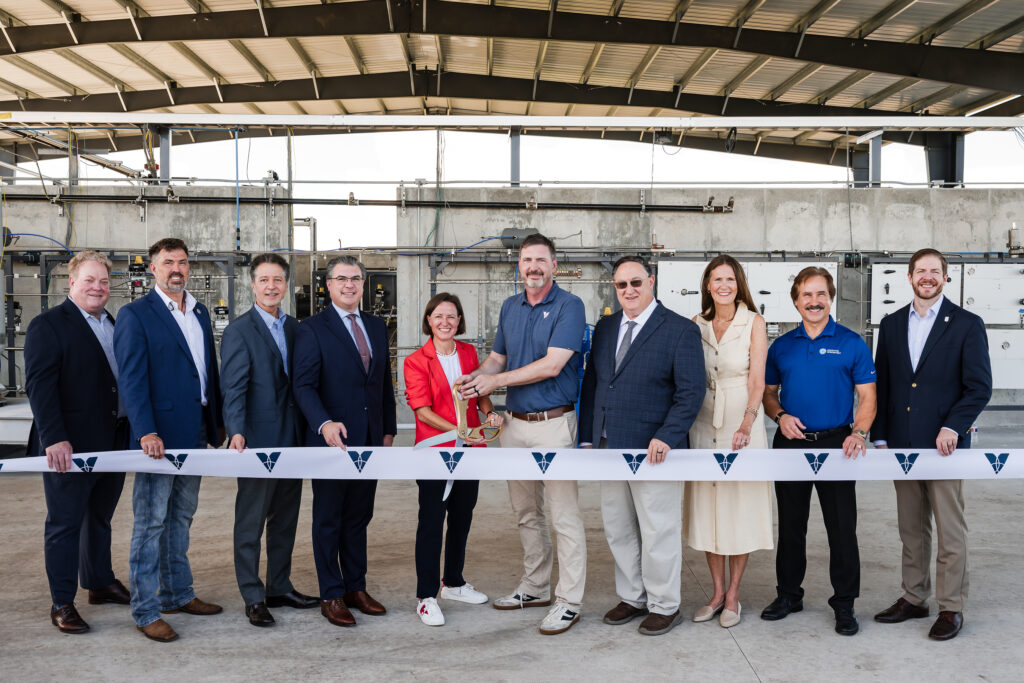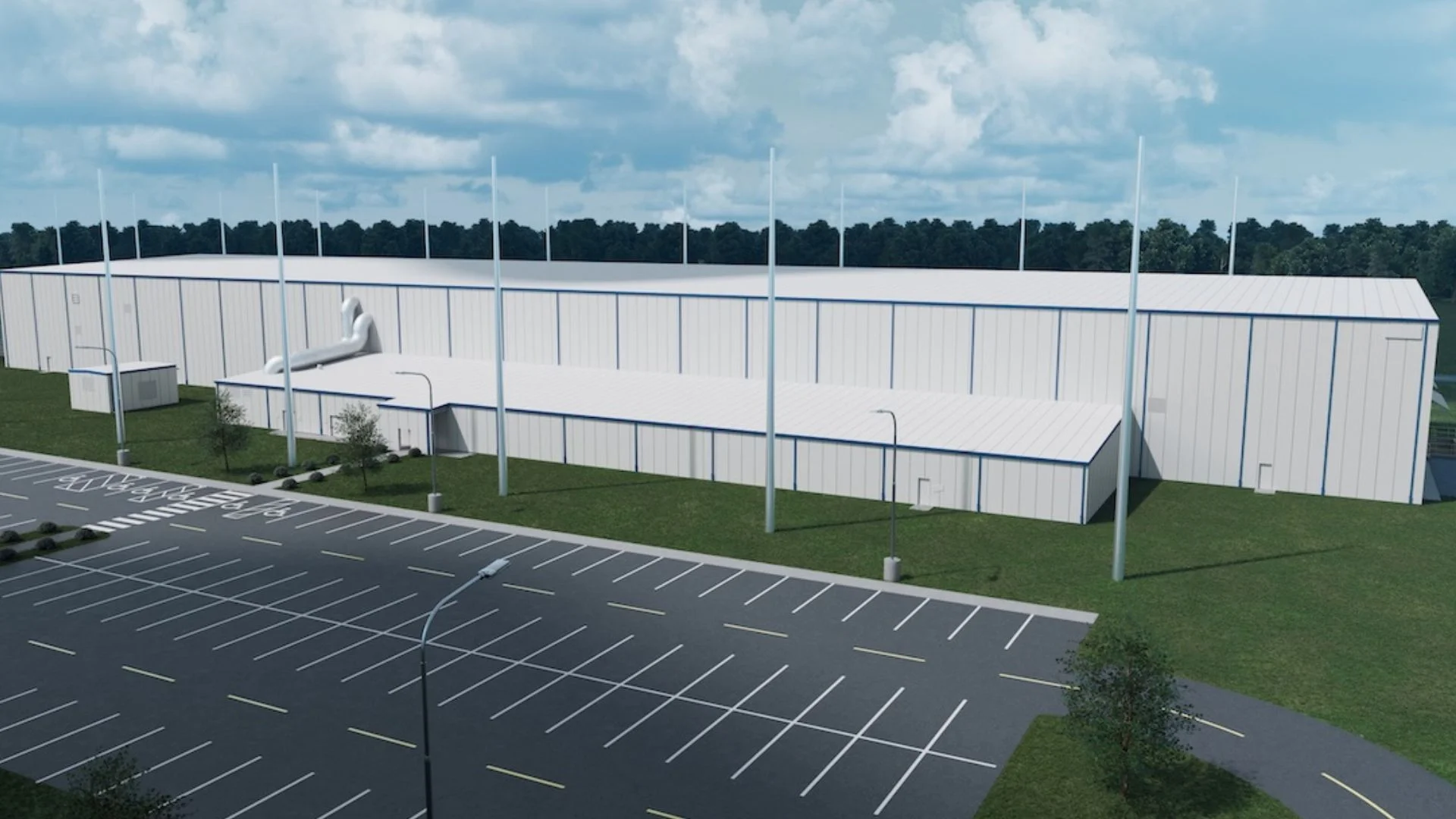
Lockheed Martin has officially inaugurated a new manufacturing facility in Courtland, Alabama.
The site will focus on producing the Next Generation Interceptor(NGI) for the US missile defense network. The opening marks an important step in moving the program from development toward full-scale production.
The new Missile Assembly Building 5(MAB-5), covers 88,000 square feet. The facility incorporates lessons learned from major defense programs, including the Terminal High Altitude Area Defense system. It is designed to improve efficiency, quality control, and production speed.
Lockheed has equipped the facility with advanced manufacturing technologies. These include automation systems, digital workflows, and digital twin tools that create virtual versions of physical systems. Engineers can use these digital models to test designs, identify issues, and improve production before hardware is built.
READ ALSO: Boeing Confirms MQ-28 Ghost Bat Stealth Capabilities in Radar Cross-Section Testing
NGI Mission
The NGI is being developed to protect the US from advanced intercontinental ballistic missiles. These long-range weapons can travel thousands of miles and pose some of the most serious strategic threats. The interceptor is designed to destroy incoming missiles during the midcourse phase of flight.
Unlike older systems, the NGI uses a modular design that allows upgrades throughout its service life. New technologies and components can be added without replacing the entire interceptor. This approach helps the system adapt faster as missile threats continue to evolve.
The interceptor will operate as part of a broader layered defense network. It will work alongside ground-based radars, space-based tracking systems, the Aegis missile defense system, and THAAD batteries. These systems create multiple opportunities to detect, track, and intercept hostile missiles.
WATCH ALSO: India’s indigenous Zorawar light tank has fired an anti-tank guided missile
Industry Partnership And Strategic Impact
Lockheed Martin became the lead contractor for the NGI program under a US Missile Defense Agency contract awarded in April 2024. Several major defense companies are supporting the effort. Aerojet Rocketdyne is providing propulsion systems, Voyager Space is developing upper-stage solid propulsion technology, and Northrop Grumman is supplying target vehicles for testing.
The Courtland facility will also receive support from Lockheed Martin’s manufacturing site in Troy, Alabama. That location handles hardware integration and large-scale production activities linked to the interceptor program. The two facilities create a stronger industrial base for missile defense manufacturing.
Lockheed executives say the NGI was designed with future upgrades in mind from the beginning. The program’s digital architecture allows new technologies to be integrated more quickly as threats change.
As development advances, the new Alabama facility is expected to play a central role in delivering the next generation of US homeland missile defense capabilities.