Researchers in Shanghai have engineered a biological version of the sinoatrial node, the heart’s natural pacemaker.
This small structure controls the timing of every heartbeat inside the human body. It sends electrical signals that tell the heart chambers when to contract and pump blood.
The study was published on May 15 in the scientific journal Cell Stem Cell. Scientists from the Chinese Academy of Sciences and Fudan University led the research. The team also worked with Zhongshan Hospital in Shanghai.
The scientists used human pluripotent stem cells for the experiment. These special cells can develop into many different types of tissue inside the body. Researchers guided them to form a three-dimensional sinoatrial node organoid inside the laboratory.
The team recreated signals normally seen during human embryo development. This helped the stem cells organize into tissue that closely resembled a real human sinoatrial node. The resulting organoid exhibited stable, spontaneous beating patterns.
Scientists then linked the organoid to an artificial cardiac plexus. This network imitates the nerves found around the base of the human heart. It allowed the researchers to recreate how the nervous system naturally controls heartbeat speed and rhythm.
READ ALSO: ESA Satellites Detect Rare Outer Core Reversal Linked to Earth’s Magnetic Field Shifts
The experiment achieved something researchers had struggled to do before. Electrical signals successfully traveled from the lab-grown pacemaker tissue into atrial-like heart tissue. This recreated the full process of heartbeat generation and conduction in a controlled lab setting.
READ ALSO: Germany Builds €36M Floating Lab MODULARIS to Test Hydrogen and Autonomous Ship Tech
Why Biological Pacemaker?
The sinoatrial node is extremely small and difficult to study in humans. It sits near the junction between the right atrium and the superior vena cava, one of the body’s largest veins. Because of its tiny size and hidden location, obtaining healthy tissue samples has always been challenging.
Animal studies have also provided limited answers for scientists. Mouse heart rhythms and electrical systems differ greatly from those of humans. This makes it difficult to apply animal findings directly to human heart disease.
Researchers have spent years trying to create realistic human heart pacemaker models in the lab. A 2024 paper from researchers at SUNY Downstate Health Sciences University highlighted the importance of developing such models. Scientists believe they can help improve the understanding of heart rhythm disorders and support future treatment methods.
The new organoid closely matched the gene expression pattern observed in human embryonic sinoatrial node cells. Researchers also tested how it reacted to drugs that change heart rate. The tissue responded in ways similar to a natural human heart pacemaker.
This makes the organoid valuable for drug development and safety testing. Scientists can now study how new heart medications affect pacemaker cells without relying only on animal models. The system also provides researchers with a safer, more controlled environment for experiments.
The study adds momentum to the growing field of organoid research. Organoids are tiny lab-grown versions of human organs or tissues. They help scientists study diseases, test medicines, and explore regenerative medicine without using full human organs.
WATCH ALSO: Boston Dynamics has revealed that grippers are one of the most intricate parts of a humanoid robot
Future Impact on Heart Disease Treatment
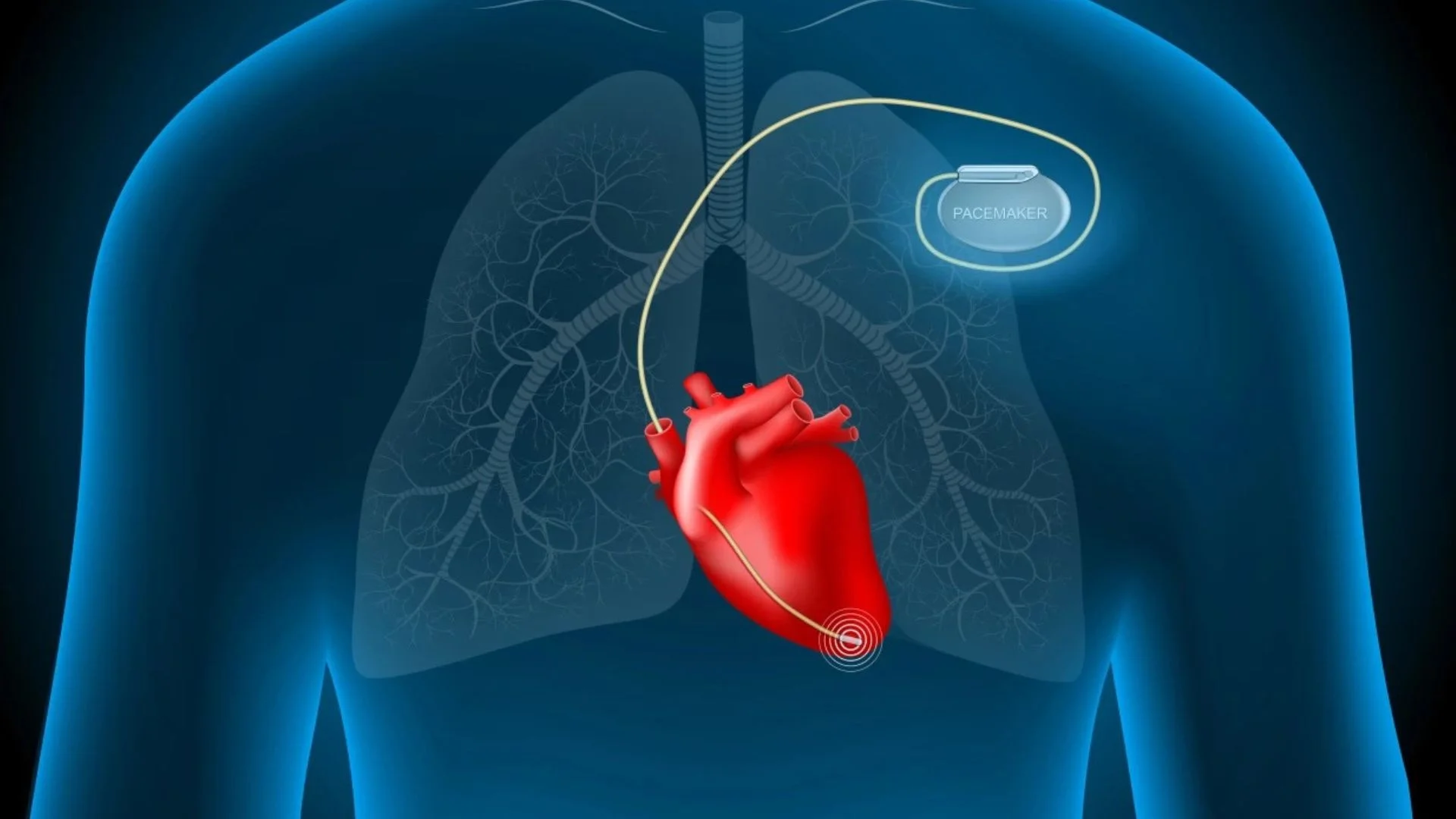
Electronic pacemakers have been used in medicine for more than 50 years. These implanted devices send electrical pulses to help control irregular heartbeats. They save millions of lives worldwide each year.
However, electronic pacemakers also have limitations. Patients may face risks such as infections, device failures, and the need for repeated surgeries for battery replacement. Traditional devices also cannot fully adapt as the patient’s body changes over time.
Scientists believe biological pacemakers could solve some of these problems in the future. A living pacemaker made from human cells may integrate more naturally with heart tissue. It may also respond better to the body’s changing needs during exercise, stress, or aging.
China has recently become highly active in organoid and artificial organ research. In June last year, researchers at Stanford University announced the creation of heart and liver organoids with tiny blood vessels. In September, a Shanghai laboratory reported growing an artificial heart measuring 1 centimeter with ventricles, atria, and blood vessels.
The latest study adds another important step in regenerative medicine. Scientists still need to test safety, long-term stability, and transplantation methods before clinical use becomes possible. Human trials are also expected to take years of further research and regulatory review.
Even so, the work shows how fast cardiac bioengineering is advancing worldwide. Researchers are now moving closer to building living heart tissues that can repair or replace damaged parts of the human heart. The technology may eventually change how doctors treat serious rhythm disorders and heart failure.