Russia has begun installing anti-drone systems on its nuclear submarines in Kamchatka.
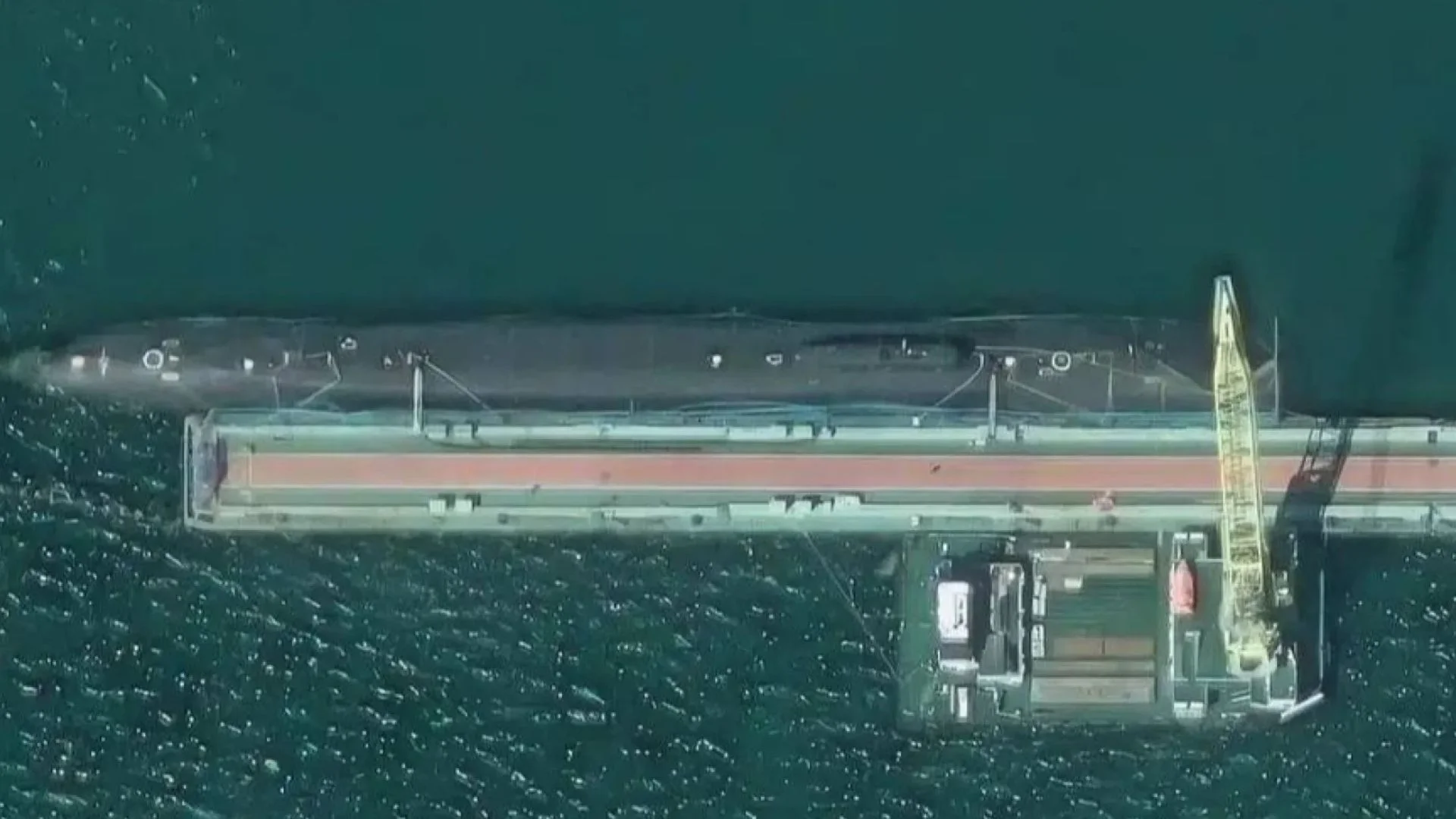
New satellite images show large nets covering two Borei-class submarines at the Rybachiy naval base.
The base is one of Russia’s most important submarine centers in the Pacific region. It is located about 7,400 kilometers away from Ukraine.
Even though the base is far from the war zone, Russia is worried about possible surprise drone attacks. The new nets are meant to protect the submarines from small attack drones.
READ ALSO: From Weeks to Hours: AI’s Silent Takeover of US Nuclear Licensing
The images were shared by defense monitoring group Vantor. One submarine appears to be a standard Project 955 Borei-class vessel, while the other is believed to be the newer Project 955A Borei-A model. Both submarines are part of Russia’s sea-based nuclear deterrent force.
Nuclear Submarines Get Defenses
Rybachiy is the main nuclear submarine base of Russia’s Pacific Fleet. The facility supports long-range patrols across the Pacific Ocean and houses several strategic submarines. Each Borei-class submarine can carry up to 16 Bulava intercontinental ballistic missiles.
The Bulava missile is a submarine-launched nuclear missile designed for long-distance strikes. These submarines are considered one of the most important parts of Russia’s nuclear defense system. The base also hosts attack submarines and cruise missile submarines.
The new netting stretches across the entire upper surface of the submarines. Analysts believe the nets are designed to prevent small drones from landing directly on the vessels or from dropping explosives onto sensitive areas. The protection does not hide submarines from satellites, but rather serves as a physical barrier against low-flying drones.
Anti-Drone Measures Spread Across Russian Navy
Russia has already used similar anti-drone defenses on warships operating closer to the conflict zone. Several naval vessels in the Black Sea have been seen with cages, metal frames, and protective nets installed around exposed areas. These defenses are mainly intended to reduce damage from small FPV drones.
FPV drones are lightweight unmanned aircraft controlled through live video feeds. They are widely used in the Ukraine war for reconnaissance and direct attacks. Some models can carry small explosive devices and strike targets with high precision.
WATCH ALSO: This robotic system to pick strawberries automates tough tasks
Russian naval vessels in Novorossiysk and other ports have already received such upgrades. These include harbor defense boats and support vessels operating near active military areas. Submarines in the Baltic Sea and Arctic regions have also been fitted with smaller mesh covers above their navigation bridges.
The bridge area on a submarine is especially sensitive because it provides access to internal control sections. The mesh coverings appear designed to stop drones from dropping explosives directly through open hatches. The new system at Rybachiy goes much further by covering almost the entire submarine.
Why Russia Is Expanding Drone Protection
Military experts believe Russia fears surprise attacks launched closer to strategic bases rather than from Ukraine itself. Small drones can be transported secretly and launched from nearby areas using portable equipment. That concern has increased after recent covert drone operations linked to attacks deep inside Russian territory.
The new defenses also show how drone warfare is reshaping military planning worldwide. Naval bases once considered safe because of their distance are now adapting to smaller, cheaper aerial threats. Many countries are reviewing how to protect ships, aircraft, and nuclear assets from low-cost drones.
There are also concerns about the practical challenges of these protective nets. Large coverings may create operational difficulties during rough weather or emergency evacuations. Protective barriers on ships can sometimes trap crews during accidents or combat situations.
READ ALSO: China Achieves World First by Reviving 35kV Stabilizers, Rewiring Grid Stability
However, Russia appears willing to accept those risks in exchange for additional protection. Analysts will continue monitoring whether more submarines at Rybachiy receive similar coverings in the coming months. The development reflects how drone warfare is influencing even the most remote and heavily protected military facilities in the world.