More than a decade after the Fukushima Daiichi nuclear disaster, investigators have detected extremely high radiation levels inside a reactor at Japan’s Fukushima Daiichi Nuclear Power Plant.
The findings were released by Tokyo Electric Power Company Holdings(TEPCO), the company responsible for managing the plant.
According to the company, this is the first time since the 2011 disaster that radiation levels have been directly measured inside one of the reactors that experienced a core meltdown.
The investigation focused on Reactor No. 2, one of three units severely damaged during the accident. On April 16, engineers carried out a detailed inspection using a fiberscope, a thin, flexible device equipped with a camera and radiation sensors. The tool was carefully inserted into the reactor through existing piping to reach areas that remain inaccessible to humans due to extreme conditions.
READ ALSO: 94% Gone: Nanopillars in Plastic Film Tear Viruses Apart on Contact
At a point about five meters above the bottom of the reactor vessel, the device recorded radiation levels of approximately 4.7 sieverts per hour. Experts classify this level as ‘extremely high.’ To put it simply, exposure to such radiation, even for a short time, can be dangerous to human health.
Japan’s public broadcaster NHK reported that this measurement provides rare and valuable insight into conditions deep inside the reactor. Till now, most information about the interior has been based on indirect data and computer models.
TEPCO said the results confirm that a significant amount of nuclear debris still remains inside the reactor. This debris is a mix of melted nuclear fuel, structural materials, and other substances formed during the meltdown. The company added that it will continue analyzing the data to better understand the situation and develop safer methods for removing the material.
WATCH ALSO: China’s UBTech has started world’s first mass delivery of humanoid robots
The presence of this highly radioactive debris remains one of the biggest challenges in the long-term decommissioning of the Fukushima plant. Removing it is a complex and risky task that engineers and scientists have been working on for years.
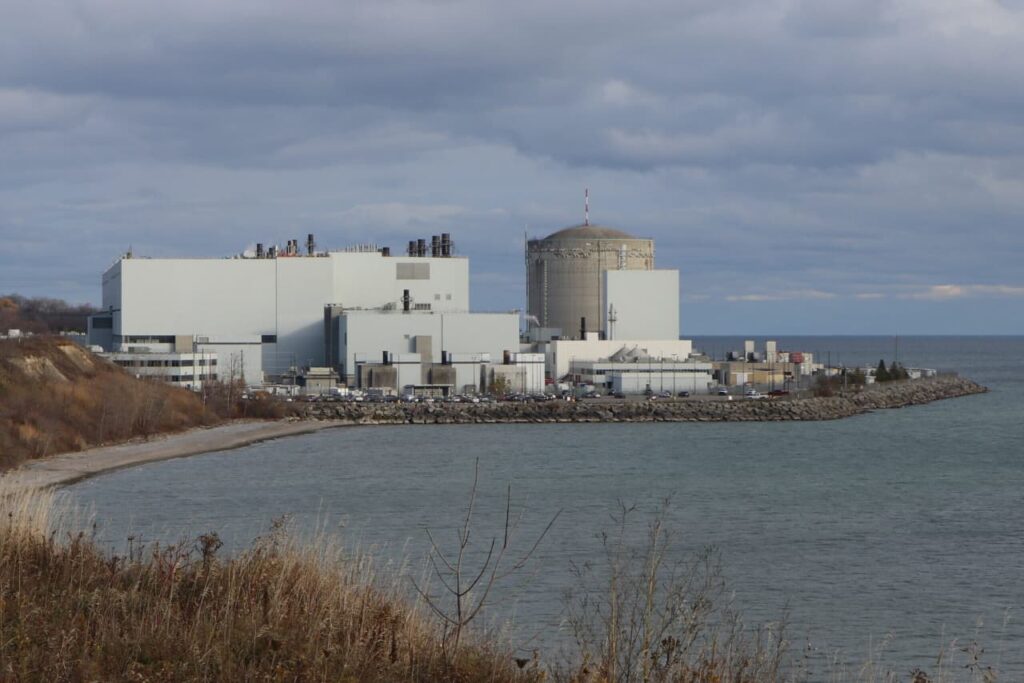
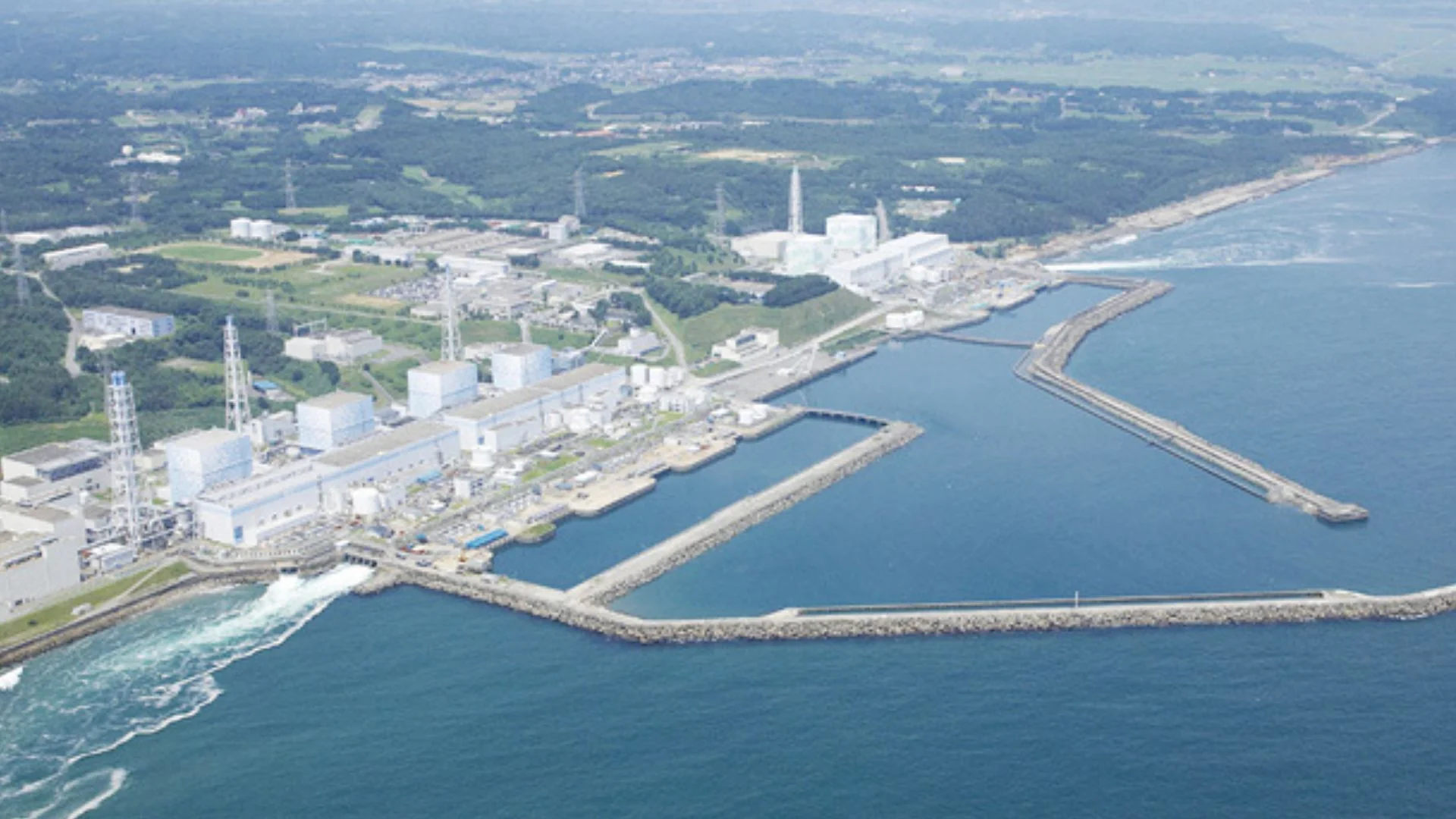
Fukushima Daiichi Nuclear Facility
The Fukushima Daiichi facility once played a key role in Japan’s energy system. Located on the country’s northeast coast, it was designed to supply electricity to millions of homes and businesses. The plant housed six reactors and was considered a key part of Japan’s nuclear power strategy before the disaster.
That disaster began on March 11, 2011, when a powerful 9.0-magnitude earthquake struck off Japan’s coast. The quake triggered a massive tsunami that overwhelmed the plant’s defenses. Floodwaters knocked out critical cooling systems, causing reactors No. 1, No. 2, and No. 3 to overheat.
READ ALSO: This One Contact Trick Pushes Perovskite Solar Cells to 25.61% Efficiency
Without proper cooling, the nuclear fuel inside these reactors melted, leading to core meltdowns. Hydrogen explosions further damaged the buildings, releasing radioactive materials into the environment. The incident forced thousands of residents to evacuate and led to a global rethinking of nuclear safety.
In the years since, cleanup and decommissioning efforts have been slow and difficult. Engineers estimate that around 880 tonnes of nuclear debris remain across the affected reactors. Each piece must eventually be located, handled, and safely removed, a process expected to take decades.
The latest radiation measurement underscores just how dangerous the environment inside the reactors remains. It also shows how much work remains before the site can be fully stabilized.
WATCH ALSO: China showcases new 40,000-ton amphibious assault ship Sichuan
TEPCO emphasized that the new data will help guide future steps. The company plans to refine its debris-removal strategies, relying on robotics and remote technologies to minimize risks to workers.
While progress has been made in containing the site and reducing environmental impact, the Fukushima Daiichi plant continues to present technical and safety challenges. The new findings serve as a reminder that the legacy of the 2011 disaster is far from over. However, the focus remains on understanding what lies inside the reactors and finding safe ways to deal with it.