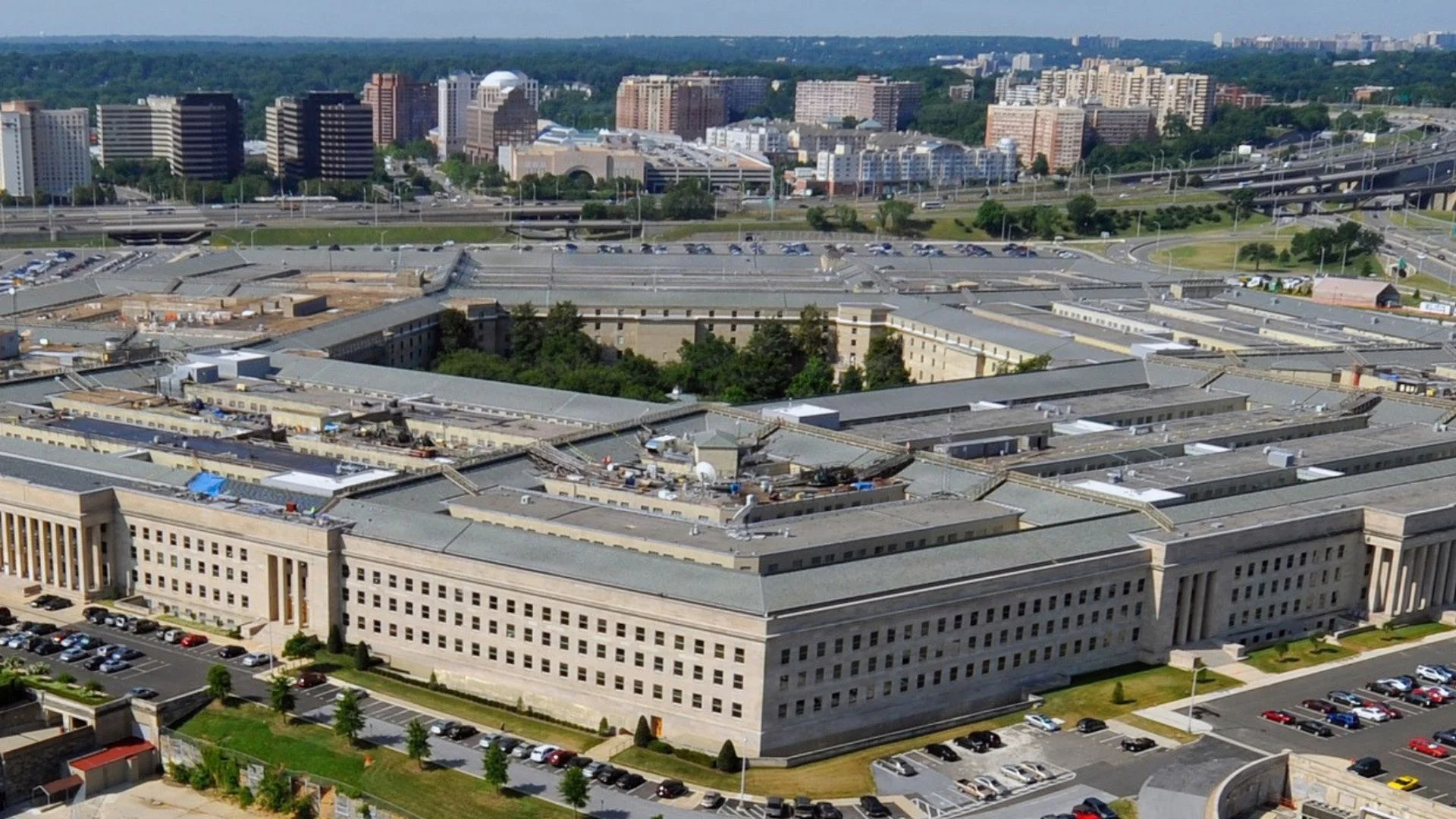
In a significant move to strengthen border security, the Pentagon and the Federal Aviation Administration (FAA) have signed a new agreement.
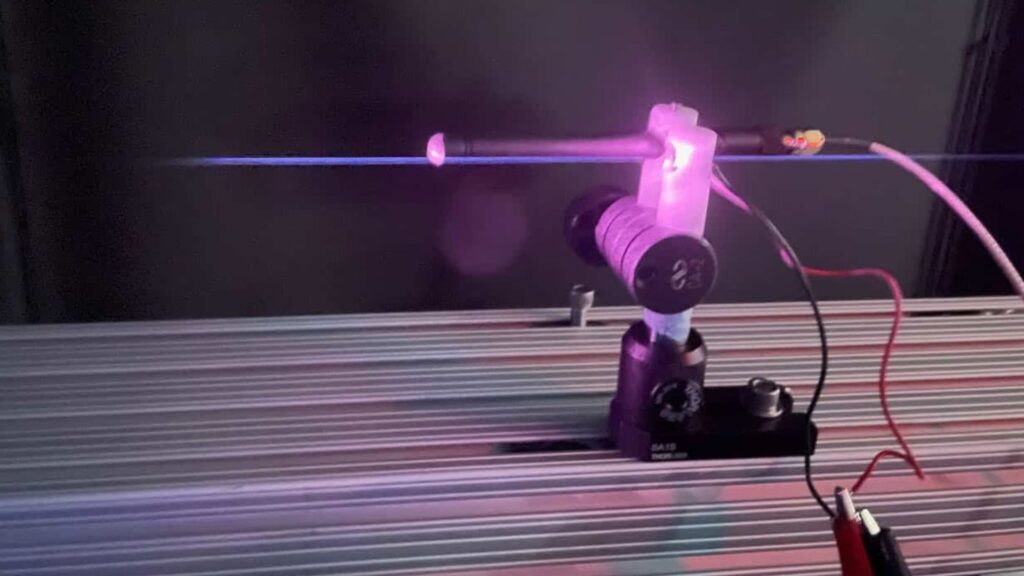
This deal allows the use of a high-energy laser system designed to counter drones along the southern border of the US near Mexico.
The decision comes after careful testing and evaluation. The FAA conducted trials in New Mexico to study how the laser system works in real-world conditions.
Officials reviewed its safety measures closely. According to FAA Administrator Bryan Bedford, the system does not pose any additional risk to commercial flights. He said the agency reached this conclusion after a thorough, data-informed Safety Risk Assessment.
READ ALSO: Solid state nuclear battery to offer 100-year longevity with low power consumption
However, the agreement follows a series of troubling incidents that had raised serious concerns earlier this year.
On February 25, the US military accidentally shot down one of its own government drones using the same laser system. The incident took place near Fort Hancock, Texas. In response, the FAA expanded a no-fly zone in that area to prevent any risks to civilian aircraft.
Just days before that, on February 18, the FAA had taken an even stronger step. It ordered a temporary halt to all flights at El Paso International Airport.
This decision came after a Homeland Security agency used the Pentagon’s laser system without completing a required FAA safety review. The shutdown was initially set for 10 days but lasted only about eight hours. The restriction was quickly lifted following intervention from the White House.
WATCH ALSO: Two humanoid robots hold unscripted conversation for hours
Despite these incidents, officials now say the system is safe when proper procedures are followed.
The Pentagon has pointed to a growing security threat along the border. It reports more than 1,000 drone incursions every month. US officials are increasingly concerned about how these drones are being used. According to security agencies, Mexican cartels are using drones to transport drug packages and monitor trafficking routes.
Recent sightings have also raised alarms beyond the border. Last month, drones were reportedly seen over Fort McNair in Washington, D.C.. The base is home to senior officials, including Secretary of State Marco Rubio and Defense Secretary Pete Hegseth.
Even so, there is no indication that the Pentagon plans to deploy the laser system at that location, especially given its proximity to Reagan Washington National Airport.
READ ALSO: ORNL Develops Superionic Polymer Electrolyte for Advanced Solid-State Batteries
The issue has also drawn political attention. Senator Tammy Duckworth has called for a review of how decisions were made regarding the system’s use. She has urged federal watchdogs to examine both the deployment process and the FAA’s earlier decision to close airspace.
As the US moves forward with this advanced defense system, questions remain about balancing security needs with aviation safety. The agreement marks a new phase, but it also highlights the challenges of using powerful technology in sensitive airspace.