North Korea has carried out another round of missile tests, unveiling a new lightweight launch system and AI-guided tactical cruise missiles.
The tests are part of Pyongyang’s ongoing effort to modernize its missile and artillery forces under a long-term military development plan. The launch activity has drawn attention from South Korea, the US, and regional security analysts.
North Korea announced that the tests took place on Tuesday under the supervision of leader Kim Jong Un. State media outlet Korean Central News Agency (KCNA) said the trials involved a newly developed multi-purpose missile launcher and several advanced missile systems. The country described the launches as an important step in improving battlefield strike capabilities.
According to KCNA, the tests were conducted by North Korea’s Missile Administration and the Academy of Defense Science.
Officials said the launches were linked to the country’s five-year defense modernization strategy. The program focuses on improving artillery precision, missile mobility, and strike accuracy.
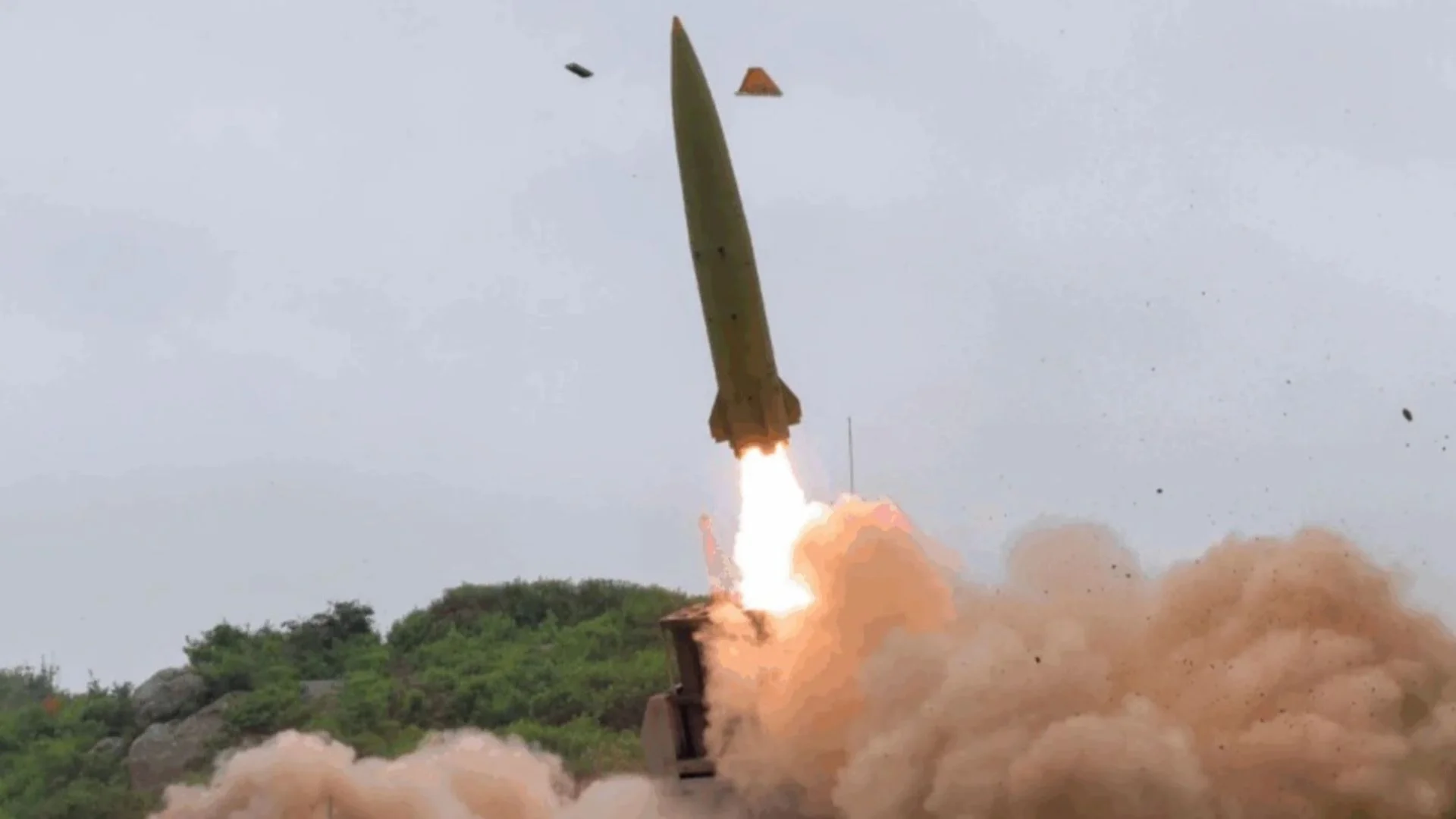
The test included what North Korea called a special mission tactical ballistic missile. Images released by state media showed a missile believed to be the Hwasong-11D short-range ballistic missile. Defense experts say this missile can carry different warheads, including conventional, fragmentation, chemical, or nuclear payloads.
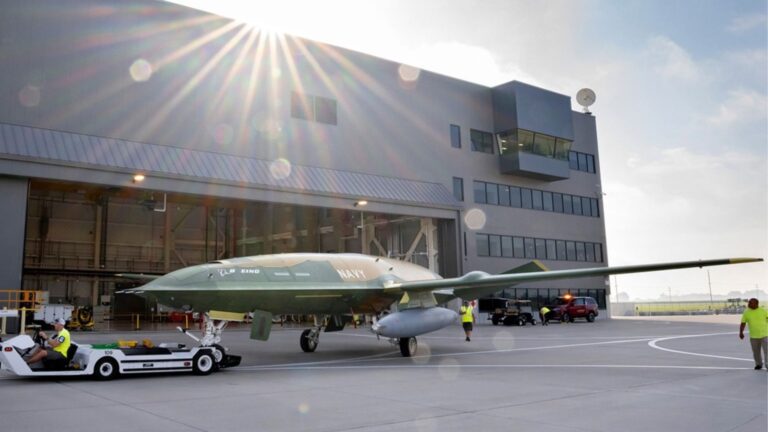
READ ALSO: US Links F-35 Fighter Jet With MQ-20 Drone in Autonomous Combat Aircraft Test
Photos from the launch also revealed two-wheeled mobile launch vehicles. One launcher carried a container system loaded with 240mm guided artillery rockets. The second launcher appeared designed to fire a single Hwasong-11D ballistic missile.
AI-Guided Cruise Missile Features
North Korea also tested a tactical cruise missile equipped with advanced guidance technology. KCNA said the missile combines an autonomous navigation system with terrain-matching guidance. The system allows the missile to fly at low altitude while adjusting its path using surrounding geographic features.
The cruise missile reportedly includes artificial intelligence-based terminal guidance. This technology helps the weapon identify and strike targets more accurately during the final stage of flight. North Korea claimed the missile can hit targets within a range of around 100 kilometers.
The missile uses both glide and powered flight modes during its attack sequence. Glide flight helps reduce fuel use and lowers radar visibility during part of the mission. Powered flight then provides speed and maneuverability before impact.
Military analysts say many countries are now focusing on AI-supported missile systems. Similar technologies are being developed to improve targeting precision and reduce reaction times in modern warfare. North Korea’s latest test suggests Pyongyang is also moving toward more automated battlefield weapons.
Kim Jong Un praised the weapons tests after observing the launches. KCNA quoted him as saying the trials showed major progress in strengthening the combat power of the North Korean military. He described the event as a sign of continued military modernization.
WATCH ALSO: SpaceX rocket sends 11,000 pounds of scientific investigations, cargo to space station
South Korea and US Monitor Missile Activity
North Korea did not reveal the exact location of the tests. However, South Korea’s Joint Chiefs of Staff said it detected multiple projectiles launched from the Jeongju area in North Pyeongan Province. The missiles were fired toward the Yellow Sea at around 1 p.m. local time.
South Korea said the projectiles included short-range ballistic missiles. Initial assessments showed the missiles traveled roughly 80 kilometers before landing. South Korean and US intelligence agencies are continuing a detailed analysis of the launch data.
The South Korean military said it remains prepared to respond to any future provocations. Officials stated that Seoul and Washington are maintaining a strong combined defense posture. The latest launches come amid continued tensions on the Korean Peninsula.
The US Indo-Pacific Command also responded to the missile activity. The command said current assessments show the launches do not pose an immediate threat to US territory, troops, or allied nations in the region. At the same time, the US reaffirmed its defense commitments to South Korea and Japan.
North Korea Expands Missile and Naval Weapons Program
Tuesday’s launch marked North Korea’s eighth missile test activity of the year. The country has steadily increased weapons testing in recent years despite international sanctions and diplomatic pressure. Pyongyang argues that its military programs are necessary for national defense.
North Korea has recently focused on improving short-range missiles and cruise missile systems. These weapons are designed to evade missile defense systems by flying at low altitudes or using unpredictable flight paths. Mobile launchers also make missile systems harder to detect and destroy before launch.
In recent months, North Korea has also tested weapons linked to its new destroyer, Choe Hyon. The warship is believed to support advanced cruise missile operations and naval strike missions. Analysts say this signals a broader push to modernize both land and sea-based attack systems.
The latest tests highlight North Korea’s continued investment in precision-guided weapons and mobile launch technology. The development comes amid growing military competition in East Asia.
Regional governments are expected to closely monitor Pyongyang’s next military moves as tensions remain high across the Korean Peninsula.