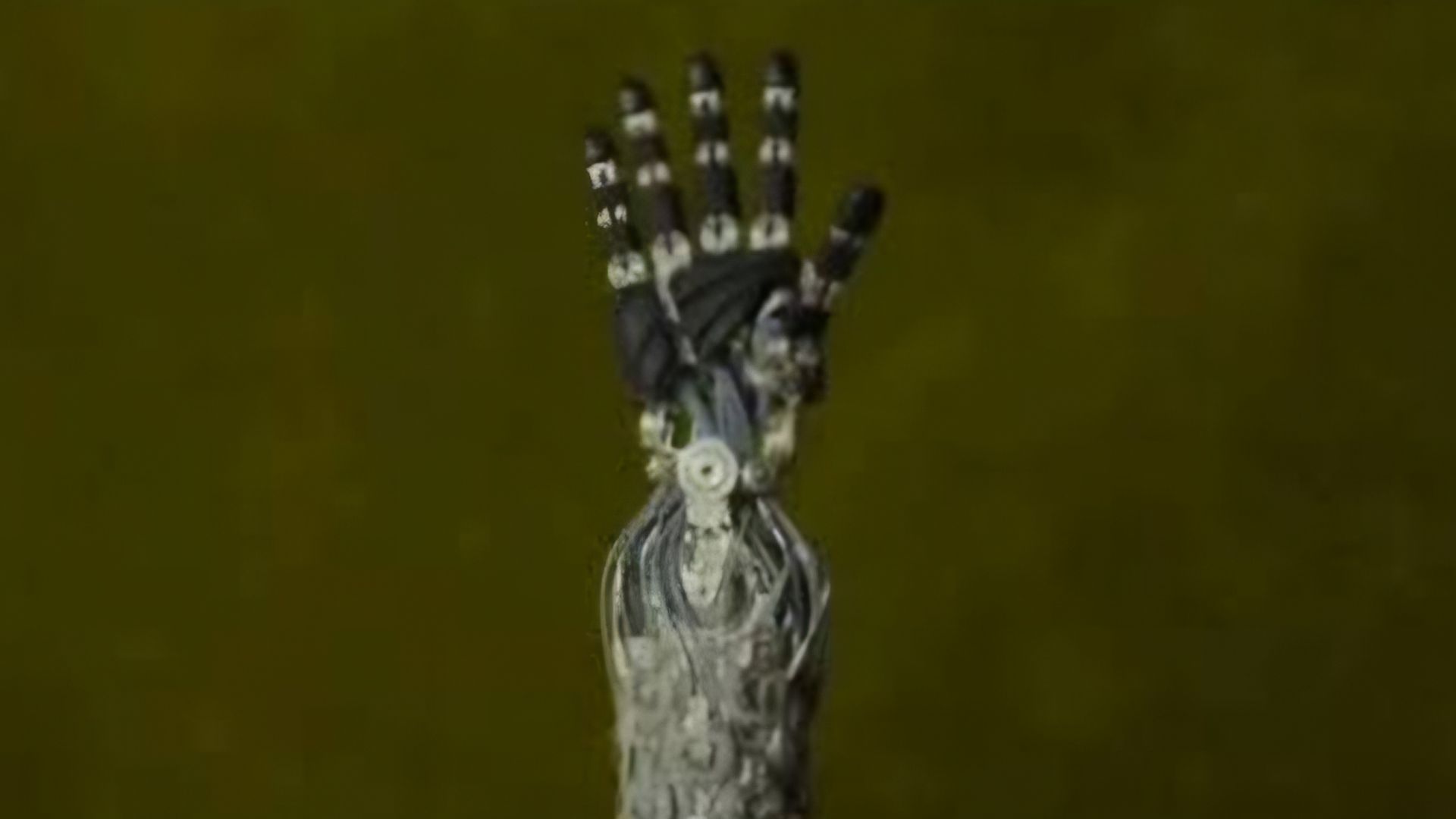
Humanoid robotics company 1X has introduced a new generation of robotic hands for its Neo robot, bringing human-like movement, touch sensing, and precise object handling closer to everyday use.
The new hands feature 25 powered degrees of freedom, tendon-driven mechanics, and advanced tactile sensors designed to improve how robots interact with household objects. The development marks an important step toward making humanoid robots more practical for daily tasks in homes.
The new hands feature allows each finger and joint to move independently, creating movements that closely resemble those of a human hand. The company says this design offers near-human-level dexterity, strength, and reliability.
Unlike many robotic hands that rely on heavy gear systems, Neo uses a tendon-driven mechanism with much lower gear ratios. Tendons pull the fingers in a way that resembles how muscles and tendons work in the human body. This design improves flexibility while also making movements smoother and more responsive.
The lower gear ratios also make the fingers backdrivable, meaning they can move slightly when an external force is applied. Instead of resisting every touch, the hand responds naturally and measures the applied force. This enables the robot to collect valuable information while interacting with objects.
Neo Robot Feels Touch
Most robotic hands operate by simply following movement commands without sensing what they are touching. Engineers often describe such systems as write-only because they execute commands but receive very little physical feedback. That limitation makes it difficult for robots to safely handle unfamiliar or delicate objects.
Neo’s new hands address this problem through what 1X calls “force transparency.” Every powered joint acts as both a motor and a sensor, allowing the robot to move while simultaneously measuring pressure from outside forces. This continuous exchange of information helps the robot understand how firmly it is holding an object.
The fingertips are covered with a tactile-sensing layer that detects more than just touch. The sensors measure pressure, the exact location of contact, and shear force, which refers to sideways movement across the surface. Shear sensing helps the robot detect when an object begins to slip from its grip.
Humans naturally adjust their grip when something starts to slide from their hands. Neo is designed to respond similarly by detecting movement and adjusting its grip in real time. This capability is expected to improve performance when handling fragile or unevenly shaped objects.
READ ALSO: China Defends RoboCup Humanoid Title as Standardized Robots Reshape AI Research
The enhanced sensing system also supports learning through physical interaction. Instead of relying only on cameras, the robot gathers information by touching, pressing, and manipulating objects. This allows it to better understand the weight, texture, and firmness of unfamiliar items.
Built for Daily Use
The new robotic hands are designed not only for precision but also for regular household use. According to 1X, the hands are fully sealed to an IP68 standard, allowing them to operate even after being immersed in water. This makes Neo one of the few humanoid robots with washable hands.
The washable design allows the robot to clean its hands after completing tasks involving food or other messy materials. For example, the company says Neo can prepare meals, wash its hands afterward, and continue working without spreading dirt or food residue. This feature supports improved hygiene during everyday household activities.
The hands are also designed to combine strength with delicate handling. According to the company, they can lift a 20-pound kettlebell yet be gentle enough to pick grapes from their stems. They can also install a light bulb and pick up a small screw from the floor.
Durability was another important focus during development. 1X says the hands have completed millions of testing cycles before release. The wrist joints alone have operated for over 2 million cycles while carrying loads, demonstrating long-term reliability.
The company believes durable hands are essential because household robots must repeat the same movements every day. Tasks such as folding clothes, cleaning surfaces, cooking meals, and organizing household items require consistent performance over extended periods. Reliable hardware reduces maintenance while improving long-term usefulness.
Future Software Upgrades Ahead
1X believes that hands are among the most important components of a humanoid robot. While legs help the robot move around and the body houses computing systems and batteries, the hands perform nearly all practical work. Their performance largely determines how useful the robot becomes in daily life.
Company representatives have also indicated that Neo’s hardware currently exceeds the abilities of its artificial intelligence software. This means the robot already contains capabilities that future software updates will gradually unlock. Over-the-air updates are expected to improve Neo’s performance on increasingly complex tasks over time.
READ ALSO: MIT’s Tiny Robot Boats Turn Water into Smart, Self-Building Floating Infrastructure
The development also reflects wider competition across the humanoid robotics industry. Several companies are investing heavily in advanced robotic hands because manipulation remains one of the most difficult engineering challenges. Better hands allow robots to work safely in homes, workplaces, and other environments built for people.
Industry observers have noted that robotic hands account for a significant share of the overall engineering complexity of a humanoid robot. Designers must balance strength, flexibility, sensing, durability, and compact mechanical systems within a limited amount of space. Achieving all of these requirements simultaneously remains a demanding technical challenge.
1X’s latest design shows how quickly robotic manipulation technology continues to advance. As both hardware and artificial intelligence improve together, humanoid robots are moving closer to performing a wider range of practical household tasks with greater safety, accuracy, and independence. The progress made with Neo’s hands may help shape the next generation of home robotics in the years ahead.