China has switched on an unprecedented expansion in battery manufacturing, setting the pace for the global energy storage race.
In just the first two months of 2026, the country’s top battery makers have revealed plans to add over 600 gigawatt-hours (GWh) of new production capacity. This scale alone is nearly ten times the total battery capacity installed across the US in 2025.
The rapid expansion reflects growing global demand for renewable energy and the urgent need for reliable storage systems. As countries push for cleaner energy, batteries are becoming the backbone of modern power infrastructure.
Major Chinese players, including Contemporary Amperex Technology Ltd and Gotion High-tech, are leading this surge. According to the GGII Energy Storage Research Institute, at least 19 battery manufacturers in mainland China are investing a combined 180 billion yuan (around $26.3 billion) into new lithium-ion battery plants.
READ ALSO: Butterfly-Inspired Lattice Resists Impact and Absorbs Energy for Aerospace, Earthquake Safety
Once completed, these projects are expected to deliver up to 900 GWh of annual production capacity. Around 70% of this will go toward energy storage systems (ESS), while the remaining 30% will support the electric vehicle (EV) sector.
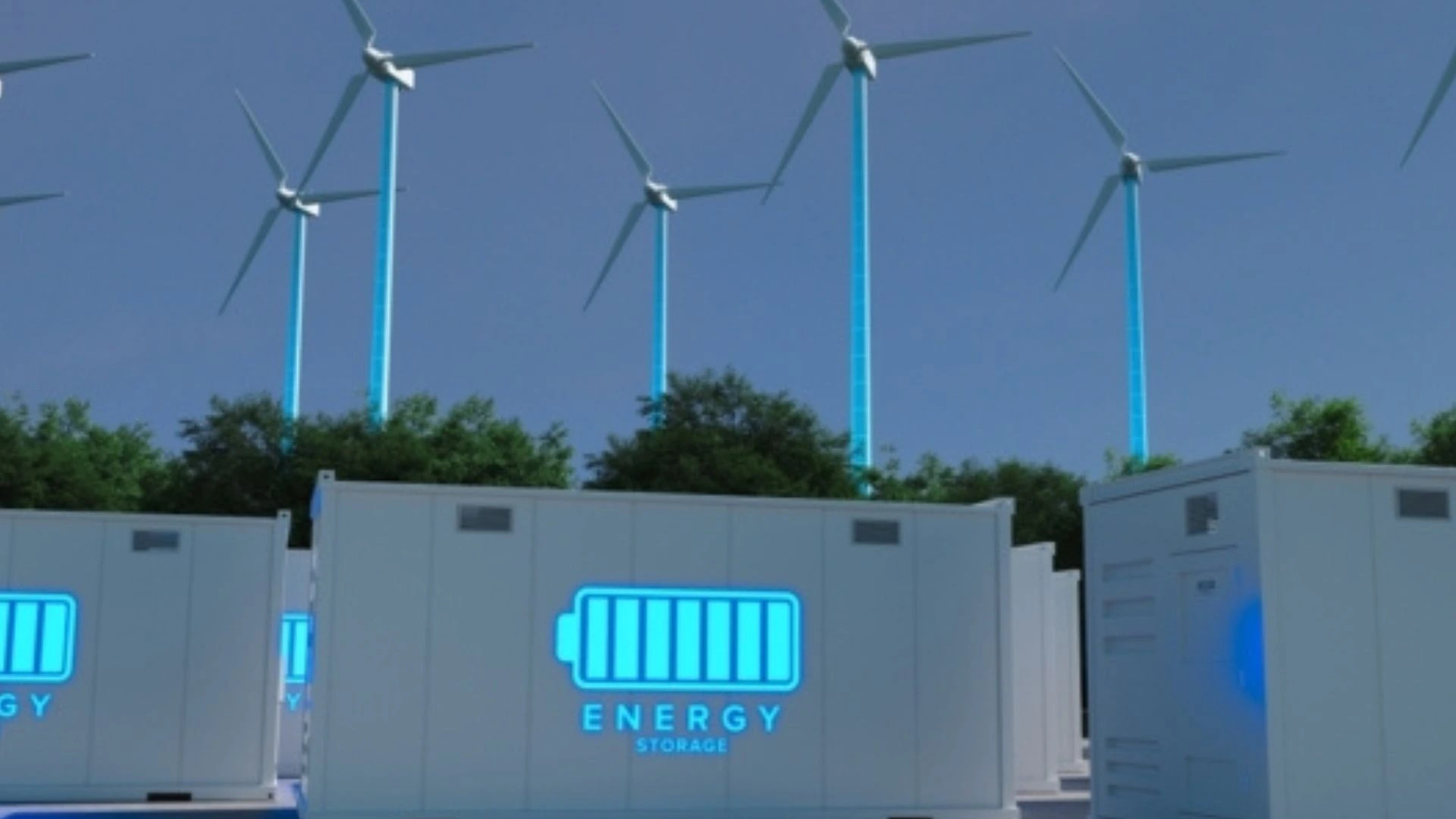
Energy storage systems are critical in today’s power ecosystem. They store excess electricity generated from renewable sources such as solar and wind, provide backup power during outages, and help stabilize electricity grids. Even a single GWh of battery capacity can power approximately 750,000 households for a year, underscoring the impact this expansion could have.
Industry experts say demand is driven not just by clean energy targets but also by the rise of artificial intelligence and data-intensive technologies. These systems require vast and stable energy supplies.
“The boom in artificial intelligence computing is driving demand for renewable energy,” said Davis Zhang from Suzhou Hazardtex. He added that more battery facilities will continue to emerge as countries push for decarbonization.
China already dominates the global ESS battery market. According to SNE Research, Chinese companies account for more than 80% of the sector. Global demand for ESS batteries reached 550 GWh in 2025, a 79% increase from the previous year.
On the domestic front, China is also scaling up quickly. Newly installed battery storage capacity in the country grew by 40% year-on-year to a record 174.2GWh in 2025, according to Benchmark Mineral Intelligence.
However, this rapid growth is not without challenges. Chinese authorities are beginning to step in to prevent overheating in the market. On April 9, four government departments, including the Ministry of Industry and Information Technology, held a meeting to address rising concerns over aggressive competition and price wars.
Officials emphasized the need for better capacity monitoring, more disciplined pricing, and tighter regulatory oversight. The move signals Beijing’s intent to ensure long-term stability in the sector, especially amid persistent deflationary pressures.
Among the many projects announced, CATL stands out with an ambitious plan. The company is investing 20 billion yuan to build a zero-carbon battery production hub in Ningde, located in eastern Fujian province. Construction is set to begin in the second quarter of 2026, with the facility expected to produce up to 200 GWh annually upon operationalization.
CATL continues to dominate the market. Data from SNE Research shows it held a 30% share of the global ESS battery market in 2025. It is followed by Eve Energy, another Shenzhen-based firm, with a 12% share.
Meanwhile, Ganfeng Lithium, the world’s largest lithium metal producer, has forecast explosive growth in the ESS market in 2026. The company attributes this optimism to a global surge in renewable energy projects.
China’s battery exports are also rising rapidly. In the first 11 months of 2025, the country exported 4.25 billion lithium batteries, valued at over $69 billion. This marks a 19.3% increase in volume and a 25.6% jump in value compared to the previous year.
As the world transitions to cleaner energy, China’s aggressive push into battery production is reshaping the global energy landscape. While the US is working to restructure supply chains and reduce reliance on Chinese components, the capacity gap remains significant. China’s strategy is clear: scale fast, invest heavily, and lead the future of energy storage.