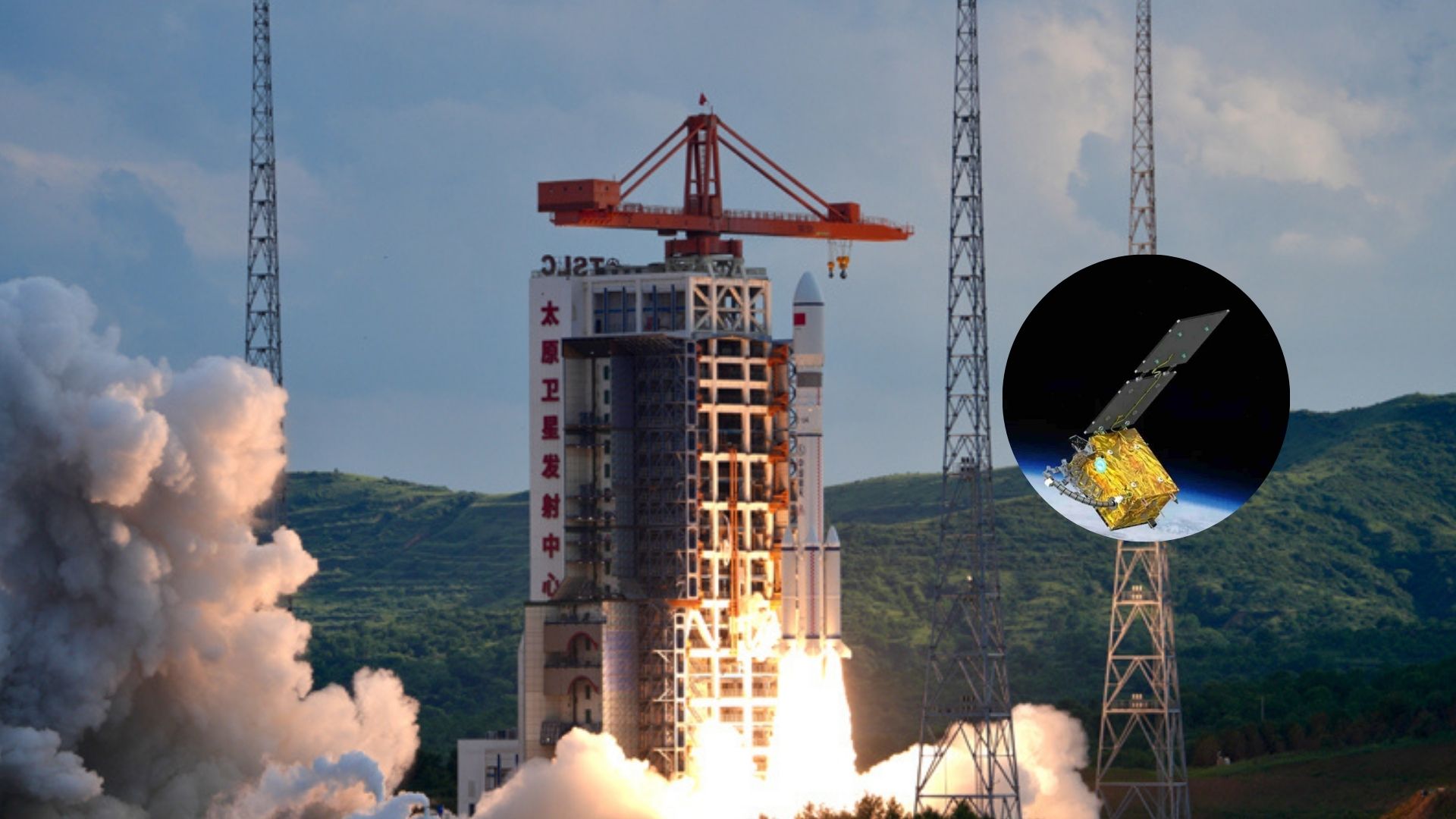
China’s Hukeda-2 satellite has successfully tested an advanced robotic arm for in-orbit refuelling, marking a key step in extending satellite lifespans.
The satellite was launched from Jiuquan in northwestern China. Soon after reaching orbit, it began testing its unique flexible robotic system.
This experiment focuses on one of the biggest challenges in space, extending the life of satellites already in orbit.
Hukeda-2: An ‘Octopus-like’ Robotic Arm
The most striking feature of the satellite is its robotic arm. Engineers have designed it to move like an octopus tentacle. It can bend, twist, and wrap around objects, enabling it to work in tight, complex environments.
At the tip of the arm is a nozzle-like device. This is designed to connect with a target port on another satellite. The system uses a series of connected tubes and cables. Motors pull these cables to control the arm’s movement with high precision.
READ ALSO: This 86-Foot Giant Dinosaur Is Safe, but Its Future Is Hanging by a Thread
The design team said the arm can carefully guide itself into position, even in difficult conditions.
Refuelling a satellite in space is extremely difficult. Both satellites move around Earth at very high speeds, nearly 27,000 kilometres per hour.
To complete a successful connection, the robotic arm must align perfectly with a small port. Even a slight vibration can cause the attempt to fail. Developers compared the task to threading a needle in space.
It is still unclear whether the Hukeda-2 satellite connected with another spacecraft during this test. However, the arm’s successful operation marks important progress.
The project faced several technical difficulties during development. During ground testing, the robotic arm showed unexpected behaviour. In a simulated space environment with extreme temperature changes, the arm began shaking uncontrollably.
Engineers worked quickly to fix the issue. By adjusting the control system, they stabilised the arm within three days.
This improvement allowed the system to perform reliably once it reached space.
According to available data, the satellite orbits Earth at an altitude of approximately 530 to 540 kilometres. It follows a sun-synchronous path, meaning it travels over the same parts of Earth at consistent times.
The project is notable because it was developed outside a traditional state-owned programme. It was jointly developed by research institutions and commercial partners, underscoring the growing role of private players in China’s space efforts.
READ ALSO: A Robot That Never Needs Charging? Meet Cranfield’s 3D-Printed WANDER-bot
Why In-orbit Refuelling Matters
Refuelling satellites in space could transform how space missions are managed. Most satellites stop working once they run out of fuel, even if their systems are still functional.
If refuelling becomes reliable, satellites could stay operational for much longer. This would reduce costs and limit the need for frequent replacements.
It could also support more complex missions, including orbital repairs and upgrades. China has already tested similar ideas. In an earlier mission, one satellite successfully docked with another satellite in high orbit to refuel.
That experiment demonstrated the basic concept. The new test, Hukeda-2, focuses on improving flexibility and precision through advanced robotic systems.
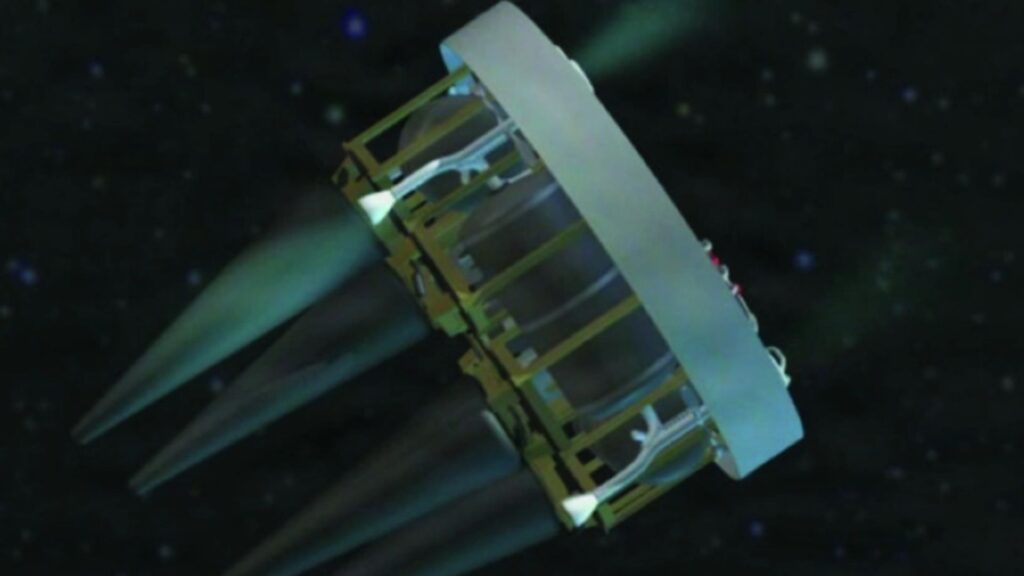
The mission also includes another important feature. The satellite will test a deployable device that increases air resistance.
WATCH ALSO: Top research robot integrated with new intelligence platform
This balloon-like structure can help slow the satellite down once its mission ends. As a result, it will re-enter Earth’s atmosphere more quickly.
This approach could help reduce space debris, a growing concern in crowded orbits. The successful test marks a significant step toward in-orbit servicing. While challenges remain, the technology is moving closer to practical use.
Flexible robotic systems like this could play a key role in the future of space operations. They may allow satellites to be repaired, refuelled, and maintained without returning to Earth. The Hukeda-2 mission shows how innovation is reshaping what is possible in space, one careful move at a time.