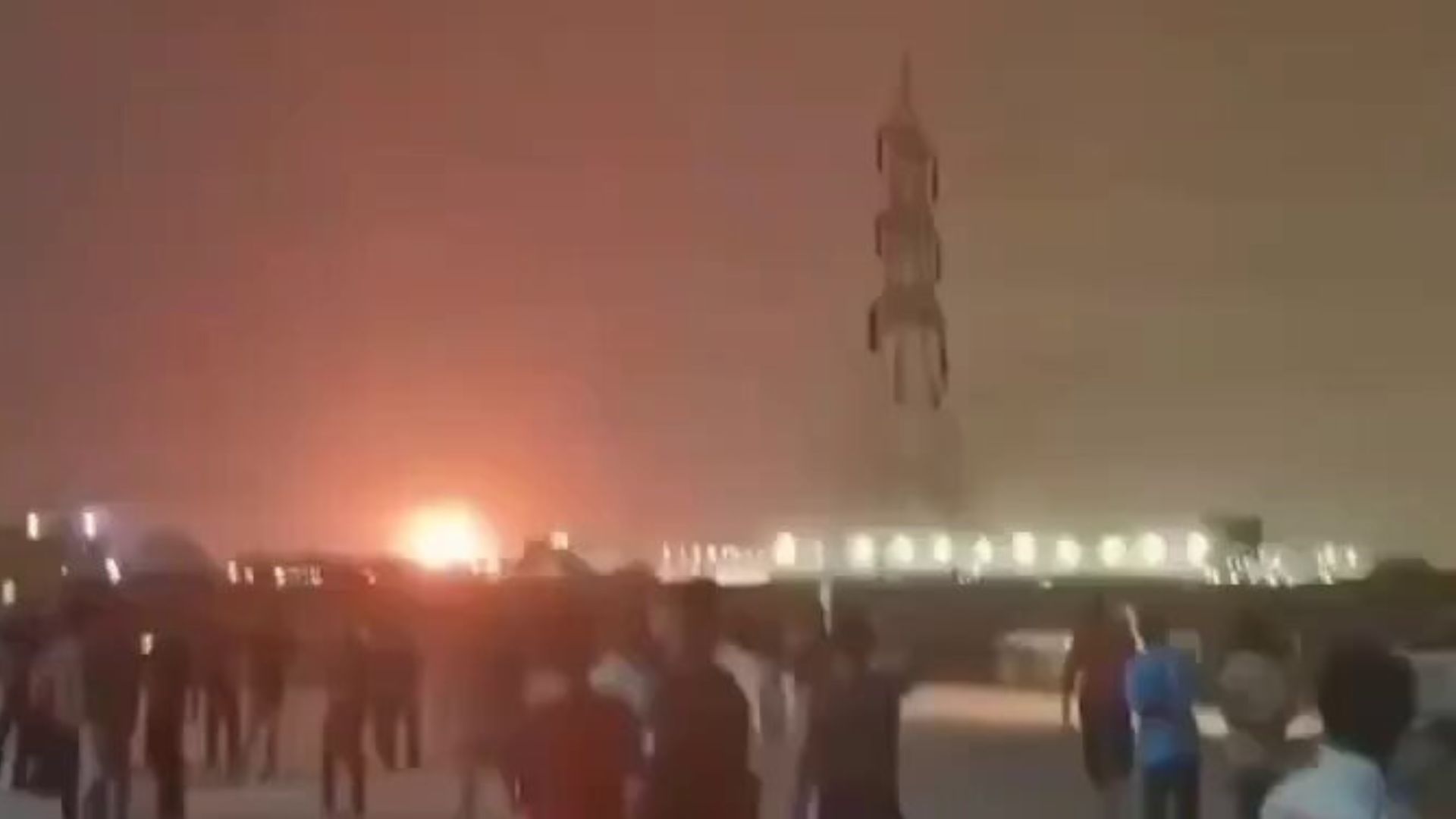
A sharp escalation in Middle East tensions has sent shockwaves through global energy markets after Iran targeted Qatar’s Ras Laffan liquefied natural gas (LNG) facility.
The site is one of the world’s most important gas export hubs, making the attack a major threat to global energy security.
Qatar supplies nearly 20% of the world’s LNG. Any disruption to its output has immediate global consequences. The latest strike is now expected to significantly cut supply, trigger price spikes, and increase economic uncertainty worldwide.
Massive LNG Loss and Long-Term Impact
According to officials, the damage to Ras Laffan is extensive and will not be repaired quickly.
QatarEnergy confirmed that production could drop by 12.8 million tonnes over the next three to five years. This translates to roughly 17% of Qatar’s LNG export capacity being impacted.
READ ALSO: Japan’s Kawasaki EC-2 Aircraft Just Flew, But Its Real Power Is Hidden in Shadows
The financial losses are also severe. Estimates suggest that Qatar could lose close to $20 billion due to reduced output and infrastructure damage. The scale of disruption means global markets may feel the impact for years, not months.
Experts say LNG supply cannot be replaced easily. Alternative producers do not have enough spare capacity to fill the gap immediately, which will likely keep prices high for an extended period.
Trigger: Escalating Iran Conflict
The attack on Qatar came after rising tensions in the region. Iran’s key gas infrastructure, including the massive South Pars gas field, was hit earlier. In response, Iran targeted Ras Laffan, escalating the conflict into a direct threat to global energy flows.
This back-and-forth has raised fears that more energy infrastructure could become targets. If that happens, disruptions could spread further across oil and gas markets.
Iran has also taken steps to secure its own energy needs. It has suspended gas supplies to Iraq, tightening regional supply and adding more pressure on already strained markets.
READ ALSO: Lenovo’s 1000Wh Battery Reveal Signals More Than Just Better Battery Life
Global markets reacted immediately to the news. Oil prices surged sharply, with Brent crude rising above $108 per barrel and touching $119 during trading. Natural gas prices also jumped, particularly in Europe, where dependence on imported LNG is high.
Energy-driven price shocks often lead to wider economic instability, and markets are already pricing in that risk.
The impact of this disruption will not be evenly spread. Countries that rely heavily on imported LNG are the most vulnerable. Major Asian economies such as Japan, India, and South Korea depend heavily on Qatari gas for electricity and industrial use.
In Europe, the UK is particularly exposed due to its reliance on imported natural gas. Any prolonged supply cut could lead to higher energy bills and pressure on industries.
Emerging economies may face even greater challenges. Rising energy costs can weaken currencies, increase inflation, and slow economic growth.
The crisis is not limited to energy alone. The World Trade Organization has warned that rising oil and gas prices could significantly slow global trade growth. It now expects global trade expansion to weaken this year, with the risk of a further decline if energy prices remain elevated.
READ ALSO: YouTuber Built a 3D-Printed Fiberglass Dive Helmet and It Actually Works
WTO Director-General Ngozi Okonjo-Iweala said higher energy costs are also affecting fertilizer production. This could reduce agricultural output and push up global food prices.
Countries such as Thailand, India, and Brazil are particularly at risk due to their dependence on fertilizer imports and energy-intensive agriculture.
WATCH ALSO: China’s military showcases modern battlefield capabilities in new exercise
Iran’s Foreign Minister Abbas Araghchi warned that the country would show “zero restraint” if further attacks occur. This statement signals the risk of continued escalation, BBC reported.
Meanwhile, Donald Trump said efforts are being made to prevent further strikes on energy infrastructure. The US is also exploring options to stabilize oil prices, including easing sanctions and increasing supply.
However, these measures may take time to have an effect. Markets remain nervous, and uncertainty continues to dominate.
A Turning Point for Global Energy
The strike on Qatar’s LNG hub marks a critical moment for the global energy system. With a significant portion of supply disrupted and no quick replacement available, the world is facing rising prices, tighter supply, and economic risks.
If tensions continue or expand, the impact could deepen further. For now, the global economy stands at a fragile point, with energy security once again at the center of geopolitical conflict.